

Frizz-free air drying comes down to four things: a gentle wash, a friction-free towel, a leave-in product applied to damp hair, and then keeping your hands out of it while it dries. Get those right and most hair dries smooth, defined and shiny with no heat at all. Skip one and you tend to end up with a halo.
We talk to New Zealanders about this every week. Most want the same thing: hair that looks good without a 30-minute blow-dry. This guide walks you through the routine, explains why each step matters, and helps you choose products that suit your hair type.
TL;DR
- Frizz control starts in the shower. A hydrating, non-stripping shampoo and a proper conditioner keep the cuticle smooth before drying begins.
- Blot or squeeze with a microfibre towel or an old cotton T-shirt. Rubbing with a standard towel roughens the cuticle.
- Apply a leave-in or air-dry cream to damp (not dripping) hair, then let it dry untouched.
- Brushing or fiddling with hair as it dries is the most common cause of frizz.
- Humid days need a second layer: leave in first, then seal with a light finishing product.
Table of Contents
- Why air drying makes some hair frizzy
- Step 1: Start in the shower
- Step 2: Dry off without roughing it up
- Step 3: Apply a leave-in while the hair is damp
- Step 4: Shape it, then leave it alone
- Air drying in New Zealand weather
- Common air-dry mistakes (and the quick fixes)
- Our view: frizz is a moisture and friction problem
- Build your air-dry routine with ProHair
- FAQ
- Sources
Why air drying makes some hair frizzy
Frizz happens when the outer layer of the hair, the cuticle, lifts and the strand takes on moisture from the air unevenly. Dry, damaged or colour-treated hair has a rougher cuticle, so it grabs onto humidity more easily and swells.
Air drying itself is not the villain. Research on hair fibre mechanics suggests that water lowers the temperature at which hair proteins become flexible, so wet hair can settle into its natural shape without high heat. The same research points out that heat styling above that threshold can cause permanent damage. That is a good argument for air drying, and for doing it well.
The catch is that air drying is not automatically low effort. Celebrity stylist Katelyn Ellsworth makes the point that without the right moisture-locking products, hair left to dry uncontrolled can end up looking more damaged. Think of air drying as a short routine, not as doing nothing.
Step 1: Start in the shower
Stylist Nai’vasha Grace says successful air drying starts with the cleanser. Harsh detergents strip the cuticle, and a stripped cuticle is a frizzy one. A hydrating, gentle shampoo keeps the surface smoother before you’ve touched a styling product.
A few practical points:
- Shampoo the scalp, not the lengths. Suds running down will clean the ends well enough. Rubbing them together tangles and roughens them.
- Condition every wash. Leave it on for the time the label recommends, not the 10 seconds it takes to rinse your face.
- Detangle while the conditioner is in. Use a wide-tooth comb when hair is soaking wet and slippery. This is the only time to comb.
- Rinse with cooler water at the end. It is a comfortable habit rather than a magic fix, and it is nicer on your scalp than hot water.
If your hair is dry or frizzy, look for formulas built around moisture and repair rather than deep cleansing. Our shampoo and conditioner range is organised by hair concern, so you can start with the one that matches yours. If you also colour your hair, choose a colour-safe pairing so the cuticle and the colour both stay put.
Add a weekly mask
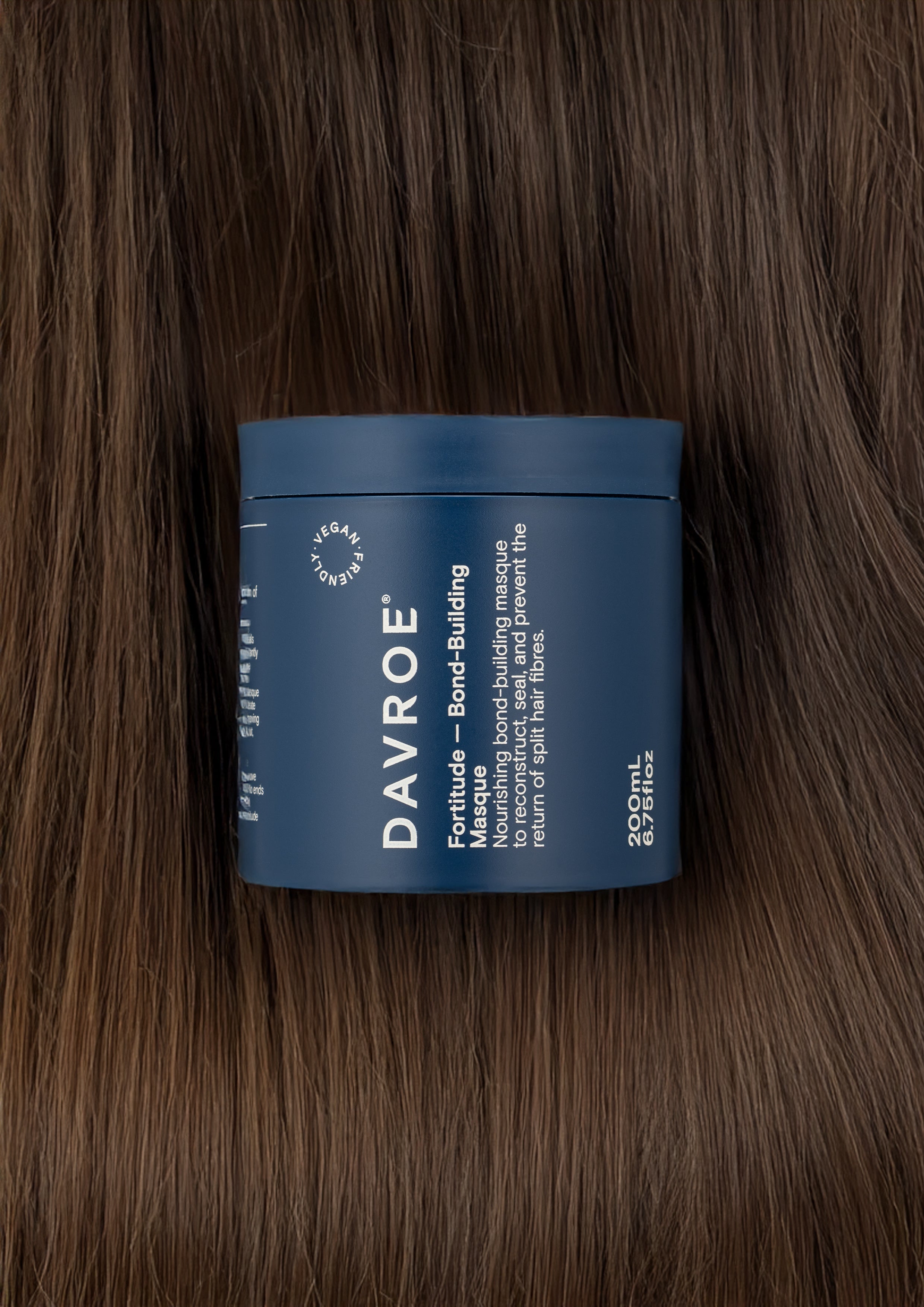
Once a week, swap your conditioner for a mask. Frizz on hair that is damaged from colour, heat or sun is often a repair issue, not a styling issue. Our professional hair masks and repair and hydration treatments are designed for exactly this, and they make every later step easier.

DermNet NZ describes acquired hair damage as often caused by external stress, including excessive combing and the misuse of heat, and recommends gentle hair care. Weekly conditioning and less heat are both part of that.
Step 2: Dry off without roughing it up

This is where many routines fall apart. A standard terry towel creates friction, and friction lifts the cuticle. Allure’s guidance is to use a microfibre towel or an old cotton T-shirt and to blot or squeeze rather than rub.
Here’s how:
- Flip your head forward and gently squeeze the lengths from the ends upward.
- Press the towel against sections of hair for a few seconds, then release.
- Stop when hair stops dripping. It should feel damp, not wrung out.
Damp hair is the right moment for product. Hair that is dripping wet dilutes what you apply, and hair that is nearly dry won’t absorb it evenly. Aim for about 60 to 70 per cent wet, which is a rule of thumb we use rather than a measured figure.
Step 3: Apply a leave-in while the hair is damp
The leave-in is the step that does the most for air-dry frizz control. It coats the strand, smooths the cuticle and slows down how much humidity gets in. How much you need depends on your hair:
| Hair type | What to look for | How much |
|---|---|---|
| Fine or straight | Light cream, spray or lotion that won’t weigh hair down | A small amount, mid-lengths to ends |
| Wavy | Lightweight cream or mousse that supports the wave | Small to medium, scrunched in |
| Curly or coily | Richer cream, often layered with a curl-defining product | Medium to generous, in sections |
| Thick or coarse | Nourishing cream or oil-based leave-in | Generous, worked through in sections |
| Colour-treated | Formulas with colour protection and moisture | Medium, focused on ends |
Apply it from the mid-lengths to the ends, where hair is oldest and driest, and keep it away from the roots unless your hair is very thick. Comb through with your fingers, or with a wide-tooth comb if you are doing it in the shower.
Browse our leave-in hair treatments to find a formula for your hair type. If you want a bit more hold or definition, our styling and finishing products sit on top of a leave-in without a heavy feel.
Don’t apply oil to dripping hair
Oils tend to sit on top of water rather than sink in. If you love an oil or serum, use it on towel-dried hair, or add a few drops once the hair is about 90 per cent dry to seal in smoothness and tame the last flyaways.
A note on hair mists and fragrance
If you like your hair to smell fresh while it dries, choose carefully. Alcohol-heavy perfume sprayed straight on strands can dry them out, which is the opposite of what you want. A product made for hair works better, and this explainer on whether you can spray perfume on hair shows why a hair mist is the gentler way to get fragrance without drying your hair.
Step 4: Shape it, then leave it alone
The most common mistake is touching hair as it dries. Experts note that manipulating damp hair disrupts the cuticle and your natural pattern, which is a quick way to turn smooth hair into frizz. Brushing once hair starts to dry is the worst offender.
To set your shape:
- Straight hair: Part it where you want it, smooth the product through with your hands, and leave it. A loose plait or low bun while damp can add gentle bend, but make sure the tie is soft.
- Wavy hair: Scrunch gently upward after applying product. Then stop. Our wavy hair routine goes into more detail.
- Curly hair: Apply product in sections, scrunch, and resist the urge to separate curls until dry. Our curly hair routine for all curl types covers it.
- Thick, frizzy hair: Work in sections and give it longer to dry. Our 3 step routine for thick, frizzy hair is a good place to start.
If your hair is almost dry and you still see a few frizzy pieces, resist the brush. Smooth a tiny amount of serum or cream between your palms and pat it over the surface.
Air drying in New Zealand weather
Our climate is not always kind to smooth hair. Humid summer days in Auckland and Northland, damp winters in Wellington and the South, and wind everywhere all push frizz in different ways.
- Humid days: Use a two-layer approach. Apply a leave-in first, then seal with a light finishing product. We explain this in our two step fix for frizzy hair in humidity and in the guide to humidity-proof hair that lasts.
- Cold, dry days: Indoor heating strips moisture, so lean on a richer conditioner and a weekly mask. Our winter hair care steps cover this.
- Summer sun and salt: UV and chlorine rough up the cuticle. Rinse after swimming and condition well. See our summer hair care routine.
- Windy days: Air drying outside in a gale tangles hair. Dry mostly indoors, then step out once the surface is set.
Common air-dry mistakes (and the quick fixes)
| Mistake | Why it causes frizz | Fix |
|---|---|---|
| Rubbing with a terry towel | Friction roughens the cuticle | Blot with microfibre or a cotton T-shirt |
| Brushing as hair dries | Breaks up the pattern and lifts the cuticle | Detangle only when wet with conditioner in |
| Skipping product | Nothing smooths or protects the strand | Use a leave-in on damp hair |
| Applying product to dripping hair | Water dilutes it | Towel off first |
| Sleeping on damp hair | Pillow friction and bends | Dry fully first, or use a silk or satin pillowcase |
| Washing with a stripping shampoo | Dries out the cuticle | Switch to a hydrating formula |
If you notice breakage as well as frizz, the cause may be friction or damage. Our guides on hair breakage causes and fine hair breakage can help you work out which.
Our view: frizz is a moisture and friction problem
We supply professional haircare to more than 500 salon accounts across New Zealand, so we hear what stylists tell clients at the basin. The advice barely changes from salon to salon: be gentle, add moisture, and don’t over-handle.
Our view is that most people buy a styling product when they should first fix the base. A smoothing cream on top of a stripped, dry cuticle can only do so much. When we help someone with frizzy hair, we ask three questions. What are you washing with? What are you drying with? And what are you putting on while it is damp?
Often the fix is a gentler shampoo, a different towel and one leave-in used consistently. You don’t need ten products. You need the right three, used the same way every time, so your hair learns to behave.
We also think air drying deserves some honesty. It is great for avoiding heat, and it suits busy mornings, but it asks for a few minutes of care at the start. If you can give it those minutes, the payoff is hair that looks polished all day.
— Burgs
Build your air-dry routine with ProHair
If you’d like salon-grade products that are easy to use at home, we deliver straight to your door across New Zealand, with free shipping on orders over $100. A simple air-dry kit looks like this:
- A hydrating shampoo and conditioner for your hair type
- A leave-in treatment for damp hair
- A finishing product to seal in smoothness on humid days
- A weekly hair mask
You can see everything on prohair.co.nz. Shop now, and let your hair dry the way it wants to.
FAQ
How do I air dry my hair without frizz?
Wash with a hydrating shampoo, condition, then squeeze out water with a microfibre towel or cotton T-shirt. Apply a leave-in cream to damp hair, shape it with your hands, and leave it alone until it is dry. Touching or brushing as it dries is what brings frizz back.
Is it better to let hair air dry naturally?
Often yes, because you avoid high heat, which can damage hair above a certain temperature. It works best with a little product to protect the cuticle. Without it, uncontrolled drying can leave hair frizzy and rough.
Should I put product in wet or dry hair when air drying?
Put creams and leave-ins in damp, towel-dried hair so they spread evenly. Oils and serums work best on towel-dried hair or on hair that is almost dry. Applying them to dripping hair dilutes the effect.
Can I brush my hair while it air dries?
It is best not to. Detangle with a wide-tooth comb in the shower when hair is wet and full of conditioner. After that, limit yourself to gentle scrunching if you have waves or curls.
How long does air drying take?
That depends on thickness, length and the weather. Fine hair may take an hour or so, and thick or long hair can take several. Squeezing out water well and drying in a warm, dry room speeds it up without any heat tools.
Sources
- Application of single hair fibre tensile measurements to create an industry-standard heat damage scale for hair (PubMed)
- 15 Best Air-Dry Hair Products, Tested and Reviewed (Byrdie)
- How To Air-Dry Curly, Wavy And Straight Hair (Forbes Vetted)
- How to Air-Dry Your Hair, the Right Way (Allure)
- Defects of the hair shaft (DermNet NZ)