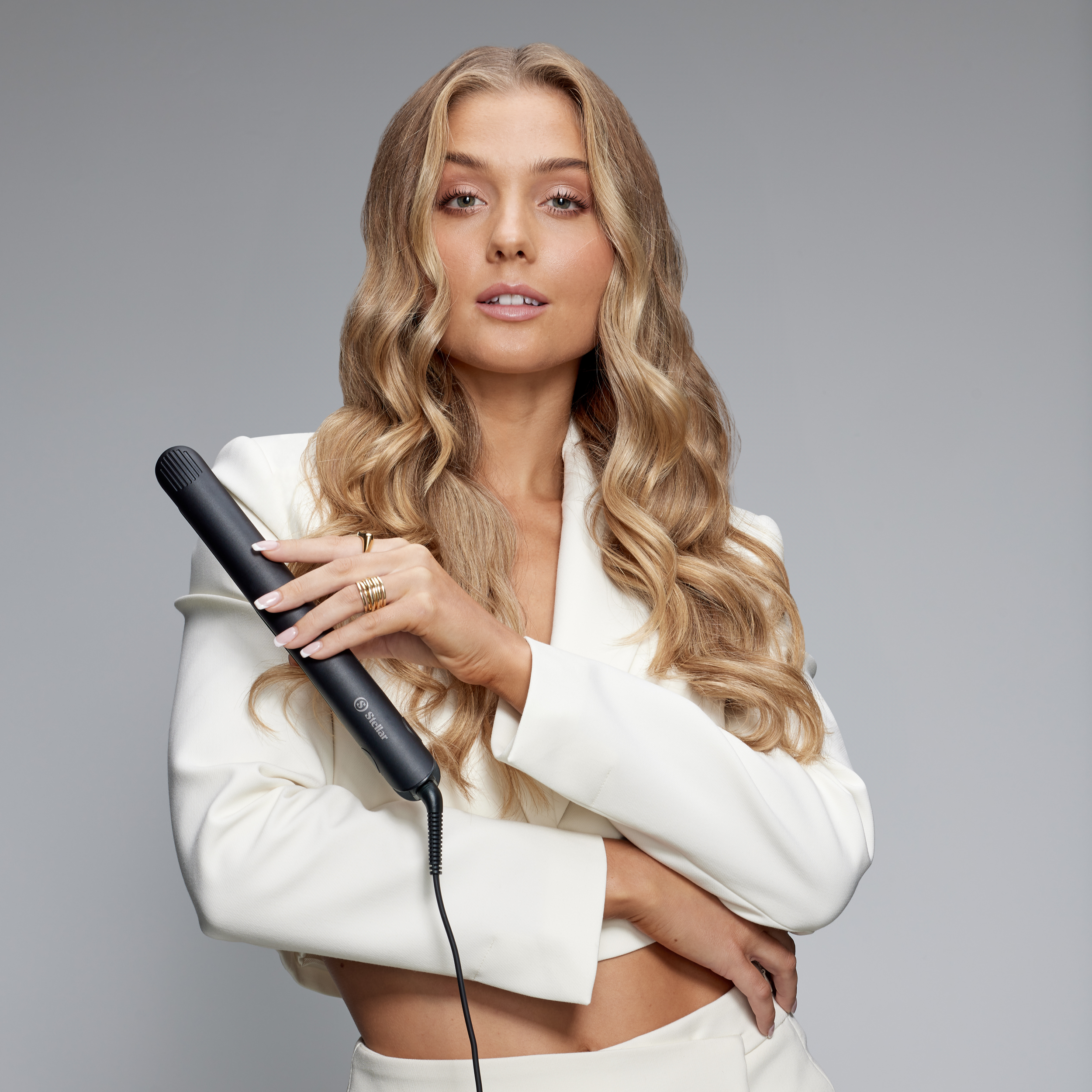

The best wavy hair routine follows one order every wash day: shampoo, apply leave-in on soaking-wet hair, layer a lightweight styling cream or gel, dry by air, diffuser or plopping, then protect your waves overnight. That’s the whole framework. Everything else is fine-tuning.
You can do the active styling part in about five minutes, though total drying time stretches anywhere from 20 minutes with a diffuser to a few hours if you air-dry. The single most important habit, according to Who What Wear’s breakdown of a wavy hair routine, is applying your styling product while hair is still dripping. Wait until it’s half-dry and you’ve missed the window.
Here’s the checklist to run through on wash day:
- Wash with a hydrating, sulfate-free shampoo (skip to clarifying only when needed)
- Condition mid-length to ends, then rinse
- Apply leave-in treatment to soaking-wet hair
- Layer a lightweight cream or gel and scrunch upward
- Dry using air-dry, plopping or a diffuser
- Refresh and protect waves before bed
Quick stat: editors who trimmed their routine down to a handful of targeted, lightweight products and focused on scrunching technique reported getting frizz-free definition in as little as five minutes of active styling time. You don’t need a ten-step process. You need the right five steps, done in the right order, with products like Prohair’s salon-grade range built for wavy textures.
Key Takeaways
A frizz-free wavy hair routine works because it applies leave-in and styling product to soaking-wet hair, in a consistent order, every wash day.
| Point | Details |
|---|---|
| Follow the fixed order | Wash, leave-in on soaking-wet hair, styling cream or gel, dry, then refresh or protect overnight. |
| Time it right | Apply styling products while hair is soaking-wet, not towel-dried, to lock in moisture and definition. |
| Wash two to three times weekly | Most wavy hair types hold shape better with less frequent washing and occasional co-washing. |
| Diagnose before you buy more | Frizz usually means dry hair needing moisture, not more styling product. |
| Start with Prohair’s core set | Davroe and KOBO shampoos, conditioners and leave-ins from Prohair cover fine to thick wavy textures in one shop-ready routine. |
Table of Contents
- Wash day: choosing the right shampoo and conditioner for wavy hair
- How do you apply leave-in treatment without disrupting your waves?
- Which styling products work best for wavy hair: cream, gel or serum?
- Air-dry, plop or diffuse: which drying method suits your waves?
- How do you refresh wavy hair and protect it overnight?
- Why do wavy hair routines fail: frizz, limp waves and build-up
- Matching products to your porosity, thickness and hold needs
- A shop-ready wavy hair routine using Prohair’s range
- What do stylists and the research actually agree on?
- How often should you wash or co-wash wavy hair?
- Sources
- FAQ
Wash day: choosing the right shampoo and conditioner for wavy hair
Wavy hair sits in an odd middle ground. It’s not oily like straight hair, and it’s not thirsty like tight curls, so the shampoo you choose has to hydrate without stripping your natural wave pattern flat.
A hydrating, sulfate-free formula is the safest daily choice for most wave types. Sulfates can strip the light oils your scalp naturally produces, which are exactly what help waves clump instead of frizz. The Davroe Moisture Senses Shampoo is built for this, delivering moisture without the heavy residue that flattens looser 2A waves.
Clarifying shampoo has its place, but it’s a once-in-a-while tool, not a wash-day default. Use one when you notice a waxy film on strands, waves refusing to hold shape even with fresh product, or a dulling that a regular wash won’t shift. That’s usually silicone or styling-product build-up talking, not a moisture problem.
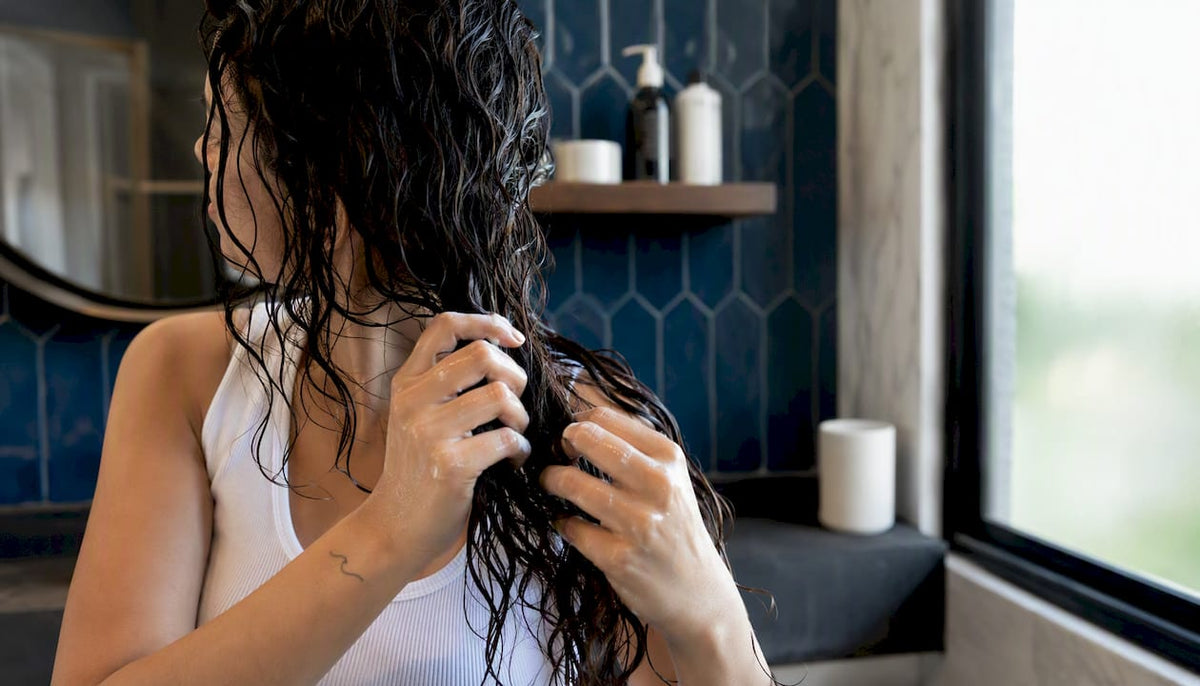
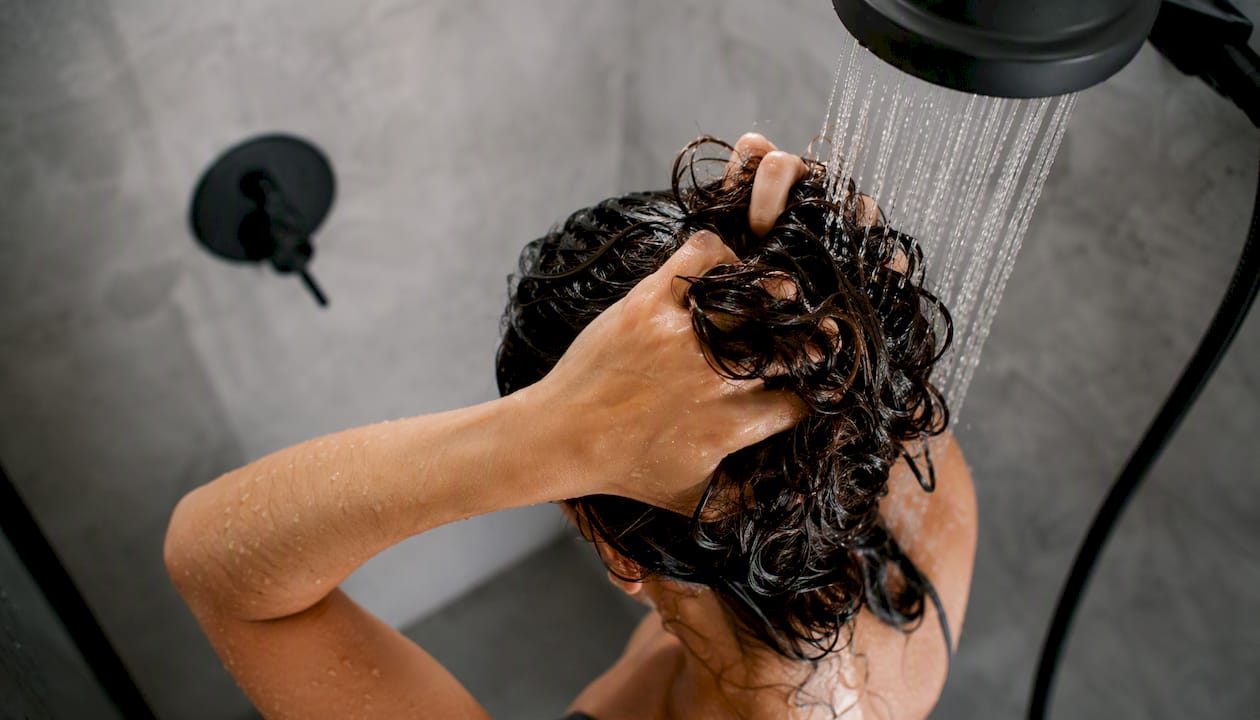
Conditioner strategy matters just as much as shampoo choice. Apply it from mid-length to ends and keep it away from your roots if your waves are fine. Roots weighed down with conditioner lose volume fast. A warm rinse helps the conditioner do its job, then a cooler final rinse can help smooth the hair cuticle before you style.
Try the squish-to-condish method while conditioner is still in: gently scrunch handfuls of hair upward toward your scalp. This is a technique stylists borrowed from the Curly Girl Method, and it works because it physically encourages wave clumps to form during the rinse phase rather than leaving you to fight for definition later with product alone.
Once a week, swap your regular conditioner for a deep-conditioning treatment like Davroe CURLiCUE Deep Conditioning Rinse. Leave it on for five to ten minutes. Weekly deep conditioning tends to improve elasticity and cut down frizz for most wave types, especially if your hair leans dry or is coloured.
Pro Tip: Detangle in the shower while conditioner is still in your hair, using fingers first and a wide-tooth comb only if you hit real knots. Detangling dry hair, or after conditioner has rinsed out, tears through wave clumps you’ve just spent five minutes forming.
Once you’re out of the shower, skip the terry towel. A microfibre towel or an old cotton T-shirt creates far less friction, which means less frizz before you’ve even reached for a styling product.
How do you apply leave-in treatment without disrupting your waves?
Timing decides whether your leave-in actually works. Apply it while hair is soaking-wet, not towel-dried, not damp. Wet hair’s cuticle is open and receptive, so the leave-in distributes evenly and locks in moisture that would otherwise evaporate. This single habit is the difference between defined waves and frizzy ones more than any specific product you buy.
Here’s the method, step by step:
- Flip your head forward and gently squeeze excess water out with your microfibre towel or T-shirt.
- Section your hair into two to four parts, depending on thickness.
- Pump your leave-in into your palms, rub your hands together, and smooth it through one section at a time.
- Finger-comb or run a wide-tooth comb through each section to distribute the product evenly.
- Flip your head back and check for any dry patches, especially near the crown.
If your waves are fine, start with a pea-sized amount of something light, like Davroe Luxe Leave-In Masque, and build from there. Thicker waves usually need a bigger dose, closer to a two-coin-sized amount, and can handle richer formulas without going limp.
Struggling with dry, split, or frizzy ends specifically? Davroe Ends Repair Leave-In Treatment targets that zone without adding weight through your mid-lengths.
Pro Tip: Always start with less than you think you need. You can layer more product onto damp hair in thirty seconds, but scraping out excess leave-in from styled waves means starting the whole routine over.
Which styling products work best for wavy hair: cream, gel or serum?
Three product families do different jobs, and knowing which one your waves need stops you wasting money on the wrong texture. Lightweight creams add moisture and soft hold. Gels and mousses add stronger hold and help define individual wave clumps. Serums and finishing oils add shine and smooth flyaways at the very end.
Fine, 2A waves usually do best with a cream-only approach, or a cream plus a small amount of gel scrunched through just the ends. Heavy gels on fine hair tend to separate strands rather than clump them, leaving waves looking stringy instead of defined. Medium 2B waves generally handle a cream-and-gel combination well, while thicker 2C waves often need the stronger hold of a gel to stop waves from relaxing out by midday.
Layering order matters. Moisture-first products go on before hold products, because a gel applied to dry-ish hair just sits on top rather than sinking in. Apply your leave-in, then your cream, then your gel if you’re using one, all while hair is still very wet.
The application technique itself makes as much difference as the product. Smooth product downward through each section first, using flat palms, almost like you’re praying with your hands around the hair. Then scrunch upward from the ends toward the scalp to encourage clumping. Some stylists call this the “prayer hands and scrunch” combo, and it’s the closest thing to a universal technique across wave types.
“Heavy gels can weigh down and separate loose, S-shaped waves. Lightweight styling creams tend to suit wavy textures far better, because they hold the clump without flattening it,” according to stylist guidance summarised by Vogue’s wavy hair routine breakdown.
If you want more hold without the heaviness, Davroe CURLiCUE Curl Gel is worth testing in small amounts on your ends first, building up rather than applying it all at once through the whole head.
Pro Tip: Test a new styling product on one section of hair for a full wash cycle before committing your whole head to it. This tells you whether it’s too heavy for your wave type without wasting a full application.
Air-dry, plop or diffuse: which drying method suits your waves?
None of these three methods is universally “best.” Each suits a different wave type, time budget and desired look, so picking the right one comes down to matching the method to your hair rather than following a trend.
| Drying method | Best for | Hold vs weight | When to use |
|---|---|---|---|
| Air-dry | Fine to medium waves (2A–2B) | Softer hold, more natural movement | When you have hours to spare and want low-effort volume |
| Plopping | Medium to thick waves (2B–2C) | Moderate hold, encourages tighter clumps | Quicker air-dry with more definition than a plain air-dry |
| Diffusing | All wave types, especially thick 2C | Strongest hold if using gel, adds volume | Time-poor mornings or when you want maximum definition |
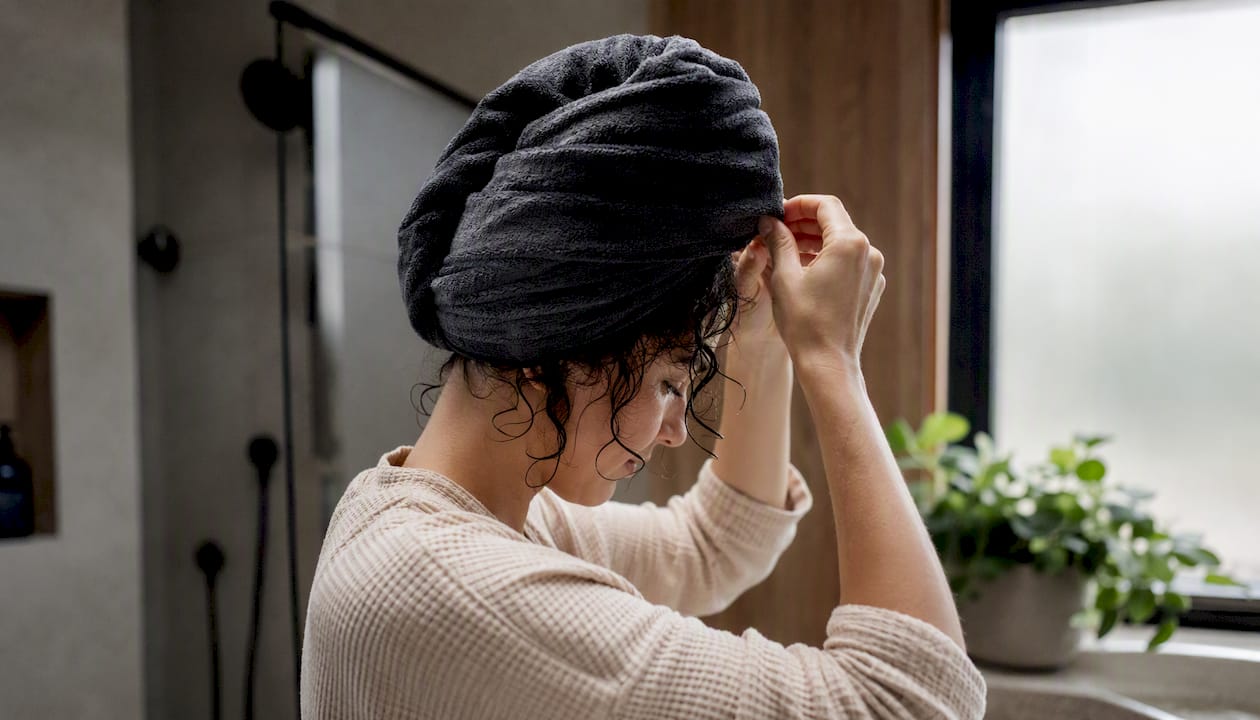
Plopping means wrapping soaking-wet, product-layered hair up in a microfibre towel or T-shirt on top of your head for 10 to 20 minutes. It speeds up drying while helping waves clump tighter than a straight air-dry would. A Davroe CURLiCUE Rapid Dry Hair Wrap is purpose-built for this, cutting drying time without the friction a regular towel causes.
Diffusing works best on a low heat, low airflow setting, cupping sections of hair upward into the diffuser bowl rather than blasting air downward, which causes frizz. Start at the ends and work up toward the roots.
If you’ve used a gel, you’ll form what stylists call a “cast,” a slightly crunchy outer layer that locks the wave shape in place while it dries. Once hair is completely dry, scrunch the cast out gently with your hands to release soft, natural-looking movement without losing definition.
Pro Tip: Never break the cast while hair is still even slightly damp. Waves need to be bone-dry before you scrunch out the crunch, or you’ll deflate the shape you just spent twenty minutes building.
How do you refresh wavy hair and protect it overnight?
Second-day waves don’t have to mean a rewash. A light mist of water, a small amount of leave-in or styling cream rubbed between your palms, and a scrunch upward through the mid-lengths and ends is usually enough to reform clumps that have loosened overnight.
Protecting your waves while you sleep is what determines how much refresh work you need in the morning. A few options work well depending on your hair length and how much time you have:
- Pineapple your hair by gathering it loosely on top of your head with a soft scrunchie, leaving the waves hanging free rather than compressed.
- Try loose braids or twists if you have longer hair, which spreads pressure across strands instead of concentrating it at one point like a high ponytail does.
- Sleep on a silk or satin pillowcase, or wrap your hair in a silk or satin scarf, since cotton pulls moisture out and roughs up the cuticle.
- For quick naps or shorter styling windows, a microfibre wrap protects waves without the full pineapple setup.
A tiny amount of finishing oil, like Davroe CURLiCUE Hydrating Hair Oil, smoothed over your palms and lightly pressed onto the surface of dry waves before bed adds shine and tames flyaways without weighing hair down. A drop or two is plenty; more than that and you’ll wake up with limp, oily-looking sections.
How do you know whether to refresh or rewash? If your waves have lost their shape but still feel clean, refresh. If there’s visible product build-up, your scalp feels oily, or a refresh mist just isn’t reviving the clumps anymore, it’s wash day.
Why do wavy hair routines fail: frizz, limp waves and build-up
Most wavy hair problems trace back to one of four causes, and each one has a specific, testable fix rather than a vague “use more product” answer.
Frizz usually means your cuticle is lifted and searching for moisture. It’s tempting to reach for more gel, but that often makes frizz worse by adding weight without addressing the dryness underneath. Pro hairstylists consistently point to richer conditioners or hydrating leave-ins as the actual fix, not extra styling product.
Limp waves almost always come down to product weight, particularly conditioner or cream applied too close to the roots. Fine 2A waves are especially vulnerable here. Pull conditioner back to mid-lengths only, and switch to a lighter cream if you’re currently using a rich, thick one.
Weighed-down lengths often show up months after a good routine started working, and they’re usually a sign your ends need a trim. Product can only do so much if your ends are split or thinning out; no leave-in will restore shape to hair that’s structurally damaged.
Product build-up shows up as dullness, a waxy feel, or waves that simply won’t respond to fresh product no matter how much you apply. This is where a clarifying shampoo earns its place, roughly once every four to six washes if you use a lot of styling product, or less often if you keep your routine light.
A rough porosity test helps here too. Drop a clean strand of hair in a glass of water. If it sinks fast, you likely have high porosity and can handle richer conditioners and oils. If it floats for a long while, you’re probably low porosity and need lighter, humectant-based products that won’t sit on top of the strand unabsorbed.
“When curls or waves look dry or lifeless, it’s a moisture issue nine times out of ten, not a hold issue,” according to guidance from hairstylists cited in Glamour’s wavy hair styling guide.
Pro Tip: Cycle clarifying and hydrating treatments rather than picking one and sticking with it forever. Clarify when you notice build-up, then follow immediately with a deep-conditioning mask to replace the moisture the clarifying shampoo stripped away.
Matching products to your porosity, thickness and hold needs
Porosity decides how your hair absorbs and holds moisture, and getting this wrong is why so many wavy hair routines feel like guesswork. Low porosity hair has tightly packed cuticles that resist moisture getting in, so heavy oils and butters tend to sit on the surface instead of absorbing, leaving waves greasy rather than defined. High porosity hair has raised or gapped cuticles that let moisture in easily but lose it just as fast, which usually calls for richer conditioners and sealing oils to lock hydration in.
Thickness adds a second layer to the decision. Fine waves need lightweight everything: lightweight leave-in, lightweight cream, minimal gel. Thick waves can carry more weight without going limp, and often need it to hold a wave shape through the day.
Watch for humectants like glycerin in your ingredient list if you’re low porosity and in a humid climate; they can overload already-moisture-resistant hair and cause frizz rather than fixing it. Film-forming ingredients in gels help with hold and definition but can build up fast on fine hair, so alternate with a lighter cream-only wash day if you notice waves getting weighed down over a week.
| Porosity | Best product types | Rinse and leave-in strategy |
|---|---|---|
| Low | Lightweight creams, water-based leave-ins | Warm rinse to open cuticle slightly, light leave-in only |
| Normal | Balanced cream and gel combination | Standard rinse, moderate leave-in amount |
| High | Rich conditioners, sealing oils, heavier creams | Cooler final rinse to help seal moisture, generous leave-in |
If you’re unsure of your porosity, the float test mentioned earlier is a fast way to check without buying anything.
A shop-ready wavy hair routine using Prohair’s range
If you want a routine you can put together in one order today, this is the shortest path to defined waves using Prohair’s salon-grade products.
- Shampoo: Davroe Moisture Senses Shampoo for hydration without weight, or KOBO Curl Defining Shampoo if you want a formula built specifically for wave and curl definition.
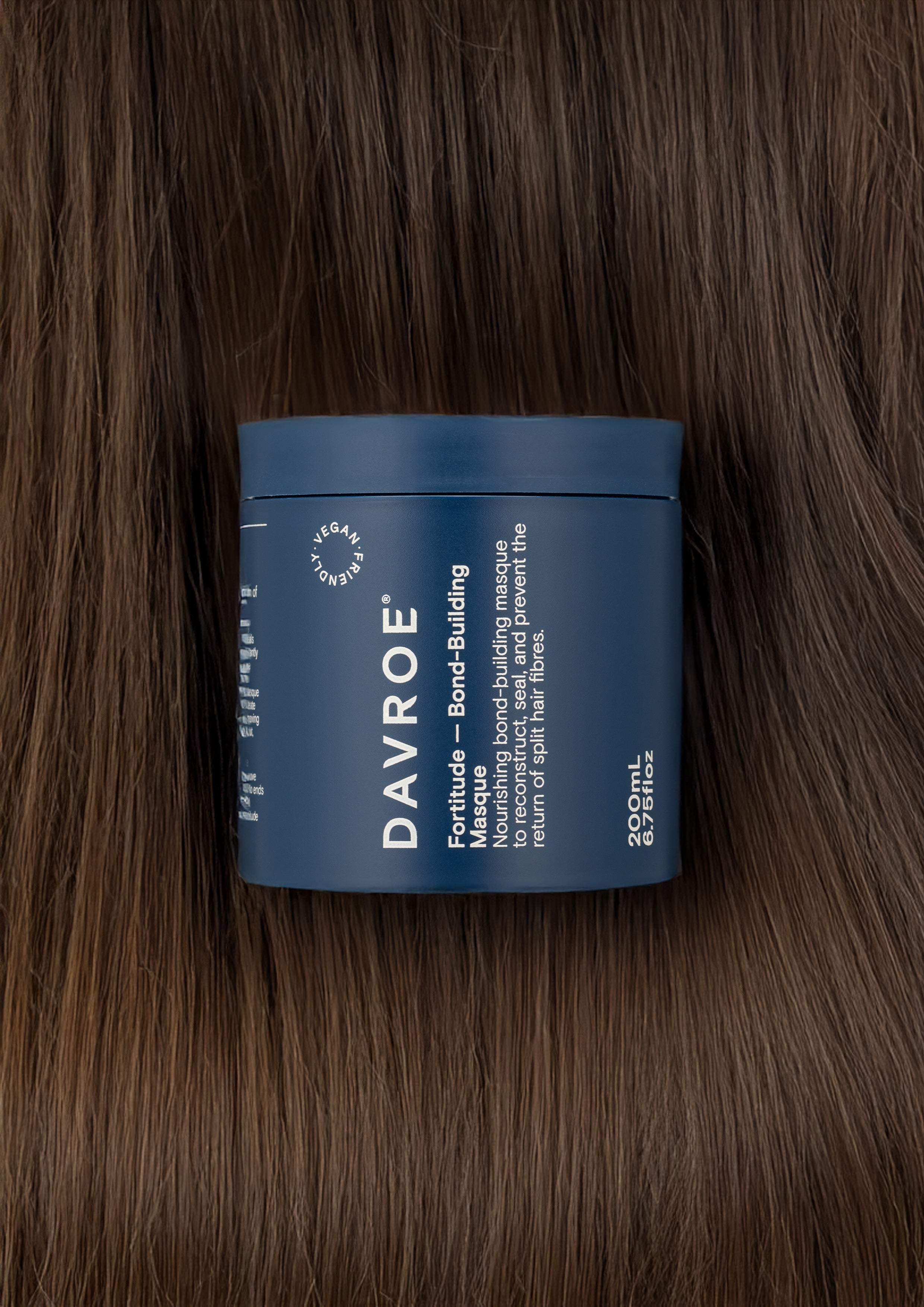
- Conditioner: KOBO Moisture Repairing Conditioner applied mid-length to ends, or Davroe CURLiCUE Deep Conditioning Rinse once weekly for a deeper treatment.
- Leave-in: Davroe Ends Repair Leave-In Treatment on soaking-wet hair, or Davroe Luxe Leave-In Masque if your waves lean dry.
- Styling cream or gel: Davroe Curl Crème Definer for fine to medium waves, Davroe CURLiCUE Curl Gel layered on top for thicker waves needing more hold.
- Finishing oil: Davroe CURLiCUE Hydrating Hair Oil once hair is dry, for shine and smoothing.
- Drying aid: Davroe CURLiCUE Rapid Dry Hair Wrap for plopping.
On the clock, that’s roughly: shampoo and squish-to-condish conditioner (5 minutes in the shower), leave-in and styling product application on soaking-wet hair (5 minutes), plop with the rapid dry wrap (15 minutes), then air-dry or diffuse the rest of the way (20 minutes to a few hours depending on method).
Fine waves generally do best sticking to the cream, skipping the gel, and using the leave-in masque rather than the ends repair treatment. Thicker waves can layer the full set without risk of limpness. Stock levels shift, so it’s worth checking availability before you plan a wash day around a specific product.
What do stylists and the research actually agree on?
Cut through the noise of wavy hair advice online and you’ll find most experts converge on the same handful of techniques, while everything else is personal preference dressed up as a rule.
Stylists broadly agree the Curly Girl Method needs adapting for waves, not adopting wholesale. Waves don’t need the same heavy, silicone-free intensity that tight curls do; they need lighter products and gentler handling. Squish-to-condish during the conditioning step and scrunching during styling are the two techniques that show up across nearly every professional’s routine, regardless of which specific products they recommend.
On the research side, two habits have the strongest consensus: applying styling product to soaking-wet hair, and washing two to three times a week for most wavy hair types rather than daily. Both show up consistently across editorial guides and stylist interviews alike, which is rare for haircare advice.
“Editors who reduced their routine to fewer steps and focused on the timing of product application, rather than adding more products, reported faster and more reliable results across different wave subtypes,” according to Marie Claire’s five-minute wavy hair routine.
Everything past those two habits, exact product brand, exact gel-to-cream ratio, exact overnight protection method, is genuinely down to your individual hair and what fits your morning.
How often should you wash or co-wash wavy hair?
Two to three times a week is the range that suits most wavy hair types, balancing scalp health against the natural oils that help waves clump and hold shape. Wash more often than that and you risk stripping the light oils your scalp produces, which are part of what gives waves their natural definition in the first place.
Co-washing, using conditioner only on non-shampoo days, can extend the gap between full washes if your scalp doesn’t run oily and your styling products aren’t heavy. It’s a reasonable middle step for 2A and 2B waves that don’t need a full shampoo every second or third day but still want the squish-to-condish clumping benefit.
Thicker 2C waves, or waves that run naturally drier, sometimes stretch to twice a week comfortably. Finer waves with an oilier scalp might sit closer to three times a week. There’s no single number that fits everyone, but this range is where most wavy hair care guidance consistently lands, and it’s a solid starting point to adjust from based on how your scalp and waves respond over a couple of weeks.
Why a short, repeatable routine beats a long product list
The instinct when waves aren’t cooperating is to buy another product. A new mousse, a different oil, a serum someone recommended online. We think that instinct is usually wrong, and it’s backed by what actually works: editors who stripped their routines down to a handful of targeted products and nailed the timing got better results than those running ten-step regimens.
A short routine is also easier to troubleshoot. If you’re using five products in a specific order, you can swap one at a time and see what changes. If you’re using twelve, you have no idea what’s actually causing the frizz or the limpness. Change one variable, wait a full wash cycle or two, then judge.
That patience matters more than people expect. Waves don’t respond overnight to a new leave-in or a different drying method. Give any change two to three wash cycles before deciding it isn’t working, because hair needs time to shed whatever build-up or habit the old routine left behind.
Prohair supplies salon-grade formulas trusted by professional stylists across hundreds of salon accounts, which is a reasonable basis for trusting the products in a routine like this one, without needing to chase down every ingredient list yourself.
Where to find the products in this routine
Everything in the routine above sits on Prohair’s online store, built specifically to bring salon-grade formulas into your bathroom without a trip to a hairdresser.
Prohair’s range is trusted across more than 500 salon accounts throughout New Zealand, which means the shampoos, conditioners and styling products in this guide are the same professional formulas stylists use behind the chair, not a diluted retail version. If frizz or product build-up has been the recurring issue, start with KOBO Moisture Repairing Shampoo and its matching conditioner, or move straight to the curl-specific KOBO range if definition is your main goal.
Orders over $100 ship free, so a full wash-day set (shampoo, conditioner, leave-in, styling cream and finishing oil) typically clears that threshold in one go. Head to the Prohair shop to check current stock on the products covered in this guide and put together your own version of the routine.
Sources
- How to care for wavy hair: Beginner’s routine (CareAboutYourHair)
- The ultimate wavy hair routine, according to the pros | Vogue
- How to style wavy hair, according to pro hairstylists | Glamour
- A Beauty Editor’s Simple 4‑Step Wavy‑Hair Routine | Who What Wear
- My 5‑Minute wavy hair routine for frizz‑free definition | Marie Claire
FAQ
What is the perfect hair routine for wavy hair?
A hydrating shampoo and conditioner, leave-in applied to soaking-wet hair, a lightweight cream or gel scrunched through, then air-drying, plopping or diffusing, followed by overnight protection. Products like Prohair’s Davroe and KOBO ranges cover each step for most wave types.
What order should I do my wavy hair routine?
Shampoo, condition, apply leave-in to soaking-wet hair, layer styling cream then gel if using one, dry using your chosen method, and finish with a small amount of oil once hair is dry. Skipping the soaking-wet timing on leave-in is the most common order mistake.
What are common mistakes in wavy hair care?
The biggest mistakes are applying styling product to half-dry hair instead of soaking-wet hair, using heavy gels or conditioners too close to the roots on fine waves, and reaching for more product when frizz actually signals a need for moisture.
How do I bring out my natural wavy hair?
Wash two to three times a week, use squish-to-condish while rinsing conditioner, apply your leave-in and styling product while hair is still dripping, then scrunch upward while drying to encourage clump formation rather than separation.
How often should I wash wavy hair?
Two to three times a week suits most wavy hair types, since washing more often can strip the natural oils that help waves hold their shape. Co-washing with conditioner only on off days can extend that gap for many wave types.