
The most reliable hair porosity test combines a shower absorption check with a slide test on clean, product-free hair, not a single glass-of-water trick. Start by clarifying your hair. Residue and buildup skew every test that follows.
- Fastest test right now: wet a clean strand and watch how quickly it absorbs.
- Quick read: water beads off (low), soaks in steadily (medium), vanishes almost instantly (high).
- Next step: match your result to a routine, not a label.
Cosmetic scientists like Lab Muffin Beauty Science have flagged the float test as unreliable, while Dyson’s hair science team ties porosity directly to cuticle condition.
Key Takeaways
Behaviour-based checks like the shower and slide test give a more reliable porosity read than the float test, and the result should drive product choice.
| Point | Details |
|---|---|
| Clarify before testing | Wash out residue and let hair air-dry so results reflect the true cuticle, not leftover product. |
| Run two tests minimum | Pair the shower absorption test with the slide test rather than relying on the float test alone. |
| Match care to the level | Low porosity needs lightweight hydration and clarifying, high porosity needs sealing and protein. |
| Retest periodically, such as every several months | Colour, heat, and sun exposure shift porosity, especially after chemical services. |
| Shop by porosity with Prohair | Prohair maps salon-grade products, including KOBO PEPTIDEPRO Repair Hair Oil, to each porosity level. |
Table of Contents
- How to do a hair porosity test step by step
- What do low, medium and high porosity results actually mean?
- Hair care based on porosity: what to actually use
- When should you retest your hair porosity?
- Which ProHair products match your porosity level?
- Sources
- FAQ
How to do a hair porosity test step by step
Wash with a clarifying shampoo first and let hair air-dry without any styling product. Oils, silicones, and leave-ins create a false barrier that makes hair seem less porous than it is, a point Lab Muffin’s breakdown of home testing makes repeatedly. Skipping this step is the single biggest reason people get confusing or contradictory results.
Run these three checks in order:
- Shower or spray test. Mist a clean, dry section with water and watch closely. Beading and rolling off means low porosity. Water soaking in steadily over a few seconds signals medium porosity. Water vanishing almost the instant it lands points to high porosity, a pattern confirmed by HairstyleMojo’s testing guide.
- Slide or strand test. Take one strand between two fingers and slide from tip to root. A smooth, glassy feel means the cuticle sits flat and tight. Bumps, snags, or a rough texture mean the cuticle is lifted or damaged.
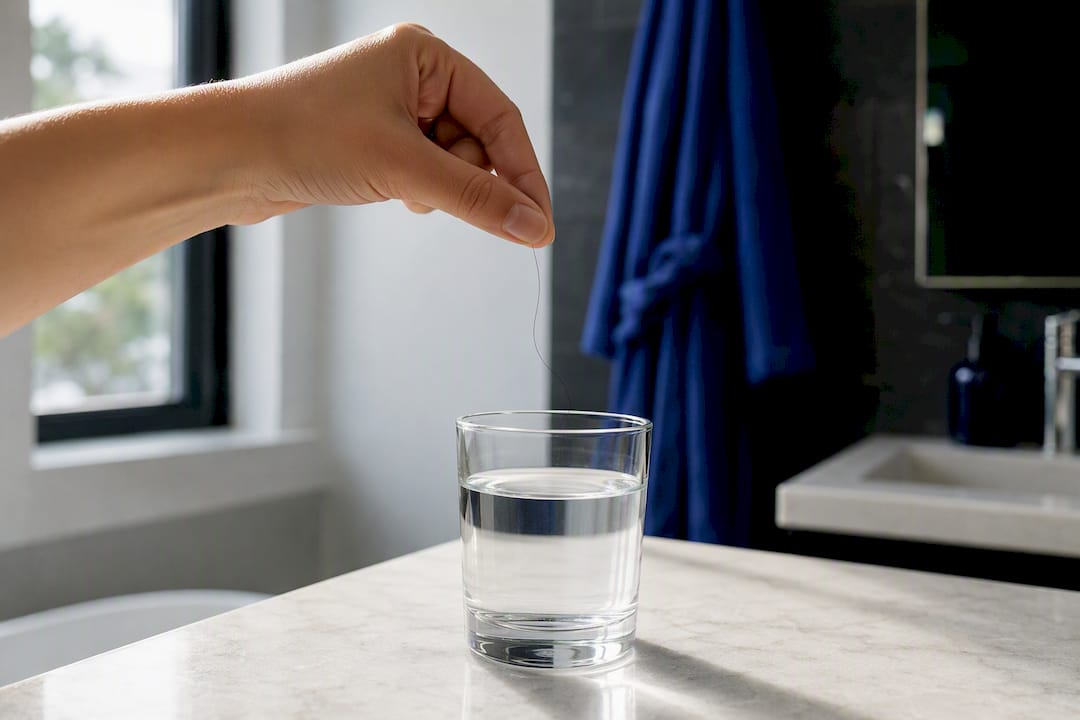
- Float test (optional, use with caution). Drop a clean strand into a glass of room-temperature water and wait several minutes. Floating suggests low porosity, sinking suggests high. Treat this one as a rough guide only. Strand thickness, leftover oil, and surface tension all distort the result, which is exactly why HairstyleMojo’s tools page warns against relying on it alone.
Test two or three sections across your head, not just one strand near the front, since porosity often varies from crown to ends.
Pro Tip: Run the spray test and slide test on the same clarified strand, back to back. If they agree, trust the result. If they don’t, you likely have mixed porosity and need a section-by-section routine.
What do low, medium and high porosity results actually mean?
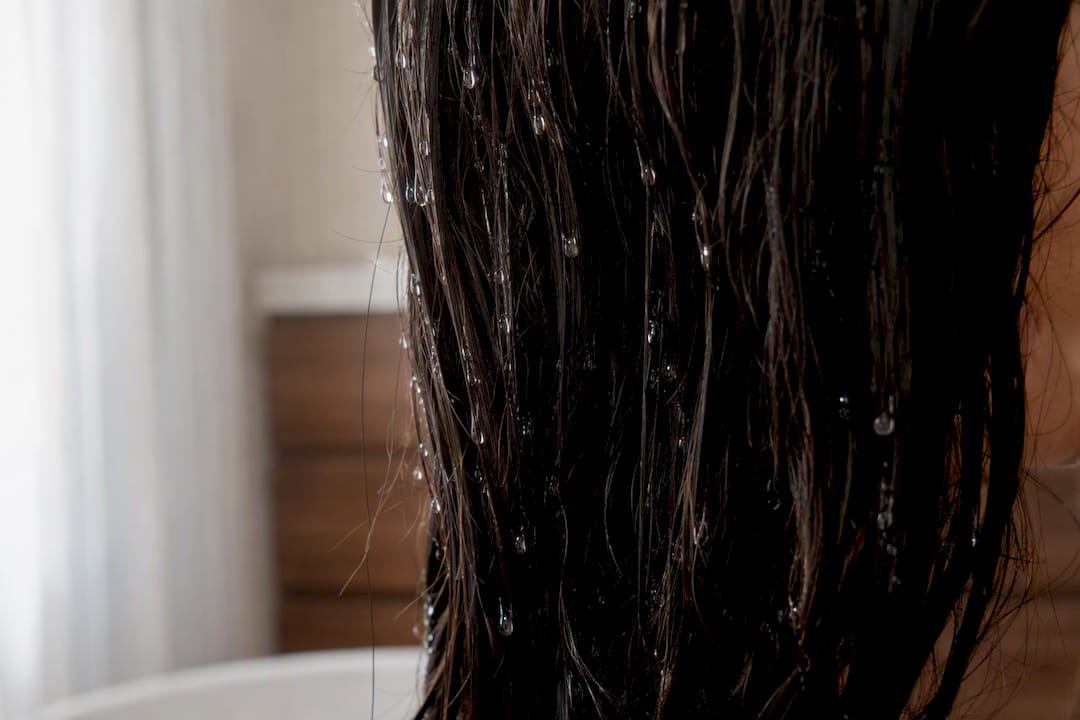
Low porosity hair has a tight, flat cuticle that resists moisture getting in and keeps it locked out just as stubbornly. It takes longer to get wet in the shower, dries slowly, and often looks greasy fast because product sits on top rather than absorbing.
Medium porosity sits in the balanced middle. The cuticle lies moderately flat, moisture moves in and out at a manageable rate, and hair generally holds colour and style well without much fuss. This is the band most stylists consider easiest to maintain, according to Dyson’s porosity research, though “easiest” doesn’t mean it stays that way forever.
High porosity hair has a lifted or damaged cuticle. It soaks up water almost instantly, dries fast, but loses that moisture just as quickly, leaving hair prone to frizz, fading colour, and a rougher slide-test feel.
- Low signs: slow to wet, slow to dry, product sits on the surface.
- Medium signs: wets and dries at a steady, predictable pace.
- High signs: wets instantly, dries fast, colour fades quicker than expected.
Don’t be surprised if your crown reads differently to your ends. Mixed porosity is common, especially where heat or colour has only touched certain sections.
Hair care based on porosity: what to actually use
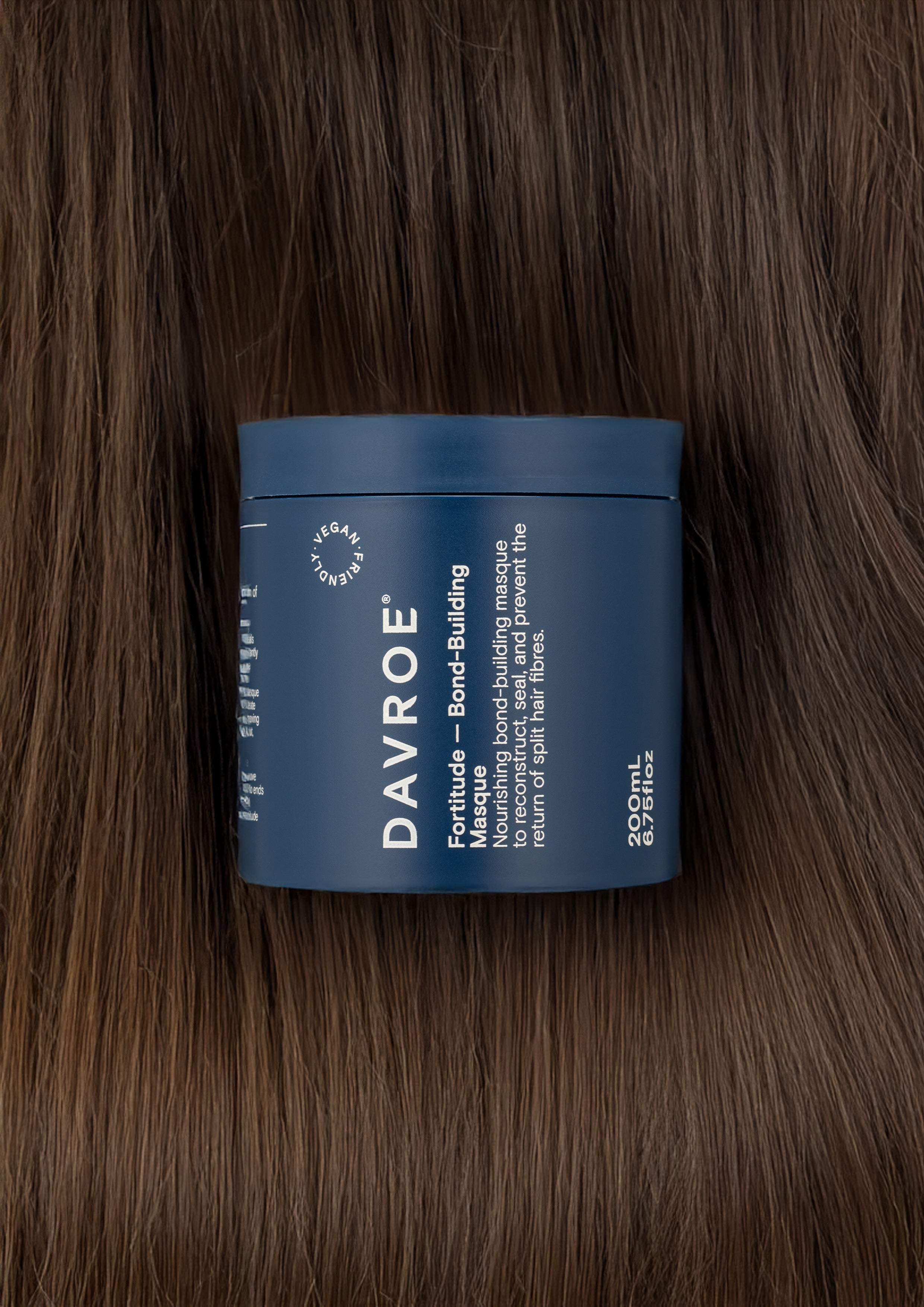
Low porosity hair needs help getting moisture in, not more product sitting on top of it. Clarify weekly or fortnightly to prevent buildup, choose lightweight, water-based formulas, and apply conditioner with a little gentle heat or steam to help the cuticle lift enough to absorb. The Clarify Deep Cleansing Shampoo works well as that reset step, paired with something light like Davroe CURLiCUE Hydrating Hair Oil rather than a heavy butter-based oil.
Medium porosity hair mostly needs maintenance, not correction. Alternate humectants like glycerin with light emollients to keep the balance you already have, and don’t overload with protein treatments you don’t need.
High porosity hair needs sealing and rebuilding. Use a leave-in before any oil, follow with a lightweight sealant, and bring in protein treatments periodically rather than constantly. KOBO PEPTIDEPRO Repair Hair Oil is built for exactly this, smoothing the lifted cuticle and slowing moisture loss on damaged lengths.
- Humectants (glycerin, honey): great in humid climates, can backfire in very dry air by pulling moisture back out.
- Emollients (light oils): seal moisture in after water-based products, not before.
- Proteins: help high porosity rebuild structure, but overuse on low porosity hair makes it feel stiff.
Pro Tip: Apply products thinnest to thickest, leave-in, then oil, then any cream. High porosity hair rewards layering; low porosity hair usually just needs less.
When should you retest your hair porosity?
Porosity isn’t fixed. Colour, bleach, heat styling, and sun exposure all lift the cuticle over time, which is why HairstyleMojo notes it’s worth retesting regularly and always after a major chemical service.
See a stylist if your results keep contradicting each other, you’re planning bleach or a perm, or breakage won’t stop despite a solid routine. A salon can use trichoscopy or microscopy for a proper read when a spray test isn’t cutting it.
- Bring photos of your hair in different states (wet, dry, styled).
- Note your last colour or heat service date.
- Share your at-home test results so they’re not starting from scratch.
Which ProHair products match your porosity level?
Once you know your porosity, product choice stops being guesswork. For low porosity, start with the Clarify Deep Cleansing Shampoo to prevent buildup, then follow with Davroe CURLiCUE Hydrating Hair Oil for lightweight shine without weighing hair down.
For medium porosity, a balanced masque like the Davroe Luxe Leave-In Masque keeps things steady without overcorrecting.
For high porosity, pair KOBO PEPTIDEPRO Repair Hair Oil with the Rebuilder Protein Hair Rebuilder for structural repair, used sparingly rather than every wash.
- Wash with a porosity-matched shampoo.
- Condition and detangle.
- Apply leave-in, then oil, then style.
Prohair’s formulas are trusted by more than 500 salon accounts, which means the guidance behind these product pairings has already been tested at a professional level, not just written up for a blog.
Why behaviour beats a single trick
Porosity sits on a spectrum, and it shifts with colour, heat, and sun exposure. Testing, watching how your hair actually behaves, and adjusting beats chasing one fixed label every time.
Get the right products for your porosity, sorted
There’s no need to guess your way through a shelf of haircare when your test results already point somewhere specific. Prohair stocks the exact products named in this guide, from the Clarify Deep Cleansing Shampoo for low porosity resets to KOBO PEPTIDEPRO Repair Hair Oil for high porosity repair, all salon-grade and delivered straight to your door.
If your results came back mixed, Prohair’s team can help you build a routine that treats your crown differently to your ends rather than forcing one product to do everything. Orders over $100 ship free, so it’s easy to stock a full routine in one go. Head to Prohair to shop the range or ask a question about your specific result.
Sources
These sources back the testing methods and interpretation used throughout this guide.
- What Hair Porosity Do You Have?
- Porosity hair test (HairstyleMojo learn)
- Hair porosity tests are a lie | Lab Muffin Beauty Science
At-home tests are a strong starting point, but they can’t replace a proper trichoscopy check if your hair keeps behaving unpredictably.
FAQ
Is it better to have high or low porosity hair?
Neither is inherently better. Each needs different management: low porosity benefits from clarifying and lightweight hydration, while high porosity needs sealing and protein support, as Lab Muffin’s analysis points out.
Is low porosity hair oily or dry?
Low porosity hair often looks oily on the surface because product sits on top rather than absorbing, even though the strand itself is usually moisture-starved underneath.
What are signs of high porosity hair?
High porosity hair absorbs water almost instantly, dries fast, feels rough or bumpy on a slide test, and tends to lose colour and moisture quickly.
Which hair porosity is good?
Medium porosity is generally considered the easiest to maintain because it holds moisture and colour more predictably, according to Dyson’s research, though it still needs a consistent routine to stay that way.