
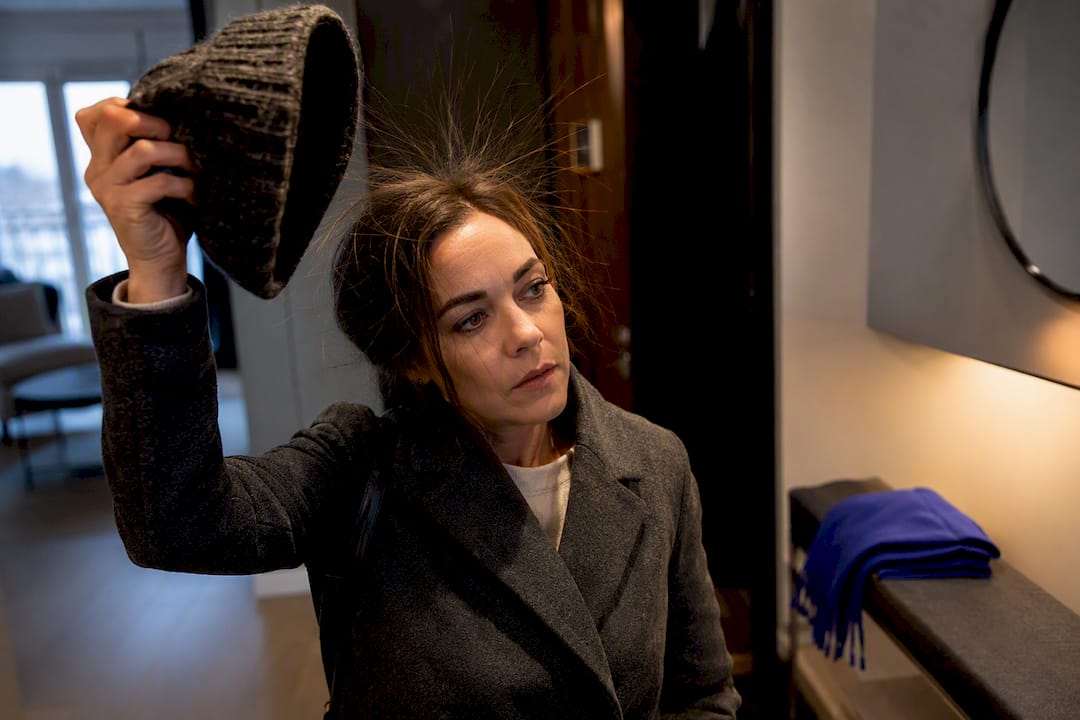
Static in winter comes from dry air combined with friction. Fixing it means putting moisture back into your hair and neutralising the electrical charge before it builds. Do this now: mist your hair lightly with water or a leave-in spray, run a dryer sheet over the ends, and smooth a tiny dab of hand cream over any flyaways. That buys you time while you sort out a proper winter routine.
TL;DR:
- Moisturizing the hair regularly with leave-in treatments and weekly masks helps build resilience against static caused by winter dryness.
- Switching to natural brushes, silk accessories, and ionically charged styling tools significantly reduces friction and static buildup.
- Quick fixes like misting with water, running a dryer sheet over hair, or applying hand cream provide immediate relief during emergencies.
- For persistent static, damage to the cuticle from chemical treatments or overprocessing may be the root cause, requiring specialized repair treatments.
- Maintaining daily habits such as using a humidifier, avoiding excessive heat styling, and handling hair gently prevents static from becoming a long-term issue.
Table of Contents
- Why hair gets static in winter (simple science you can use)
- Quick fixes you can do right now to kill static
- A winter hair routine to prevent static (daily, weekly and on-the-go)
- Tools, fabrics and accessories that stop static before it starts
- When static is a sign of damage — how to repair and when to see a pro
- Expert note from ProHair and practical proof points
- A stylist’s morning and evening checklist to stop static
- ProHair product picks for winter static
- Sources
- FAQ
Why hair gets static in winter (simple science you can use)
Static hair is really a physics problem wearing a beauty problem’s clothes. When two different materials rub together, electrons jump from one surface to the other. Hair loses electrons to a wool jumper or a synthetic beanie lining, ends up positively charged, and every strand starts pushing away from every other strand, because like charges repel. That’s the triboelectric effect, and it’s happening on your head every time you pull off a hat.
In summer, this barely registers. Moisture in the air acts like a tiny conductor, letting that charge drain away almost as fast as it builds. Winter changes the equation entirely. Cold outdoor air holds less moisture to begin with, and then indoor heating dries it out further, so you’re often living in air with a fraction of the relative humidity your hair is used to. Marie Claire points to this combination of indoor heating and low humidity as the reason static peaks so hard between June and September in cooler climates. Without moisture in the air to bleed off the charge, it just sits there, and your hair stands up to prove it.
Friction is the delivery mechanism, and winter gives it plenty of opportunities:
- Wool and acrylic beanies rubbing against the hair shaft every time you put one on or take it off
- Synthetic scarves and jumper collars brushing against hair as you move through the day
- Plastic hairbrushes and combs, which hold onto charge instead of letting it disperse
- Towel-drying with rough terry cotton, especially rubbing rather than patting
Not everyone reacts the same way, either. Fine hair has less mass per strand, so the same charge makes it move more dramatically than coarse hair. Colour-treated and chemically processed hair tends to have a rougher, more porous cuticle, which means more surface area for friction to grab onto and less natural oil to counteract it. If you’ve noticed your hair got noticeably staticker after your last colour appointment or keratin treatment, that’s not a coincidence. Damaged cuticles simply have more to grip.
Quick fixes you can do right now to kill static
When you need to walk out the door in the next five minutes and your hair looks like it’s trying to escape your scalp, reach for whatever’s closest. None of these require a special purchase, and most work within seconds.
- Dampen your hands or mist your hair. Water conducts electricity, so even a light spritz from a spray bottle or a swipe of damp hands over the surface temporarily gives the charge somewhere to go. Hello! Magazine notes this works because moisture briefly restores hair’s conductivity, letting the charge dissipate instead of clinging to individual strands.
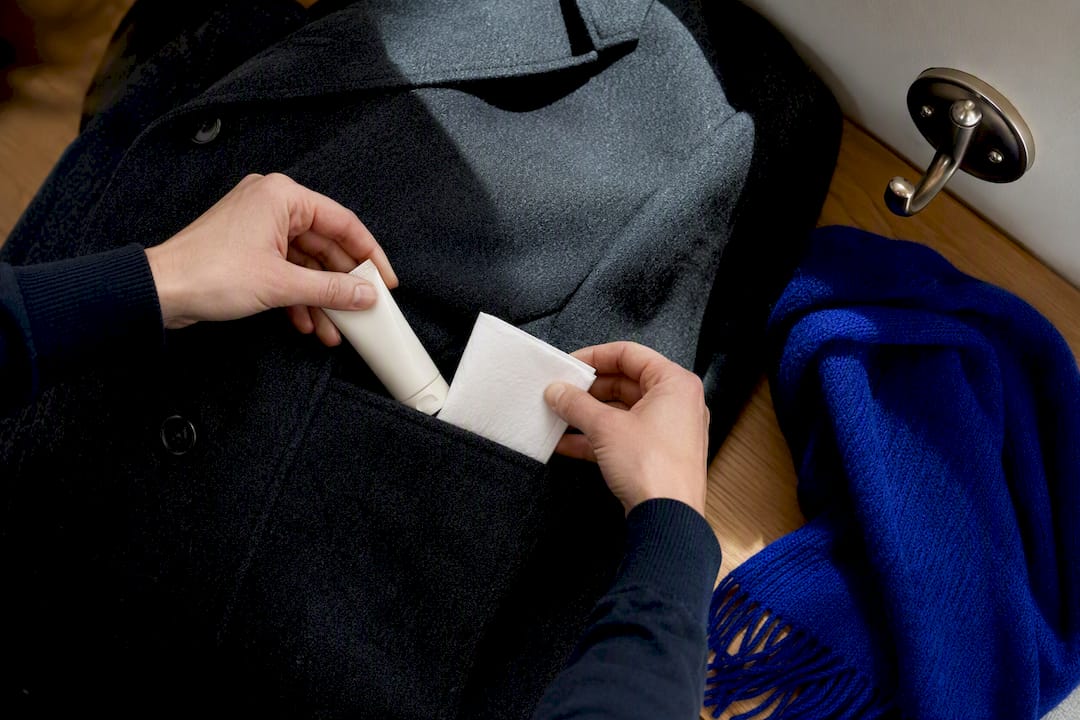
- Run a dryer sheet over your hair. Dryer sheets are coated in a mild anti-static compound designed to stop clothes clinging together in the dryer, and the same chemistry works on hair. Glide it lightly over the surface, not through every strand, and skip this one if your hair is already looking a bit dull or waxy. Too much and you’ll trade static for a filmy residue that dulls shine over a few uses.
- Smooth a pea-sized amount of hand cream over your palms, then over your hair. This is the low-effort trick most people already have in their bag. Rub it between your palms first so you’re not depositing a visible blob, then skim your hands over the top layer and any flyaways near your part.
- Spray your brush, not your hair. A light mist of anti-static spray or hairspray on the bristles, rather than directly onto your scalp, gives you the smoothing effect without soaking your roots or weighing down volume. Glamour recommends this exact swap for stylists dealing with static backstage between shows.
- Dab a lightweight oil or serum onto the ends only. A drop worked between your fingertips and pressed onto the last few centimetres seals the cuticle and adds a finishing layer of shine without making your roots greasy.
If none of that is within reach, try repositioning your part or shaking your hair out from a different angle. Areas that have been compressed under a hat for hours often carry more charge than the rest, and changing the parting exposes fresh strands that haven’t been rubbed raw all day.
Pro Tip: Keep a small tube of hand cream and a folded dryer sheet in your coat pocket or bag during winter. Static tends to strike right before meetings or photos, and having both on hand means you’re never caught out.
A winter hair routine to prevent static (daily, weekly and on-the-go)
Quick fixes solve the emergency. A proper routine stops the emergency from happening in the first place, and that comes down to keeping moisture in your hair faster than winter air can pull it out.
Daily habits worth keeping
Washing your hair every single day strips the natural oils that would otherwise coat the cuticle and block friction. Most hair types cope better with washing every second or third day through winter, using a cool or lukewarm water rinse rather than hot. Hot water opens the cuticle and lets moisture escape faster once you step out of the shower; cool water helps it lie flat, which is exactly what you want when static is the enemy.
Apply a leave-in treatment to damp hair, focusing on the mid-lengths and ends where dryness shows up first. A product like the Davroe Luxe Leave-In Masque works well here because it’s designed to stay in rather than rinse out, giving your hair a slow-release layer of hydration through the day.
Weekly deep conditioning
Once a week, swap your regular conditioner for a proper mask. Healthline recommends stepping up to weekly deep-conditioning through the cold months specifically because it rebuilds the moisture reserve that daily conditioner alone can’t replace. Look for ingredients like shea butter, glycerin, or plant oils, which sit on the hair shaft and slow down moisture loss rather than just detangling. The Davroe MCT Moisture Conditioning Treatment fits this weekly slot well, and for curlier textures, the Davroe CURLiCUE Deep Conditioning Rinse is worth building into the same weekly habit.
Stylists consistently point to cuticle protection as the single biggest lever for reducing static long term. Hydrating, smoothing ingredients that lie flat against the cuticle do more for static prevention than any single spray, according to the same Marie Claire advice that flags low humidity as static’s main trigger.
Adjust what you’re styling with
Volumising mousses and dry shampoos are brilliant in summer and genuinely counterproductive in winter, because they’re formulated to add lift and texture, which usually means stripping moisture and roughing up the cuticle slightly. Swap to smoothing serums, creamy styling balms, or anti-frizz sprays instead. Allure backs anti-static oils and leave-ins as the product categories that actually address the problem, rather than masking it for an hour.
Watch your indoor environment
A humidifier in your bedroom or main living space raises the moisture in the air you’re breathing and the air your hair sits in overnight, which directly reduces static buildup. If a humidifier isn’t practical, at least avoid drying your hair directly in front of a heater vent, and try not to crank indoor heating higher than you need.
Adjust for your hair type
- Fine hair: use leave-in treatments sparingly. Too much weight flattens fine strands, so a light mist rather than a cream-based product usually works better.
- Curly or coily hair: these textures often need more product, not less, because the curl pattern itself creates more surface area and more friction points.
- Colour-treated hair: prioritise bond-repair and moisture together, since colour processing already compromises the cuticle before winter even starts.
- Damaged or over-processed hair: lean on weekly masks and richer leave-ins, and expect to need more frequent treatment than someone with virgin hair.
Tools, fabrics and accessories that stop static before it starts
Some of the most effective static fixes have nothing to do with what you put on your hair, and everything to do with what your hair touches.
- Swap plastic brushes for boar-bristle or wooden ones. Boar bristles distribute your scalp’s natural oils down the length of the hair shaft, which smooths the cuticle and cuts down on the friction that generates a charge in the first place. A natural boar-bristle brush does this in a way a plastic paddle brush simply can’t.
- Use metal combs for detangling. Metal doesn’t hold onto charge the way plastic does, so it’s a small swap with an outsized effect on frizz-prone days.
- Line hats and hoods with silk or satin, or switch materials entirely. Wool and synthetic linings are some of the worst static generators around. Adding a thin silk layer underneath a beanie, or sleeping on a silk pillowcase instead of cotton, cuts friction significantly overnight and under hats. Glamour’s stylists flag exactly this swap as one of the easiest wins available.
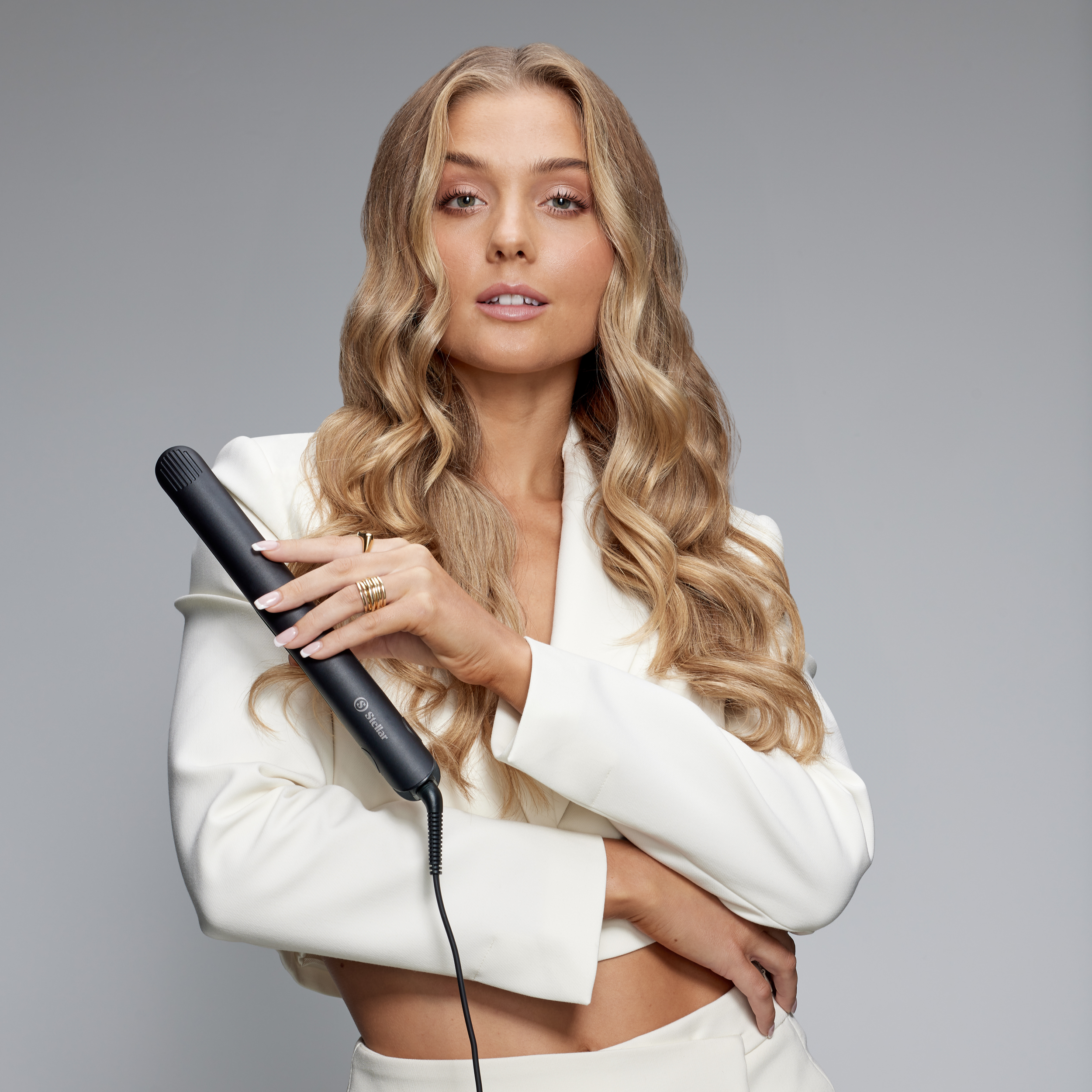
- Choose ionic or tourmaline styling tools if you blow-dry or straighten often. These tools release negative ions during use, which helps neutralise the positive charge building up as you style, according to product research from Allure.
- When shopping for anti-static sprays, check for silicone-derived smoothing agents or humectants like glycerin. These are the ingredients doing the actual work; a spray that’s mostly alcohol or fragrance will smell nice and do very little for static.
When static is a sign of damage — how to repair and when to see a pro
Occasional static in dry weather is normal. Static that won’t quit despite a solid routine, hydration, and the right tools is telling you something else is going on.
Damaged cuticles are rougher at a microscopic level, which means more surface area for friction to catch on and more static as a result. Watch for these signs that you’re dealing with damage rather than simple seasonal dryness:
- Breakage or split ends that keep reappearing within weeks of a trim
- Hair that feels rough or straw-like even right after conditioning
- Extreme porosity, where hair soaks up product fast but seems to dry out again just as quickly
- Flyaways that persist even after a full moisture routine, hats or not
If that sounds familiar, a bond-building treatment or protein reconstructor is worth introducing. These work differently to a standard mask, rebuilding structural bonds inside the hair rather than just coating the outside. Using one every 4 to 6 weeks, alongside your regular routine, gives compromised hair a real chance to recover. Marie Claire’s advice on salon triage suggests exactly this window before assuming the problem is purely environmental.
Pro Tip: If you’ve upped your hydration, switched brushes, and added a weekly mask and the static still hasn’t budged after a month, book a stylist consult rather than doubling down on more product. Ask specifically whether your cuticle shows signs of over-processing.
Expert note from ProHair and practical proof points
The leave-ins, oils, and weekly masks recommended in this routine aren’t guesswork. They’re formulations professionals often reach for when a client walks in with dry, staticky, winter-worn hair.
Salon-grade doesn’t mean complicated. A weekly masque, a daily leave-in, and a lightweight finishing oil are the three products doing almost all of the work in the routine above, and each is designed to be used at home without any technique beyond what you already do in the shower. If you’re trialling a new product for the first time, patch-test on a small section and give it a full week before judging the result. Hair needs a few washes to show a genuine change, not just one.
— Burgs
A stylist’s morning and evening checklist to stop static
Static prevention works best as a habit, not a rescue mission. Here’s the checklist worth running daily through winter:
- Flick on a humidifier in your bedroom before you sleep.
- Apply a leave-in treatment to damp hair after washing.
- Slip a silk scarf under your hat before you head outside.
- Brush through with a boar-bristle brush morning and night, never plastic.
- Book in one deep-conditioning mask every week without skipping it.
For emergencies away from home, keep a small pot of hand cream in your bag. A dab smoothed over your palms and pressed onto flyaways works in seconds, no mirror required.
Once these five habits are running on autopilot, static stops being something you fight and becomes something you rarely think about. The right categories to shop are below.
ProHair product picks for winter static
There’s a reason static keeps coming back for some people no matter how many quick fixes they try: the routine underneath isn’t built for winter. Prohair’s range maps directly onto the steps above, so you’re not guessing which product does which job.
For weekly hydration, the Davroe Luxe Leave-In Masque delivers the deep moisture hit your hair needs once a week to rebuild what winter air strips away. For daily finishing and flyaway control, the Davroe CURLiCUE Hydrating Hair Oil seals the cuticle and adds shine without weighing hair down, making it ideal for the last step in your morning routine. And for everyday washing, the Davroe Smooth Senses Shampoo is formulated specifically to fight frizz and static rather than just clean.
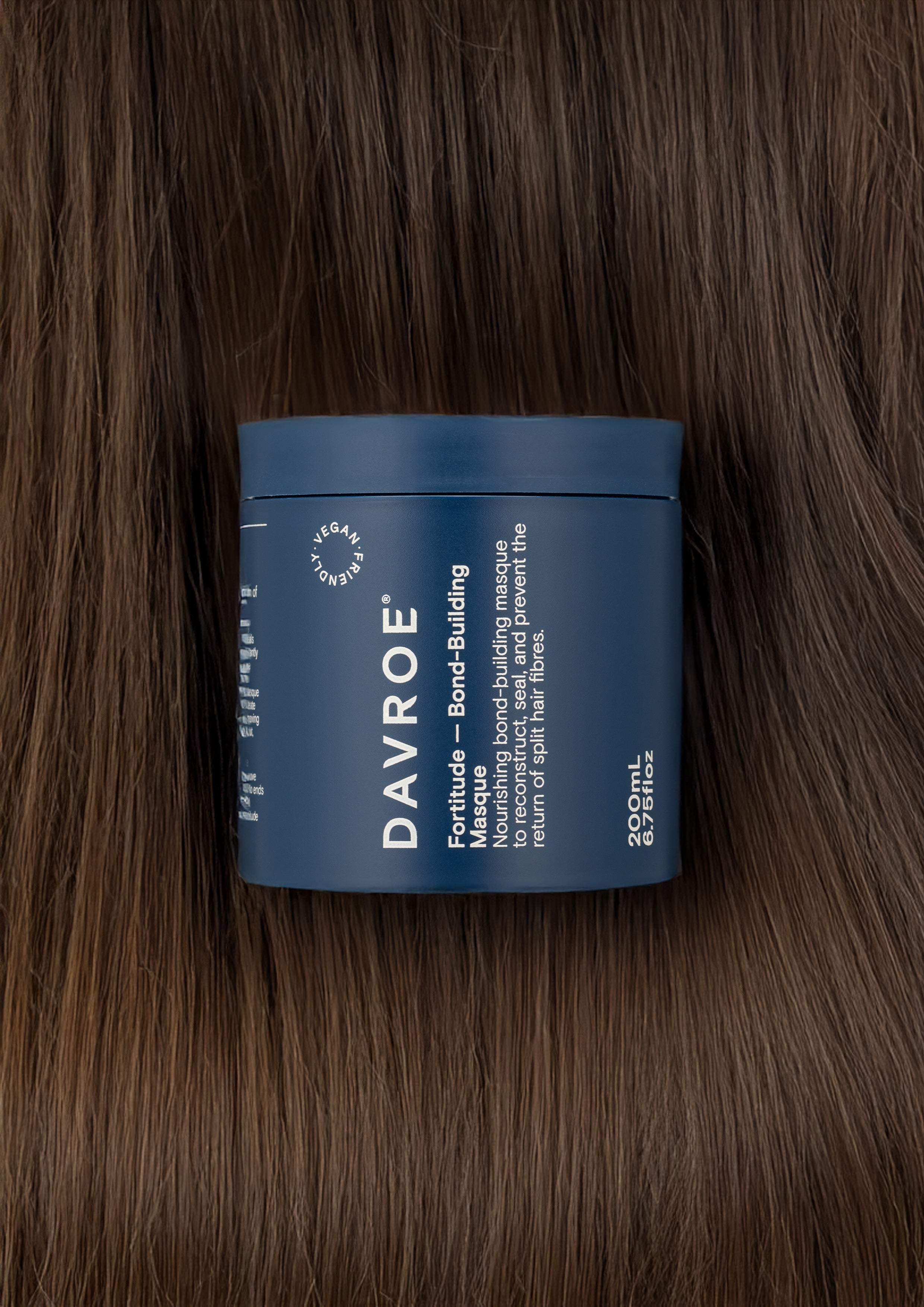
If your hair is showing signs of real damage rather than seasonal dryness, the Fortitude Bond Building Shampoo and Rebuilder Protein Hair Rebuilder are worth adding to that 4 to 6 week repair window.

Free shipping is offered on orders over a certain amount, making it convenient to build out a full weekly and daily routine in one go. Head to the Prohair shop to browse the full range and start building your winter routine today.
Sources
- How to get rid of static from hair — Healthline
- Static hair: simple tricks to smooth flyaways — Marie Claire
- Avoid static hair in winter with stylist-approved tips — Glamour
- Why is hair static in winter? The science explained — Biology Insights
- 15 products for staticky hair to tame friction all winter long — Allure
FAQ
How do you get rid of static hair in winter?
Mist your hair lightly with water, run a dryer sheet over the surface, or smooth a small amount of hand cream over flyaways. For lasting results, add a weekly deep-conditioning mask and a daily leave-in treatment to your routine.
How do I stop my hair from being static?
Reduce friction by switching to a boar-bristle brush and silk pillowcase, and reintroduce moisture with a leave-in oil or masque. A humidifier in rooms you use often also helps by keeping the surrounding air from drying your hair out.
Is static hair unhealthy?
Static itself isn’t a sign of unhealthy hair. It’s a normal reaction to dry winter air and friction, but if static persists despite a solid moisture routine, it can point to cuticle damage that needs repair treatments.
What does static hair indicate?
Static usually just indicates low humidity and friction from hats, brushes, or synthetic fabrics. Persistent static that doesn’t respond to hydration and the right tools often signals a damaged or overly porous cuticle instead.