
Then stay out of the sun and skip the hairdryer and straightener until the redness fades. Most scalp sunburn settles within about a week with consistent care if you keep it cool, moisturised, and protected.
TL;DR:
- Applying cool water or compresses within the first twenty minutes significantly reduces inflammation and stinging caused by scalp sunburn.
- Using aloe vera gel or low-strength hydrocortisone cream helps soothe redness and swelling, with barrier repair products aiding recovery during peeling.
- Avoid heat tools, tight hairstyles, and hot showers during healing, and switch to gentle, sulfate-free shampoos to prevent further irritation.
- Severe symptoms like blistering, worsening pain, spreading redness, or lack of improvement after a week require prompt medical attention.
- Prevent future sunburn by thoroughly applying broad-spectrum SPF 30+ scalp sprays, wearing wide-brimmed hats, and avoiding peak UV hours.
Table of Contents
- How do you get immediate scalp sunburn relief?
- Which topical remedies actually help a sunburnt scalp?
- How should you wash and style hair while your scalp heals?
- When is scalp sunburn serious enough to see a doctor?
- How can you prevent scalp sunburn next time?
- Why salon-grade scalp care matters during recovery
- Recommended scalp-repair products for recovery
- Sources
- FAQ
How do you get immediate scalp sunburn relief?
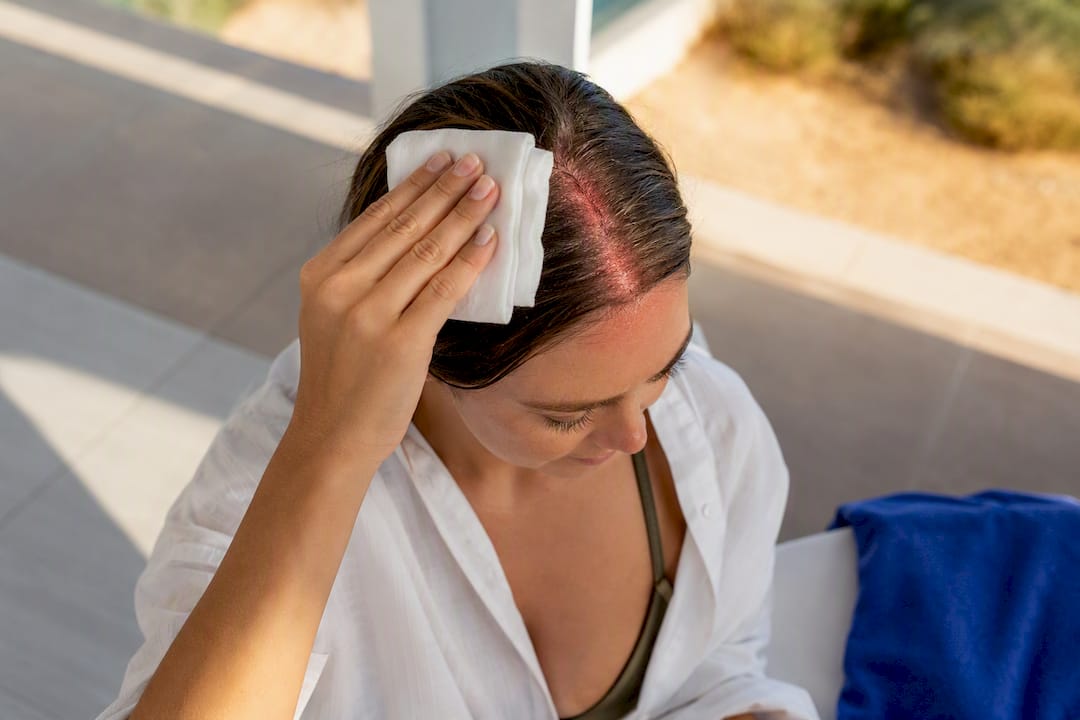
The first twenty minutes matter more than anything you do afterwards. Get out of direct sun straight away and run cool (not icy) water over the scalp, or hold a cool, damp cloth against the sore areas. Cool water and compresses for around five to twenty minutes calm the inflammation that is driving the sting.
Skip the ice cubes. Applying ice directly to sunburned skin can shock already-stressed tissue and cause extra damage on top of the burn. A hot shower does the same thing in reverse, since heat reopens blood vessels near the surface and can make throbbing worse.
Pain relief helps too. NSAIDs like ibuprofen, or paracetamol, are commonly recommended for sunburn pain and swelling, taken according to standard dosing unless you have a medical reason to avoid them. Drink more water than usual over the next day or two. Sunburned skin loses moisture fast, and dehydration slows the repair process your scalp needs to run.
A simple sequence to follow in the first hour:
- Move out of the sun immediately.
- Cool the scalp with cool water or a damp cloth for 5 to 20 minutes.
- Take an appropriate dose of paracetamol or ibuprofen if pain is significant.
- Drink a glass of water, then keep sipping fluids through the day.
- Avoid hot showers, tight hats, or anything that traps heat against the scalp.
Pro Tip: Keep a spray bottle of cool water in the fridge during summer. A quick misting over the part-line the moment your scalp feels tight or hot can stop mild sun exposure turning into a full burn.
Which topical remedies actually help a sunburnt scalp?
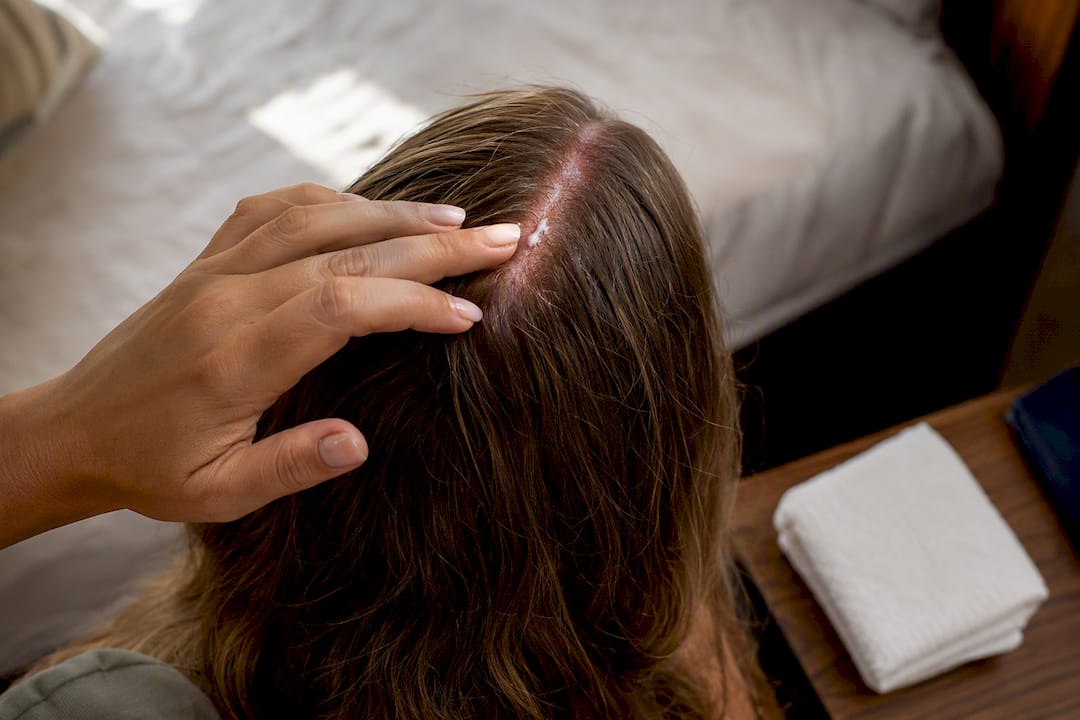
Aloe vera is the first thing worth reaching for. Pure, fragrance-free aloe vera gel applied several times a day cools the skin and adds moisture without clogging hair follicles, which matters on a part of the body you can’t exactly avoid touching.
Hydrocortisone earns its place for anything beyond mild redness. A low-strength hydrocortisone cream, 0.1% to 1%, used twice daily for the first few days can bring down itching, redness, and swelling. Don’t use it for more than seven days without checking with a doctor or pharmacist, and avoid it on broken or blistered skin.
Once the burn starts to peel, switch focus to barrier repair. Ceramide-containing lotions or petrolatum-based ointments support the skin as it re-forms, which is a different job to the cooling aloe does early on. A trichologist’s view backs this up: lightweight, calming tonics work better than heavy creams, because thick formulas can trap heat against inflamed skin instead of releasing it.
If you’d rather skip anything oil-based during the day, these non-greasy options work well between applications:
- Cooled green tea, pressed against the scalp as a compress.
- Rosewater, misted on for a light anti-inflammatory hit.
- Colloidal oatmeal rinse, particularly good for calming itch.
Save richer treatments for overnight. Applying an oil-based treatment before bed, under a shower cap, gives the ingredients hours to absorb without leaving your hair greasy for the day ahead.
How should you wash and style hair while your scalp heals?
Your usual routine needs a pause. Sulfates and heavy silicones like dimethicone can trap heat and worsen irritation on inflamed skin, so this is the week to reach for something gentler.
- Wash with a sulfate-free shampoo and use cool, not hot, water.
- Pat the scalp dry rather than rubbing it with a towel.
- Hold off on conditioner touching the scalp itself until redness fades; apply it mid-length to ends instead.
- Skip heat tools entirely, and try heatless overnight styling methods instead of a straightener or dryer.
- Choose loose styles over tight ponytails, buns, or braids that pull on tender skin. If you regularly wear protective or braided styles, give the scalp a break until it’s no longer tender to the touch.
Normal styling can resume once the redness and tenderness are gone, usually inside a week.
When is scalp sunburn serious enough to see a doctor?
Most cases settle with home care, but some signs mean it’s time to stop self-treating.
- Blistering, severe pain, or swelling that keeps getting worse needs same-day medical attention.
- Redness spreading beyond the original sunburn, fever, or pus are signs of possible infection and warrant prompt review.
- If there’s no real improvement after about a week, or symptoms get worse instead of better, book a GP or dermatology appointment.
Severe burns sometimes need prescription-strength topical steroids, oral antibiotics for infection, or a specialist review that goes beyond anything available over the counter.
How can you prevent scalp sunburn next time?
Prevention is far less fiddly than treatment, and it takes about thirty seconds before you walk out the door.
- Use a broad-spectrum SPF 30+ sunscreen made for hair and scalp, in spray or powder form for easy reapplication over styled hair.
- A wide-brimmed hat is the simplest fix if you’d rather skip sunscreen on the scalp altogether.
- Reapply after swimming or heavy sweating, since both wash or wear off protection fast.
- Pay extra attention to your part-line and hairline. They’re thin-coverage zones that catch more direct sun than people expect.
- Where you can, avoid peak UV hours, and wear UPF-rated clothing with a broader brim or collar for extended time outdoors.
Thin hair, a shaved head, or a receding hairline all raise your exposure risk, so treat scalp sunscreen the same way you would sunscreen on your face.
Why salon-grade scalp care matters during recovery
Years spent talking with salon partners about client scalp complaints taught the Prohair team one thing: healing skin doesn’t need more product, it needs the right product. Heavy, occlusive formulas that work fine on healthy skin can trap heat on a sunburnt scalp and slow things down.
The better approach is a lightweight, low-residue treatment applied overnight, when the scalp has hours to absorb it without you walking around greasy all day.
— Burgs
Recommended scalp-repair products for recovery
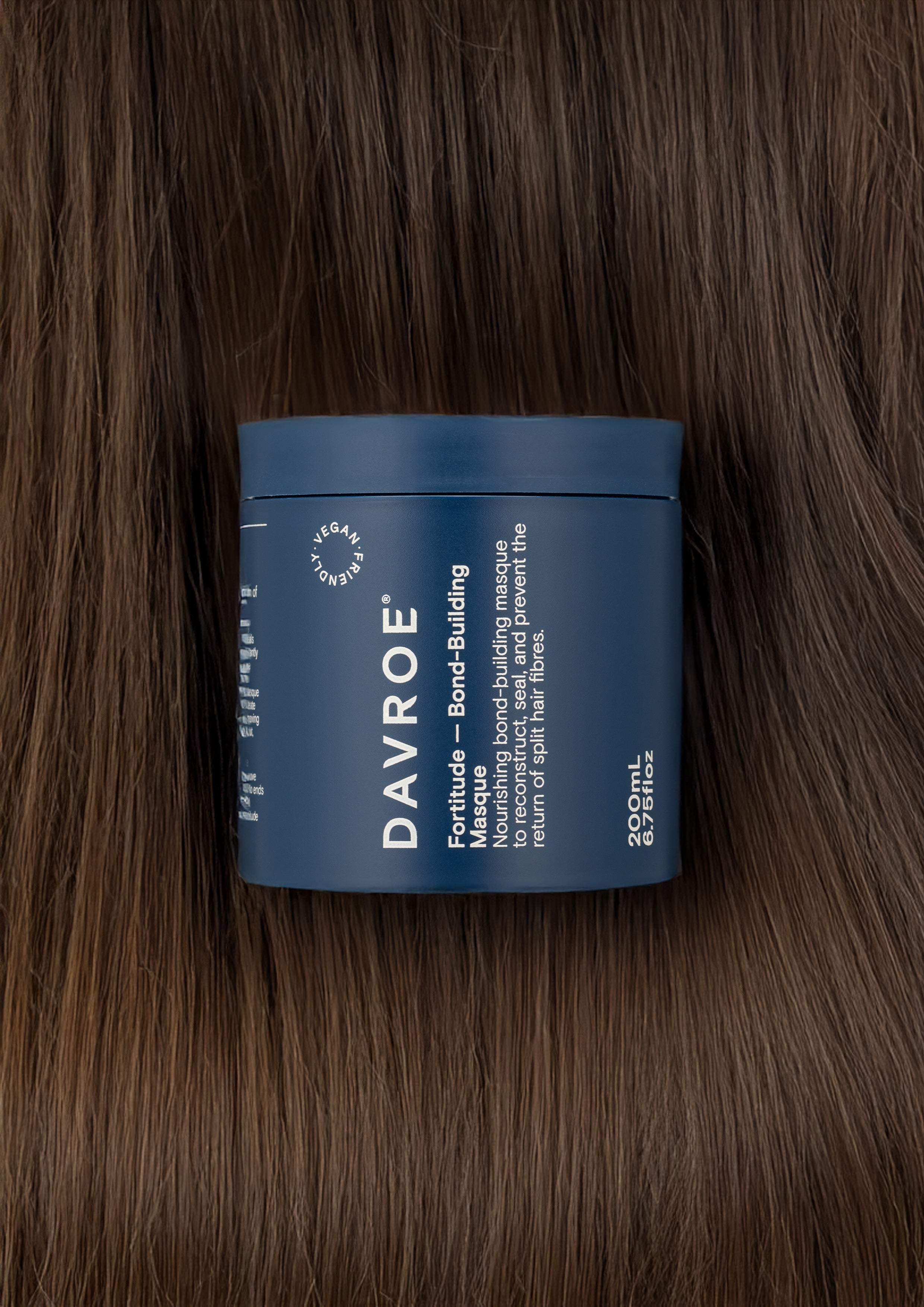
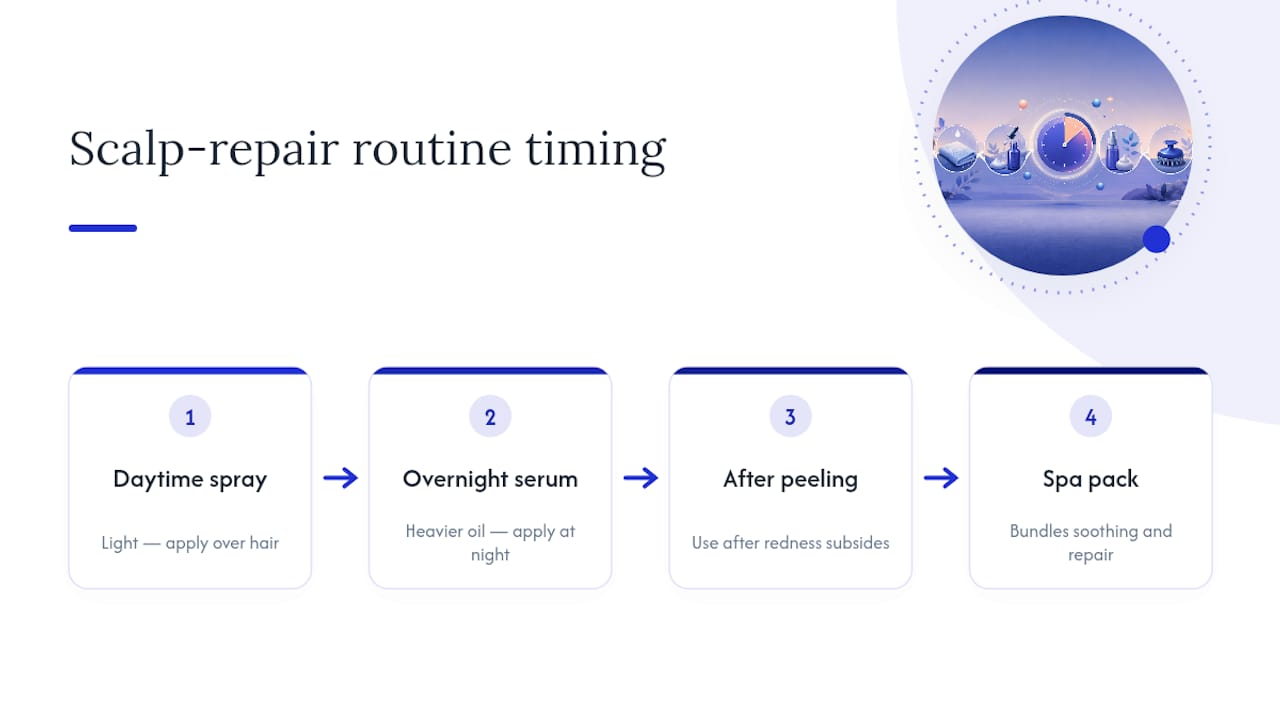
Prohair built its scalp range around exactly the problem sunburn creates: skin that needs barrier support without the greasy weight of a heavy cream. The Davroe Scalp Remedy Lotion Spray is the one to reach for during the day, since it’s light enough to apply over styled hair without leaving residue behind.
For overnight repair, the Davroe Scalp Remedy Overnight Serum does the heavier lifting while you sleep, which fits the same logic dermatology sources give for oil-based treatments: apply at night, absorb for hours, wake up without greasy hair. Once the peeling stage has properly passed and skin has calmed, the Davroe Scalp Remedy Exfoliating Scrub helps clear flaking skin gently, but it should wait until there’s no redness or tenderness left. If you want the full routine in one go, the Davroe Scalp Remedy Spa Pack bundles the soothing and barrier-repair steps together.
These are salon-trusted formulas, the same ones used across Prohair’s network of New Zealand salon accounts, delivered straight to your door instead of requiring a salon visit. Browse the full scalp range and place an order today to have it ready before your next day in the sun.
This article is general information, not a substitute for advice from a qualified doctor. Consult a qualified healthcare professional about your own circumstances before acting on anything here.
Sources
- Sunburned scalp: symptoms, treatment, and prevention — Healthline
- Scalp sunburn: 17 treatment methods approved by derms — Byrdie
FAQ
How long does it take for a scalp sunburn to go away?
Most scalp sunburn heals in about one week with consistent care, though peeling can continue a little longer on more severe burns.
Can you put aloe vera on a sunburnt scalp?
Yes. Pure, fragrance-free aloe vera gel applied several times a day cools the skin and adds moisture without clogging follicles.
How do you get rid of scalp burn quickly?
Cool the scalp immediately with cool water for 5 to 20 minutes, take paracetamol or ibuprofen for pain, and follow with aloe vera or hydrocortisone. A lightweight overnight serum such as Davroe Scalp Remedy Overnight Serum can support recovery once the initial sting has settled.