
If you want a simple answer: shampoo bars suit most hair types, travel well, and cut plastic waste, but the right formula matters more than the format. If you have hard water, a syndet (synthetic detergent) bar is the safer starting point. If you rely on colour-care actives or prescription scalp treatments, a quality liquid shampoo is harder to replace.
Jump to which format suits your hair type for a personalised match, or head straight to how to switch to a bar if you have already decided.
One practical caveat before you choose:
- Water hardness is the single biggest variable. Soap-based bars react with hard-water minerals and leave a waxy residue. Syndet bars do not.
- Ingredient type, not format, determines whether a shampoo is gentle or harsh.
- A trial size of either format costs little and tells you more than any comparison guide.
Key takeaways
Syndet bars clean as well as quality liquids for most hair types, but water hardness and formula type determine whether a bar works for you, not the format alone.
| Point | Details |
|---|---|
| Syndet beats soap bars | Choose a syndet bar over a soap-based bar, especially in hard-water areas, to avoid waxy residue. |
| Format follows formula | Ingredient quality and pH matter more than whether the product is solid or liquid. |
| Bars win on eco and travel | Water-free, minimal-packaging bars reduce plastic waste and are carry-on friendly. |
| Liquids lead on targeted actives | Colour care, scalp treatments, and bond-building formulas are still more available in liquid form. |
| Prohair for salon-grade results | Prohair’s professional range covers both concerns, with options for colour, repair, frizz, and volume delivered to your door. |
Table of Contents
- What is a shampoo bar and how does it differ from liquid shampoo?
- Shampoo bar vs liquid: the key differences that actually matter
- The real pros and cons of shampoo bars
- The real pros and cons of liquid shampoos
- Ingredients and pH: what to check on any shampoo label
- Which format suits your hair type and scalp condition?
- How to switch to a shampoo bar: a step-by-step guide
- Do bars really save plastic and money?
- Common myths about shampoo bars worth clearing up
- Salon pro tips from Prohair for getting the best from either format
- A quick decision checklist for choosing in-store or online
- An honest take on bars versus bottles
- Salon-grade options for every wash routine, from Prohair
- Sources
- FAQ
What is a shampoo bar and how does it differ from liquid shampoo?
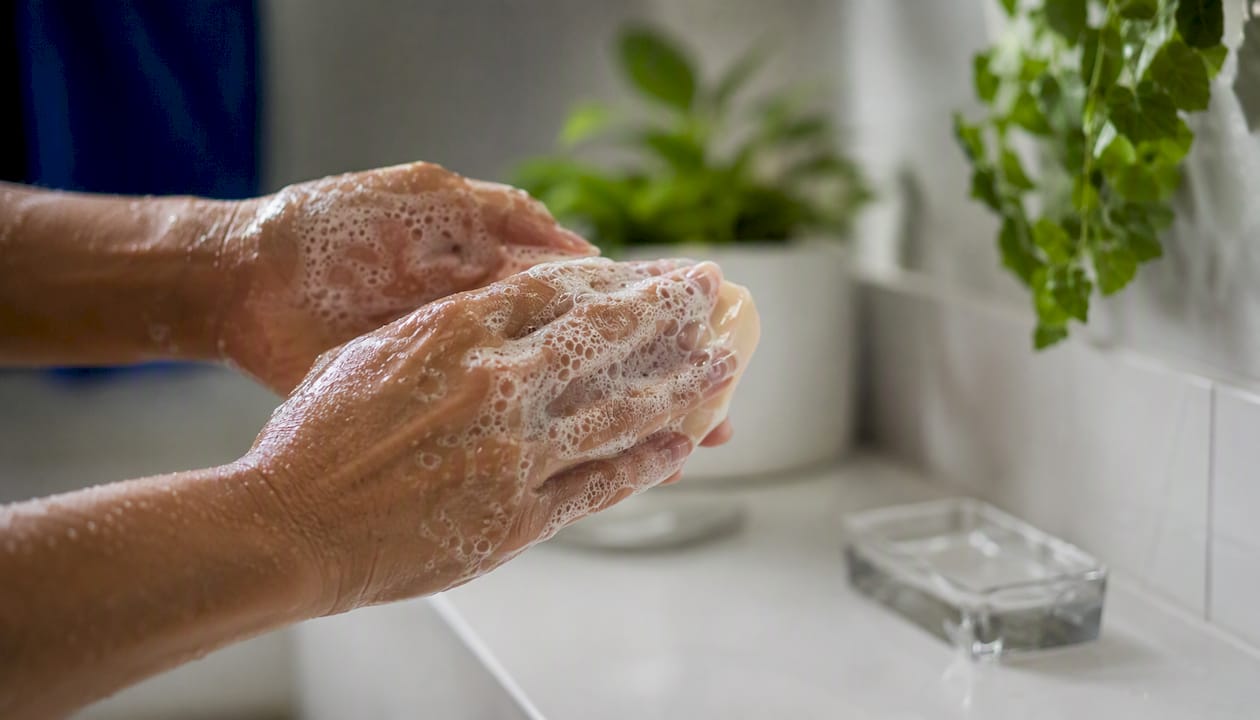
A shampoo bar is a solid, concentrated cleanser shaped like a soap but formulated specifically for hair. The key distinction is water content: liquid shampoos are mostly water, whereas bars contain little to none. That concentration means a bar weighing about the same can replace multiple standard 250 ml bottles.
There are two distinct bar types, and confusing them explains most bad experiences.
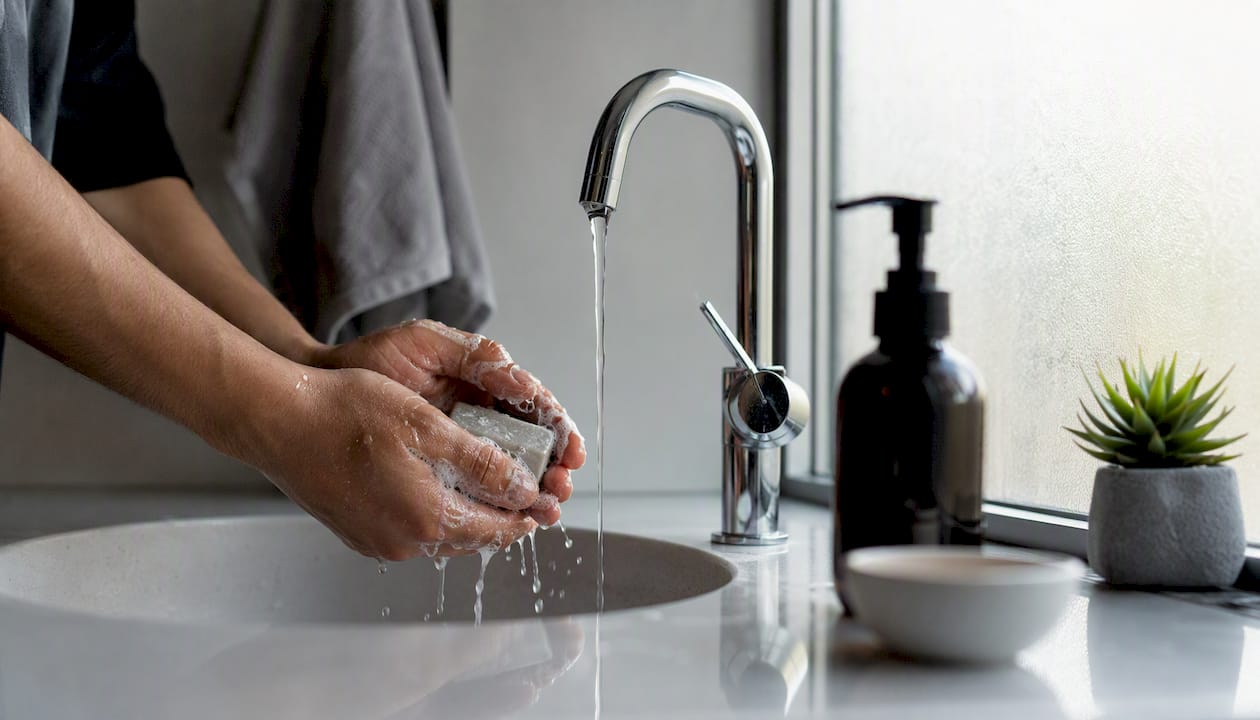
Soap-based bars are made by saponifying oils (reacting fats with an alkali). They have a naturally high pH, around 9–10, which can rough up the hair cuticle and react with hard-water minerals to leave residue.
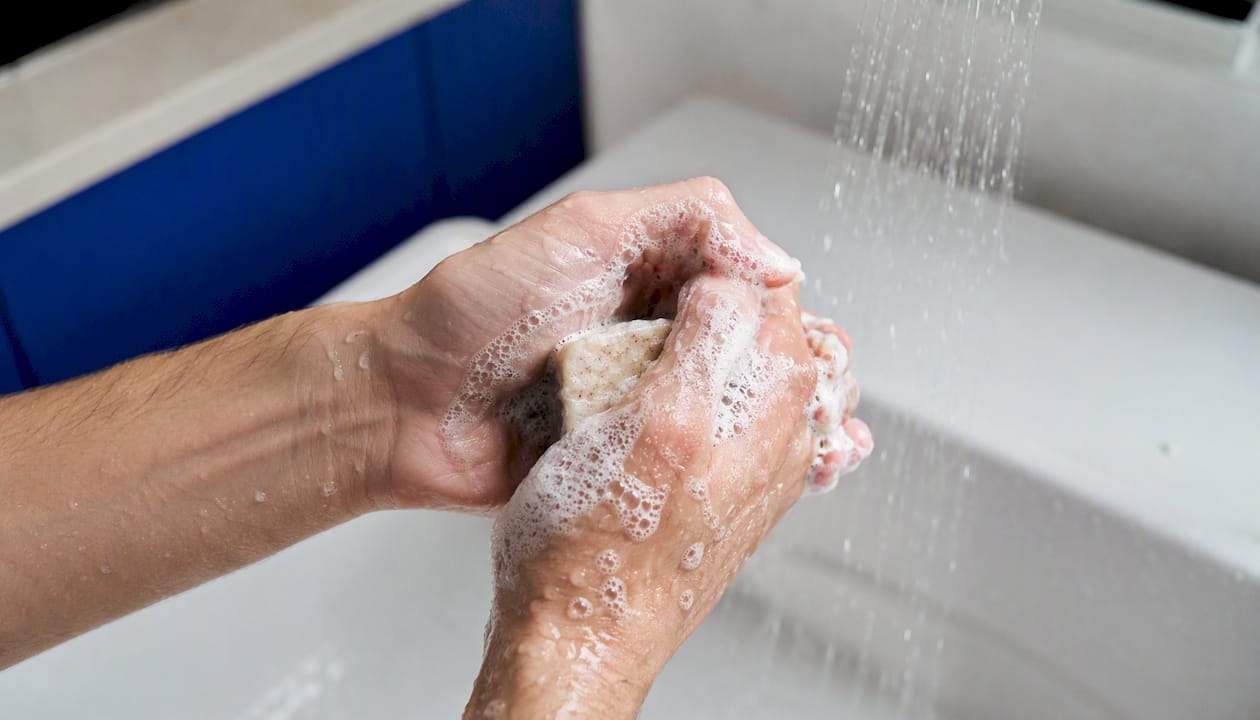
Syndet bars use synthetic surfactants, the same cleansing agents found in quality liquid shampoos. Their pH sits closer to 4.5–5.5, matching the hair’s natural acid mantle. They rinse clean in most water conditions.
Liquid shampoos are water-based, preserved to prevent microbial growth, and dispensed from a pump or squeeze bottle. They are easy to dose, widely available in targeted formulations, and require no technique adjustment.
Key formulation differences at a glance:
- Water content: bars near 0%; liquids 70–80%
- Surfactant types: bars often use SCI (sodium cocoyl isethionate) or SLSa; liquids commonly use SLES, SLS, or gentler alternatives
- Preservatives: liquids require them (parabens, phenoxyethanol, methylisothiazolinone); bars typically do not
- Packaging: bars use minimal or no plastic; liquids almost always use plastic bottles
- pH: syndet bars 4.5–5.5; soap bars 9–10; liquids typically 4.5–6.5
Shampoo bar vs liquid: the key differences that actually matter
Here is a fast comparison across the dimensions most readers care about.
- Cleaning power: Both formats clean effectively when matched to hair type and water quality. Modern bars perform on par with liquids in independent reviewer panels, provided the formula is right.
- Suitability by hair type: Liquids offer more targeted formulations (colour-safe, clarifying, scalp treatment). Bars are catching up but the range is narrower.
- Ingredients and irritants: Bars often skip SLS and synthetic preservatives, which can benefit sensitive scalps. Liquids carry more preservative load but also more active-ingredient options.
- Environmental impact: Bars use less water in production, weigh less for transport, and generate less plastic packaging.
- Cost and longevity: A single bar can outlast two to three bottles of equivalent liquid when used correctly.
- Ease of use and travel: Bars are TSA-friendly, never leak, and need no liquid allowance. Liquids are familiar and easy to dose.
- Lather and sensory experience: Syndet bars lather well. Soap bars can feel draggy. Liquids generally lather instantly and feel familiar.
- Storage and hygiene: Bars need a draining dish or vented holder to dry between uses. Left sitting in water, they dissolve quickly and can harbour bacteria.
Pro Tip: If you live in a hard-water area, choose a syndet bar over a soap-based bar. That single decision resolves most of the waxy-residue complaints that put people off bars entirely.
The real pros and cons of shampoo bars
What bars do well
- Less plastic. Most bars ship in cardboard or paper, and their concentrated, water-free formulation reduces both packaging and transport emissions.
- Longer lasting. A quality bar typically outlasts multiple 250 ml bottles, making the per-wash cost competitive.
- Travel-friendly. Solid format means no liquid restrictions, no leaking in your bag, and a smaller footprint in your wash kit.
- Gentler for some scalps. Because many bars skip SLS and synthetic preservatives, they can suit people prone to contact dermatitis or scalp sensitivity.
- Minimal ingredients. Fewer components often means fewer potential triggers for reactive skin.
Where bars fall short
- Learning curve. Correct technique takes a wash or two to nail. Too little water or too many swipes leaves residue.
- Storage demands. A bar left in a puddle of water degrades fast. It needs a vented soap dish or a magnetic bar holder to dry properly between uses.
- Hard-water residue. Soap-based bars in hard water leave a waxy film. This is chemistry, not user error, and switching to a syndet bar is the fix.
- Limited targeted actives. If you need a colour-depositing formula, a medicated scalp treatment, or a bond-building shampoo, liquids still offer more options.
- Inconsistent lather expectations. Some bars, especially soap types, produce less foam than people expect. That does not mean they are not cleaning, but it can feel wrong.
Many people who try a bar and hate it are using a soap-based bar in hard water with too little pre-wetting. Switching to a syndet bar and spending 30 seconds wetting hair thoroughly before applying changes the experience entirely. The bar is not the problem; the match is.
The adjustment period is real but short. Most switching problems are technique or formula related and resolve within a few washes once you identify the cause.
The real pros and cons of liquid shampoos
What liquids do well
- Instant familiarity. No technique change, no adjustment period. Pump, lather, rinse.
- Broad formulation range. Colour-safe, clarifying, bond-building, scalp-balancing, anti-dandruff — liquids cover every concern with precision actives.
- Easy dosing. You can measure exactly how much you use, which matters for fine hair or scalp-focused routines.
- Consistent performance. Water quality rarely affects a well-formulated liquid shampoo the way it affects soap bars.
Where liquids fall short
- Plastic packaging. Most liquid shampoos come in single-use plastic bottles. Even recyclable ones carry a production and transport footprint.
- High water content. You are paying to ship and store a product that is mostly water. Concentrated liquid formats and refill systems reduce this, but standard bottles do not.
- Preservative load. Water-based formulas need preservatives to stay safe. Methylisothiazolinone (MI) and methylchloroisothiazolinone (MCI), common in older formulas, are now flagged as contact allergens by dermatologists. Check labels if you have a reactive scalp.
- Sulfate concerns. Sodium lauryl sulfate (SLS) is effective but strips natural oils and can irritate sensitive scalps. Many quality liquids now use SLES or gentler alternatives, so this is a label-reading issue rather than a format-wide problem.
A quick note on preservatives and sulfates: they are not inherently bad. SLS cleans effectively; preservatives keep your shampoo safe to use. The issue is concentration and individual sensitivity. If your scalp reacts, look for sulfate-free options like a KOBO sulfate-free shampoo rather than abandoning liquid shampoo entirely.
Ingredients and pH: what to check on any shampoo label
Understanding a few key ingredients helps you choose confidently, regardless of format.
| Ingredient | Type | Usual effect | Watch for |
|---|---|---|---|
| Sodium lauryl sulfate (SLS) | Surfactant | Strong cleansing, good lather | Strips oils; may irritate sensitive scalps |
| Sodium laureth sulfate (SLES) | Surfactant | Milder than SLS, good lather | Generally well tolerated; check concentration |
| Sodium cocoyl isethionate (SCI) | Surfactant | Gentle, creamy lather | Common in syndet bars; low irritation risk |
| Sodium lauryl sulfoacetate (SLSa) | Surfactant | Mild, derived from coconut | Often confused with SLS; much gentler |
| Methylisothiazolinone (MI/MCI) | Preservative | Prevents microbial growth | Known contact allergen; avoid on reactive scalps |
| Phenoxyethanol | Preservative | Broad-spectrum preservation | Generally well tolerated at low concentrations |
| Fragrance / parfum | Fragrance | Scent | Common allergen trigger; listed as single ingredient |
| Behentrimonium chloride | Conditioning agent | Detangles, smooths cuticle | Safe; common in conditioners and some bars |
| EDTA / chelating agents | Chelator | Binds hard-water minerals | Useful in hard-water areas; improves rinse |
Why pH matters
Hair’s natural pH sits around 4.5–5.5. Shampoos formulated within that range keep the cuticle lying flat, which means less frizz, better shine, and longer-lasting colour. Soap-based bars at pH 9–10 lift the cuticle, which is why they can feel rough and why colour-treated hair fades faster after using them. A pH-shielding shampoo is particularly useful for colour-treated hair, as cuticle integrity directly affects how long your colour holds.
Syndet bars and quality liquid shampoos are typically pH-balanced. Soap bars are not.
Pro Tip: If you experience persistent scalp irritation, redness, or flaking that does not resolve after switching formulas, see a dermatologist. Suspected contact dermatitis needs a patch test, not another product swap.
Which format suits your hair type and scalp condition?
Hair is personal. The right format depends on your hair structure, scalp behaviour, and water quality more than on any trend.
- Fine hair: Liquid shampoos with volume-building actives tend to give more lift and control. A volume-amplifying shampoo formulated for fine hair outperforms most bars here. Bars can work but risk weighing fine strands down if over-applied.
- Curly and coily hair: Moisture retention is the priority. Syndet bars with conditioning surfactants (SCI, SLSa) can work well, especially paired with a rich conditioner. Avoid soap bars, which roughen the cuticle and worsen frizz.
- Thick or coarse hair: Both formats work. Bars with SCI lather well through dense hair. Look for formulas with chelating agents if your water is hard.
- Oily scalp: A clarifying liquid shampoo gives more precise control over cleansing strength. A deep-cleansing clarifying shampoo removes buildup without the residue risk of a soap bar.
- Dry scalp or scalp dermatitis: Syndet bars without fragrance or MI/MCI are often gentler than standard liquids. Healthline notes that bars may help people with contact dermatitis precisely because they tend to skip common irritants.
- Colour-treated hair: pH matters most here. Use a pH-balanced syndet bar or a colour-safe liquid. Soap bars at high pH accelerate colour fade.
- Hard-water households: Syndet bars are the safer choice. Soap bars react with calcium and magnesium ions in hard water to form insoluble salts, which is the waxy residue people report. A liquid with chelating agents (EDTA, citric acid) also handles hard water well.
The syndet versus soap bar distinction is the single biggest technical determinant of success. Get that right first, then fine-tune by hair type.
How to switch to a shampoo bar: a step-by-step guide
Switching formats works best as a deliberate process, not a cold swap.
- Clarify first. Use a clarifying shampoo on your first wash to remove silicone and product buildup. Residue from previous products can make a bar feel like it is not working. The Davroe Clarify deep cleansing shampoo is a good starting point.
- Wet your hair thoroughly. Spend at least 30 seconds under warm water before touching the bar. This is the step most people skip, and it causes more problems than any other.
- Apply the bar correctly. Swipe the bar directly onto your scalp 4–6 times, working from the nape upward. You can also lather the bar between your palms first and apply the foam. Do not rub the bar along the length of your hair; focus on the scalp.
- Work in the lather. Use your fingertips to massage the scalp for 60–90 seconds. The lather will spread to the lengths as you rinse.
- Rinse thoroughly. Longer than you think necessary. Incomplete rinsing is the main cause of that heavy or waxy feeling after a bar wash.
- Condition as normal. Bars cleanse; they do not condition. Follow with your usual conditioner, or a leave-in treatment for dry or curly hair.
- Dry and store the bar. Stand it on a vented soap dish or a magnetic bar holder so air circulates underneath. Never leave it in a pool of water.
Pro Tip: A magnetic bar mount or a slatted bamboo dish keeps the bar dry between washes and roughly doubles its lifespan. A bar sitting in a wet soap dish dissolves from the bottom up and can grow mould.
Troubleshooting common problems
- Waxy or heavy feel: Usually hard water plus a soap bar. Switch to a syndet bar, or try an apple cider vinegar rinse (one tablespoon in 250 ml water) to dissolve mineral deposits.
- Loss of volume or flat hair: Too much bar applied to the lengths. Keep application to the scalp only.
- Residue after rinsing: Rinse longer, or clarify again. If it persists, the bar formula is not right for your water type.
Do bars really save plastic and money?
The sustainability case for bars is straightforward on packaging: most bars ship in cardboard or paper, and their water-free formulation means you are not paying to move water around in heavy plastic bottles. That is a tangible logistics and emissions saving when a bar replaces two or three bottles over its lifespan.
On cost, a rough comparison: a quality bar priced around $15–20 typically delivers many washes. A 250 ml liquid shampoo at a similar price point gives fewer washes. The bar’s cost-per-wash is generally lower, though this depends on hair length, thickness, and how much product you use per wash.
Environmental factors worth weighing:
- Packaging waste: Bars win clearly. Paper and cardboard versus single-use plastic.
- Production water content: Bars use significantly less water in formulation.
- Transport weight: A bar weighs a fraction of an equivalent liquid volume, reducing shipping emissions.
- Recyclability: Some liquid bottles are recyclable in kerbside collections; bar packaging is generally compostable or recyclable.
- When liquids close the gap: Concentrated liquid formats, refill pouches, and aluminium bottles reduce the plastic and water argument. If you are already using a refill system, the environmental difference narrows.
A single shampoo bar can replace multiple plastic bottles over its lifespan, which is a meaningful reduction in single-use plastic for most households.
The environmental edge belongs to bars in most standard comparisons, but the gap shrinks when you factor in concentrated liquid refills or personal care products designed with minimal packaging.
Common myths about shampoo bars worth clearing up
A few persistent misconceptions make people either dismiss bars too quickly or expect too much from them.
- Myth: Bars always dry out your hair. Soap bars can, because of their high pH. Syndet bars formulated with conditioning surfactants do not. The bar type matters, not the format.
- Myth: Bars are unhygienic. A bar that dries properly between uses is no more of a hygiene risk than a bar of facial soap. The issue is storage, not the product itself.
- Myth: Bars cannot lather. Syndet bars lather well. Soap bars lather less in hard water. Lather is also not a reliable indicator of cleaning power; it is a sensory cue, not a performance metric.
- Myth: All bars are pH-balanced. Soap bars are not. Syndet bars are. This distinction matters for cuticle health and colour longevity.
- Myth: Bars are always the eco-friendly choice. They usually are, but a concentrated liquid in a refillable aluminium bottle has a comparable footprint. “Eco-friendly” depends on the full supply chain, not just the format.
- Myth: The transition period means bars are bad for your hair. The adjustment period, when it happens, is usually your scalp recalibrating oil production or residue clearing from previous products. It typically resolves within two to four washes.
Brands like Ethique have built their entire positioning around addressing these myths, publishing detailed FAQ content that explains the syndet distinction and pH science in plain language. That kind of transparency is worth looking for when choosing any bar brand.
Salon pro tips from Prohair for getting the best from either format
Whether you use a bar or a liquid, the principles of a good wash routine are the same. Here is what makes the difference at a professional level.
- Read the surfactant list, not just the marketing. The first surfactant listed is the primary cleanser. SCI and SLSa are gentle and effective. SLS high on the list in a product marketed as “gentle” is a red flag.
- Look for chelating agents in hard-water areas. Ingredients like disodium EDTA or citric acid bind hard-water minerals and prevent the residue that ruins bar experiences. They appear in both bars and liquids.
- Match the formula to the concern, not the trend. For frizz-prone or dry hair, look for conditioning surfactants and humectants (glycerin, panthenol). For colour-treated hair, prioritise pH-balanced formulas and UV filters. For damaged hair, seek out hydrolysed proteins and bond-building actives.
- Clarify before introducing a new format. Whether switching to a bar or trying a new liquid, a clarifying wash removes the residue baseline so you can accurately judge the new product.
- Do not skip conditioner with bars. Bars cleanse the scalp well but rarely provide enough slip for detangling or moisture for dry lengths. A quality conditioner or leave-in treatment is non-negotiable, especially for curly or colour-treated hair.
- For colour care: A colour-protective mist or pH-shielding formula between washes extends colour vibrancy regardless of whether you wash with a bar or liquid.
- For damaged or over-processed hair: A protein treatment like the Davroe Rebuilder Protein Hair Rebuilder works alongside any wash format to restore structural integrity.
The best shampoo is the one formulated for your specific hair concern, used with the right technique. Format is secondary to formula. A salon-grade liquid with the right actives will outperform a poorly matched bar every time, and vice versa.
Prohair’s salon-grade range is trusted by over 500 salon accounts across New Zealand, which means the formulations are tested in professional environments before they reach your bathroom shelf.
A quick decision checklist for choosing in-store or online
Work through these questions before you buy.
- What is your water hardness? Hard water: choose a syndet bar or a liquid with chelating agents. Soft water: both formats work freely.
- Do you have a sensitive scalp or known contact allergies? Yes: look for fragrance-free, MI/MCI-free, SLS-free formulas. A syndet bar or a gentle sulfate-free liquid are both good options.
- Is your hair colour-treated? Yes: prioritise pH-balanced formulas (syndet bar or colour-safe liquid). Avoid soap bars.
- Do you travel frequently? Yes: a bar is lighter, leak-proof, and never counts as a liquid in carry-on luggage.
- Do you need targeted scalp treatment (dandruff, seborrheic dermatitis, psoriasis)? Yes: a medicated or active-ingredient liquid shampoo gives more precise delivery of actives like zinc pyrithione, ketoconazole, or salicylic acid.
- Is reducing plastic waste a priority? Yes: a bar in paper packaging is the clearer choice, unless you are already using a liquid refill system.
Label questions to ask before buying
- Is the primary surfactant SLS, SLES, SCI, or SLSa? (SCI and SLSa are gentler.)
- Does the formula list a pH or describe itself as pH-balanced?
- Are preservatives listed? (MI, MCI, or parabens are worth noting for sensitive scalps.)
- Is fragrance listed as a single ingredient? (This can mask dozens of potential allergens.)
- Does the bar specify syndet or soap-based? (If it does not say, check the pH or contact the brand.)
Quick red flags
- “Natural” or “organic” on a soap bar does not mean pH-balanced or gentle.
- A bar with no ingredient list is a bar you cannot evaluate.
- A liquid claiming “sulfate-free” but listing SLS under an alternate name (sodium lauryl sulphate, sodium dodecyl sulfate) is using the same ingredient.
Start with a trial size. Both formats are available in smaller sizes that let you test performance before committing to a full-sized purchase.
An honest take on bars versus bottles
The debate between shampoo bars and liquid shampoos gets more heated than it deserves. Most of the strong opinions, in either direction, come from people who had one bad experience with the wrong product.
Here is the practical reality: a well-formulated syndet bar cleans as well as a quality liquid shampoo for most hair types. The Wirecutter’s 2026 review panels found modern bars comparable to liquids in cleaning and feel, which tracks with what salon professionals see when clients switch correctly. The eco case is also real: water-free bars reduce transport weight and packaging in ways that concentrated liquids only partially replicate.
What gets underestimated is how much the syndet versus soap distinction matters. Most people who try a bar and abandon it used a soap-based bar in hard water without knowing the difference. That is a formulation mismatch, not a verdict on bars as a category.
The honest recommendation: if you want to try a bar, start with a syndet bar, clarify first, and give it three washes before judging. If you have colour-treated hair, a scalp condition, or very fine hair that needs volume actives, a salon-grade liquid is still the more reliable tool. The two formats are not in competition. Many people use both, a bar for everyday washing and a targeted liquid for treatment days.
Hair is personal. The format that works is the one matched to your hair, your water, and your routine.
Salon-grade options for every wash routine, from Prohair
Whether you land on a bar or a bottle, the formula inside is what delivers results. Prohair brings salon-trusted formulations directly to your door, with options across every concern: frizz control, colour protection, repair, volume, and scalp balance.
For colour-treated hair, the KOBO PEPTIDEPRO pH shielding shampoo keeps the cuticle sealed and colour vibrant between salon visits. For dry or damaged hair, the Davroe anti-frizz shampoo delivers moisture without weighing hair down. Curly hair benefits from pairing any gentle wash with the Davroe CURLiCUE Deep Conditioning Rinse for defined, frizz-free results. Free shipping applies on orders over $100. Browse the full Prohair salon-grade range and find the formula that fits your hair.
Sources
- Benefits of Shampoo Bars: What You Should Know
- Shampoo Bars Have a Lot Going for Them. Will They Ever Catch On?
- Are Shampoo Bars Good for Your Hair? An Honest Answer - Batch and Bubble
- Mysimple
- The 3 Best Solid Shampoo Bars of 2026 | Reviews by Wirecutter
FAQ
Are shampoo bars better than liquid shampoo?
Neither format is universally better. Syndet bars perform on par with quality liquids for most hair types and offer clear eco and travel advantages, but liquids still lead on targeted actives for colour care and scalp treatments. The right choice depends on your hair type, water hardness, and routine.
What are the disadvantages of shampoo bars?
The main drawbacks are a short learning curve, storage requirements (bars must dry between uses), limited targeted formulations compared to liquids, and potential waxy residue in hard water when using soap-based bars. Switching to a syndet bar resolves most of these issues.
Are shampoo bars healthier for your hair?
They can be, particularly for sensitive scalps. Many bars skip SLS and synthetic preservatives like methylisothiazolinone, which are common irritants. Healthline notes bars may benefit people prone to contact dermatitis. However, “healthier” depends on the specific formula, not the solid format itself.
Do shampoo bars last longer than bottles?
Yes, typically. A quality bar can replace two to three standard 250 ml bottles over its lifespan, giving a lower cost-per-wash when used correctly. Longevity depends on hair length, how much product you use per wash, and whether the bar is stored properly on a draining dish between uses.