
The fastest way to manage thick, frizzy hair is a moisture-first routine: wash less often, condition thoroughly through the length, detangle while conditioner is still in, then seal with a leave-in or light oil. Add heat protection and humidity-smart styling, and most of the frizz you fight daily becomes much easier to control.
TL;DR:
- Wash the scalp two to four times weekly, condition midlengths and ends every wash, and detangle under conditioner with fingers or a wide tooth comb.
- Blot hair with a microfiber towel or old cotton shirt, let it partly air dry, and use low or medium heat with a heat protectant.
- Use a weekly hydrating mask for 10 to 15 minutes, and clarify only every two to four weeks, followed by deep conditioning.
- Choose richer creams with argan oil or fatty alcohols; use glycerin more sparingly in humid weather, when it can draw excess moisture into hair.
- Refresh between washes with water and a little leave in conditioner, and reduce overnight friction by loosely braiding hair or using a satin pillowcase.
Table of Contents
- The simple routine that tames thick, frizzy hair
- Wash-day walkthrough: step by step in the shower
- Styling without adding more frizz or heat damage
- Weekly and monthly treatments for softer, calmer hair
- Quick daily fixes and the right tools for thick hair
- Ingredients worth looking for on the label
- How nightly habits affect frizz the next morning
- Why salon-tested routines actually work
- A practical note on getting there
- How ProHair can help you build this routine
- FAQ
- Sources
The simple routine that tames thick, frizzy hair
Thick, frizzy hair thrives on consistency rather than more products. A compact routine done well beats a crowded shelf of items used randomly.
Start with a pre-wash step if your hair is very dry or prone to breakage. Working a small amount of oil through dry lengths 20 to 30 minutes before washing can soften strands and ease detangling, though this step is optional and not needed every wash.
Wash less often than you might think. Coarse, curly hair is naturally drier because scalp oils travel less easily along curved strands, so shampooing daily tends to strip moisture you want to keep. The Cleveland Clinic recommends focusing shampoo on the scalp and roots rather than the lengths, since that’s where oil and buildup actually collect.
Conditioner does the heavy lifting for thick hair. Apply it generously through the mid-lengths and ends, leave it on for a few minutes, then rinse with cool water to help the cuticle lie flatter.
The daily and weekly shape looks like this:
- Shampoo the scalp two to four times a week, skipping lengths unless they feel dirty.
- Condition every wash, concentrating product from mid-length to ends.
- Apply a leave-in or light sealing oil while hair is still damp, before any drying or styling.
That three-step cadence, repeated consistently, does more for frizz than any single product swap.
Wash-day walkthrough: step by step in the shower
Thick hair tangles fastest when it’s wet and handled roughly, so the order you do things in matters as much as the products themselves.
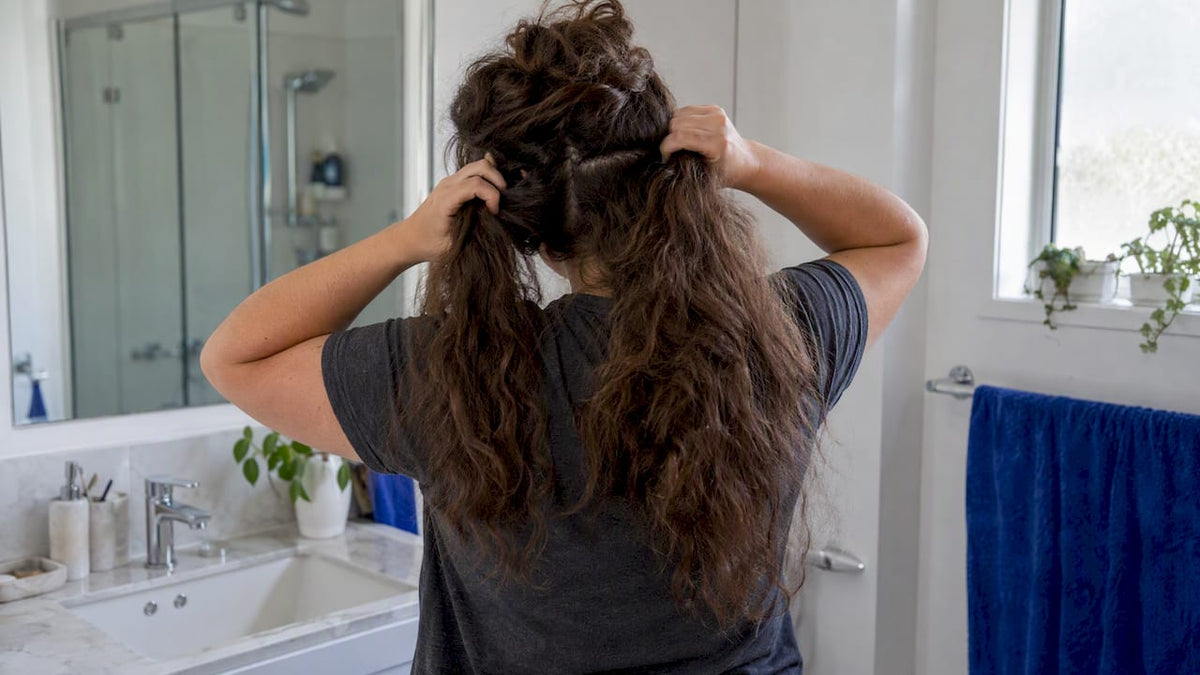
If your hair is long or very thick, section it before you start. Working in two or four sections keeps water and product distributed evenly and stops strands from matting together while you wash.
Pro Tip: Clip sections loosely with jaw clips rather than tight elastics, which can crease or snag wet hair.
Here’s the sequence dermatologists at the American Academy of Dermatology recommend for thick or curly hair:
- Wet each section thoroughly before applying anything.
- Apply shampoo directly to the scalp, massaging gently, and let the lather rinse through the lengths rather than scrubbing them separately.
- Rinse the scalp completely, then apply conditioner generously from mid-length to ends.
- While the conditioner is still in, detangle with your fingers or a wide-tooth comb, working from the ends upward in small sections.
- Rinse with cool water, gently squeezing rather than twisting each section.
- Blot with a microfibre towel or an old T-shirt instead of rubbing, which roughens the cuticle and triggers more frizz.
- Let hair air-dry partially before reaching for heat tools.
Detangling inside the conditioner rather than on dry hair meaningfully reduces breakage, because the slip from the conditioner lets knots release without tugging on the strand itself. The AAD also advises against brushing dry curls or frizzy lengths, since that disrupts the pattern and roughs up the cuticle layer that keeps frizz down.
Once hair is mostly air-dried, you’re ready to style with far less combing and far less heat than if you’d started from fully wet or fully tangled hair.
Styling without adding more frizz or heat damage
Heat styling is often where a good wash-day routine gets undone. The goal isn’t to avoid heat altogether, it’s to use it sparingly and at the lowest effective temperature.
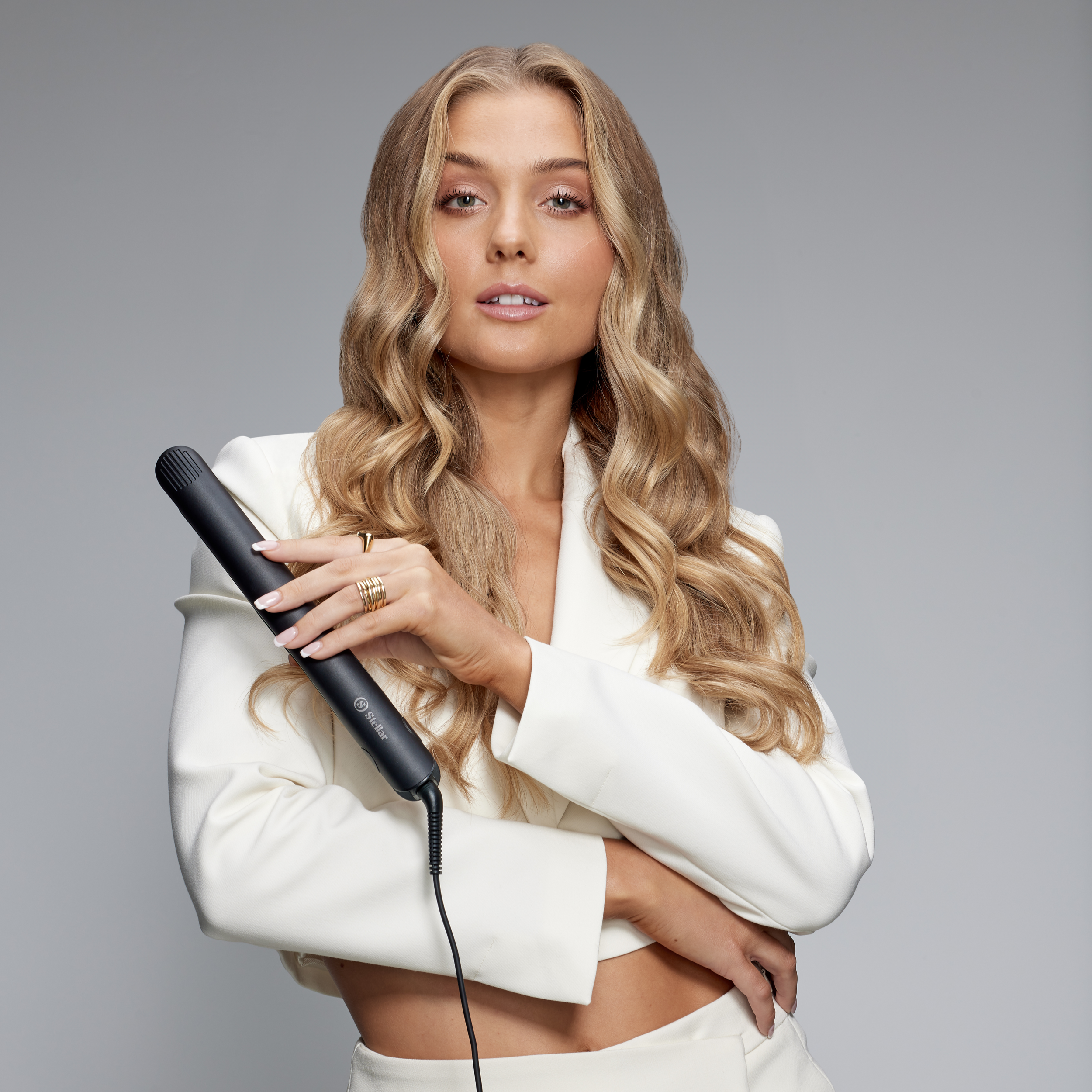
Start low and only increase if your hair genuinely isn’t responding. A flat iron used on dry hair no more than every other day, paired with a heat protectant, keeps styling from compounding into cumulative damage. The AAD specifically recommends low or medium heat settings with a protectant applied beforehand, rather than defaulting to the highest setting out of habit.
Layering products in the right order matters for thick hair specifically, since it needs more product coverage than fine hair to see the same effect:
- Apply a leave-in conditioner to damp hair first, focusing on mid-lengths and ends.
- Follow with a smoothing cream to coat the cuticle and control frizz.
- Finish with a small amount of light oil to add shine and seal the ends.
- Add a flexible-hold styler only if you want extra hold or definition.
Humidity changes how frizzy hair feels and behaves: a 2021 study found that rising humidity increases tactile friction in curly hair, which is part of why hair feels frizzier on humid days even without any change in styling. Sealing with oil or cream after a leave-in is a practical way to blunt that effect.
Air-drying or diffusing suits thick, frizzy hair better than regular blow-drying with a brush, since it avoids repeated high-heat passes that gradually dry out the cuticle.
Weekly and monthly treatments for softer, calmer hair
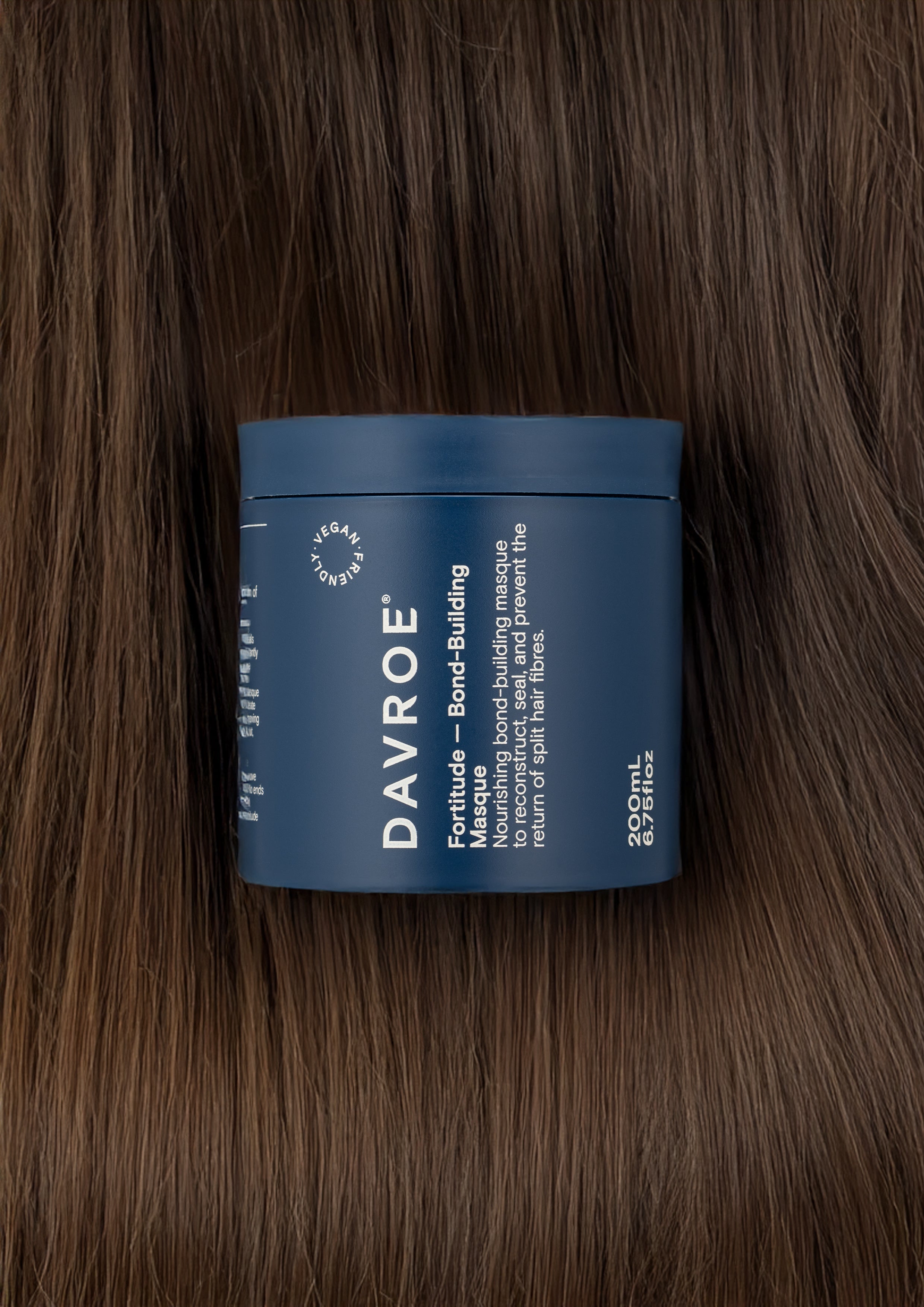
A single wash-day routine won’t fix months of dryness on its own. Thick, frizzy hair generally benefits from a weekly hydrating mask, left on for 10 to 15 minutes under a shower cap before rinsing and sealing with a light oil.
Clarifying shampoo has a place too, but only occasionally. Using it more than once every two to four weeks tends to strip the same moisture you’ve been building, so always follow it with a deep conditioner or mask the same day.
Protein or keratin-focused treatments help when hair feels limp, stretchy or over-processed from colour or heat, but hydration should come first for most people. A few habits to keep in rotation:
- Hydrating mask once a week, rinsed with cool water.
- Clarifying wash only every two to four weeks, followed by deep conditioning.
- Protein treatment occasionally, never as a replacement for moisture.
Quick daily fixes and the right tools for thick hair
Not every day is a wash day, and thick, frizzy hair still needs small touch-ups to look settled.
On second or third days, mist hair lightly with water, scrunch in a small amount of leave-in or curl cream, and let it air-dry again rather than reaching for a full restyle. A tiny amount of oil rubbed between the palms and smoothed over the surface tames flyaways without weighing hair down or looking greasy.
The right tools reduce friction before it becomes frizz:
- A wide-tooth comb for wet detangling, never a fine-tooth comb on wet thick hair.
- A microfibre towel instead of a terry towel, which snags and roughs up the cuticle.
- A diffuser attachment if you blow-dry, to spread airflow and avoid frizz-inducing concentrated heat.
Ingredients worth looking for on the label
Thick, frizzy hair responds best to formulas built around a few proven ingredients rather than long lists of extras.
Argan oil, glycerin and fatty alcohols like cetyl or stearyl alcohol are ingredients the AAD highlights as genuinely useful for curly and coil hair, since they smooth the cuticle and add slip for detangling. Glycerin is a humectant, which means it draws moisture into the hair, helpful in dry conditions but worth using more sparingly in very humid climates where it can pull in excess moisture and cause swelling.

Silicone versus silicone-free is less clear-cut than marketing suggests. Research published in ACS Omega found that carefully formulated silicone-free emulsions can match silicone-containing conditioners on reducing combing friction for damaged hair, so the choice comes down to texture preference rather than performance alone.
For thick hair, richer creams and milks tend to outperform thin liquids, simply because they coat more surface area.
How nightly habits affect frizz the next morning
What happens overnight matters almost as much as what happens in the shower. Loosely braiding hair or gathering it into a pineapple at the crown, then sleeping on a silk or satin pillowcase or under a scarf, cuts the friction that causes overnight tangling and frizz.

Sun and chlorine both dry hair out over time. The AAD links UV exposure to protein breakdown that leaves hair drier and frizzier, so a hat or UV-protective spray before long days outside helps, and a well-chosen cap also prevents hat hair from undoing your styling effort. Before swimming, a leave-in or light oil barrier reduces how much chlorine the hair absorbs.
Conditioning is cosmetic and temporary, not a permanent fix, so expect gradual improvement with consistent care rather than an overnight transformation.
Why salon-tested routines actually work
The steps in this routine aren’t arbitrary. Dermatologists recommend shampooing the scalp rather than the lengths, detangling inside conditioner, blotting instead of rubbing, and limiting heat to low or medium settings, guidance drawn directly from the AAD and Cleveland Clinic.
Conditioning emulsions, including silicone-free formulations, can restore surface hydrophobicity and measurably reduce combing friction on damaged hair. ACS Omega, 2022
We’ve built our own approach around the same principles, using products formulated the way professionals recommend.
A practical note on getting there
Every head of thick, frizzy hair behaves a little differently, so expect some trial and error with quantities and textures before you land on what works. Skip anything promising instant transformation and stick with the basics, consistency does more than any single product ever will.
— Burgs
How ProHair can help you build this routine
We’ve put together the exact categories this routine calls for, so you don’t have to guess which formula does what. Start with a moisturising shampoo and conditioner from our Shampoo + Conditioner range, add a leave-in treatment for daily sealing, and pick up a proper heat protectant before your next straightening session.
For the weekly side of things, our treatments collection covers hydrating masks and repair formulas, while our styling and finishing range rounds out the leave-in to cream to oil layering this guide walks through. Everything ships from local stock.
- Shampoo and conditioner: start here for the wash-day foundation.
- Leave-in treatment: your daily seal against humidity and friction.
- Heat protectant: non-negotiable before any hot tool.
- Weekly treatment: for the mask step and deeper repair.
Browse the full range at ProHair and build your routine one category at a time.
FAQ
What is the difference between dry and frizzy hair?
Dry hair lacks moisture and often feels rough, brittle or dull, while frizzy hair specifically refers to strands that lift away from the hair’s shape, often from humidity or friction. The two frequently occur together, since dry hair is more prone to frizzing when the cuticle is raised and can’t lie flat.
How can I soften hair naturally at home?
Conditioning through the lengths every wash, sealing with a light oil like argan while hair is damp, and reducing wash frequency all help soften thick, frizzy hair over time. A weekly hydrating mask left on for 10 to 15 minutes adds a deeper layer of softness without needing a salon visit.
What are the best hair products for thick, frizzy hair?
Richer creams and milks containing argan oil, glycerin or fatty alcohols like cetyl or stearyl alcohol tend to suit thick, frizzy hair best, since they coat more surface area than thin liquids. A leave-in conditioner, a sealing oil and a heat protectant cover the core of most routines, and our Shampoo + Conditioner range is built around those same ingredient priorities.
Why is my hair extremely frizzy?
Frizz usually comes from a raised cuticle that lets moisture in unevenly, often triggered by humidity, rough towel-drying, dry brushing or repeated high heat without protection. A 2021 study found that humidity itself increases tactile friction in curly hair, which helps explain why the same hair can look calm one day and frizzy the next without any change in products.
Sources
- Tressed to impress: tips for keeping your mane magnificent
- The dirty truth about washing your hair
- Effects of cosmetic emulsions on the surface properties of Mongolian hair
- A Curly Q: Is frizz a matter of friction?