
Protect your hair from UV every morning, rinse it in fresh water before and after any swim, hydrate with a rich mask weekly, keep the heat tools on low, and book a trim every six to eight weeks. That five-step routine covers the biggest causes of summer damage: sun, chlorine, salt, and dry air. Everything below breaks each step into exact products and timing.
TL;DR:
- Regular clarifying shampoos are essential after swimming to remove mineral and chemical buildup that can damage or dull color-treated hair.
- Wearing hats and applying scalp SPF protect against UV damage, which accelerates protein breakdown and color fading in all hair types.
- Reducing heat styling and always using a heat protectant minimizes additional stress on sun-stressed, fragile hair.
- Using rich masks and deep conditioning treatments weekly, or more often after intense sun or pool exposure, restores moisture and rebuilds damaged hair.
- Adapting care routines based on hair type, such as heavier masks for curly hair and lighter clarifying shampoos for fine, straight hair, optimizes summer hair health.
Table of Contents
- Summer hair care: the top 10 tips that actually make a difference
- Swimming and pool or sea care: before, during, and after
- Sun and UV protection for hair and scalp
- Styling and heat: less damage, still good hair days
- Hydration, repair, and maintenance: masks, trims, and wash frequency
- Scalp care and the warning signs worth watching
- Why these tips work: the evidence and where Prohair fits
- Hydration, water, and diet: what’s happening beneath the surface
- Antioxidant ingredients and formulas built for summer damage
- Nighttime routines that undo the day’s damage while you sleep
- How saltwater and chlorine affect different hair types
- A stylist’s morning checklist before a beach day
- Complete your summer routine with Prohair
- Sources
- FAQ
Summer hair care: the top 10 tips that actually make a difference
Most damage over summer isn’t one big event. It’s the accumulation of small exposures, sun, chlorine, wind, sweat, that quietly strip moisture and protein from the hair shaft. Here’s the order of operations that keeps hair in the best shape from December through to February.
- Pre-rinse before swimming. Wet hair with clean tap water and smooth through a leave-in or oil. Saturated hair absorbs less chlorinated or salt water, which limits how much damage gets locked in.
- Switch to a hydrating shampoo and conditioner. Summer heat and sweat dry hair out faster than winter conditions do, so a richer formula earns its place for a few months.
- Apply a leave-in, oil, or protective mist daily. Think of this as your hair’s version of a moisturiser under makeup, it’s the layer that buffers everything else.
- Use a clarifying or swimmer-specific shampoo after chlorinated pools. This clears mineral and chemical buildup that ordinary shampoo can miss.
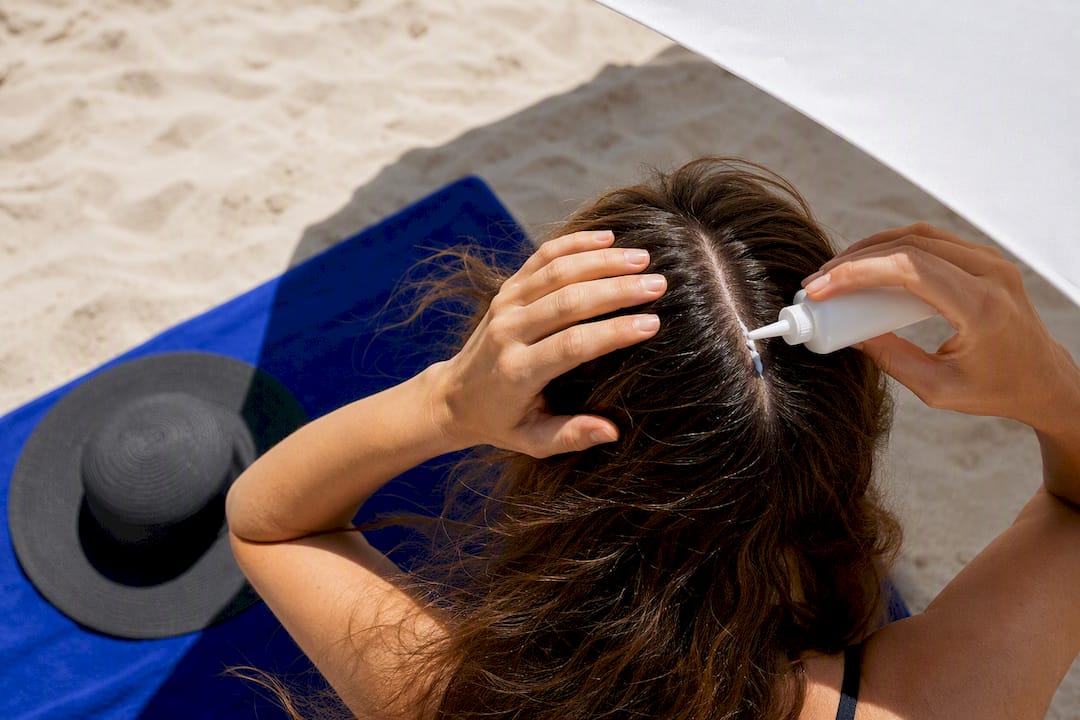
- Wear a hat and apply scalp SPF. The scalp burns just as easily as your shoulders.
- Cut back on heat styling and always use a heat protectant. Sun-stressed hair has less tolerance for added heat damage.
- Deep-condition weekly, or more often after heavy sun or pool exposure. A deep conditioning rinse restores what daily exposure removes.
- Use soft, seamless hair ties and looser styles. Tight elastics on brittle summer hair are a fast route to breakage.
- Book regular trims. Split ends travel up the shaft in heat and humidity; cutting them off early stops the damage spreading.
- Use dry shampoo strategically. It buys you a day between washes without over-stripping natural oils, but don’t let it substitute for an actual wash more than twice in a row.
Pro Tip: Keep a travel-size leave-in and a scalp SPF stick in your beach bag. The two products you’re most likely to skip are the ones that prevent the most damage.
Swimming and pool or sea care: before, during, and after
Chlorine dissolves the natural lipids that hold hair together, and salt water pulls moisture out through osmosis. Board-certified dermatologists point to rinsing thoroughly and switching to a clarifying shampoo after swimming as the single most effective habit for frequent swimmers, followed immediately by a deep conditioner to rebuild what was lost.
- Before: wet hair with fresh water and coat it in a leave-in or oil to reduce how much pool or sea water it can soak up.
- During: wear a swim cap for laps, and avoid tying wet hair back tightly, it’s at its weakest when saturated.
- After: rinse immediately, follow with a clarifying shampoo to lift chemical and mineral residue, then apply a deep conditioner.
- Frequency: daily swimmers should clarify every second day rather than daily, alternating with a gentler hydrating wash to avoid over-stripping colour or moisture.
Colour-treated hair needs the pre-swim barrier step almost non-negotiably, chlorine oxidises artificial pigment fast, and once colour lifts, it doesn’t go back in.
Sun and UV protection for hair and scalp
UV radiation breaks down the protein structure and pigment inside the hair shaft, which is why sun-exposed hair turns brittle and fades faster than hair kept covered. Dyson’s research on summer hair health makes the point plainly: preventing UV exposure works far better than trying to repair the damage afterwards.
- Wear a hat on any day with real sun exposure, it’s the simplest and most complete barrier available; for further tips on protecting hair extensions from sun damage, see Choosing Sunscreen That Won’t Discolor Hair Extensions.
- Reapply a UV hair mist or scalp SPF every couple of hours if you’re outdoors for a full day.
- For thin hair or exposed partings, a stick or powder SPF format makes targeted reapplication far easier than a spray.
- Look for lightweight formulas with antioxidant content rather than heavy, greasy sunscreens made for skin.
Bleached and colour-treated hair fades faster under UV because the cuticle is already more porous. A colour-protecting mist applied before you head outdoors slows that fade noticeably.
Styling and heat: less damage, still good hair days
Summer is the easiest season to put the hot tools away. Air-drying with a lightweight cream, then twisting into loose braids or a bun while damp, gives you soft waves or texture without the heat exposure. For genuine beach texture, avoid salt sprays with high alcohol content, they dry hair out fast; a lighter, glycerin-based texturiser gets a similar look without the trade-off.
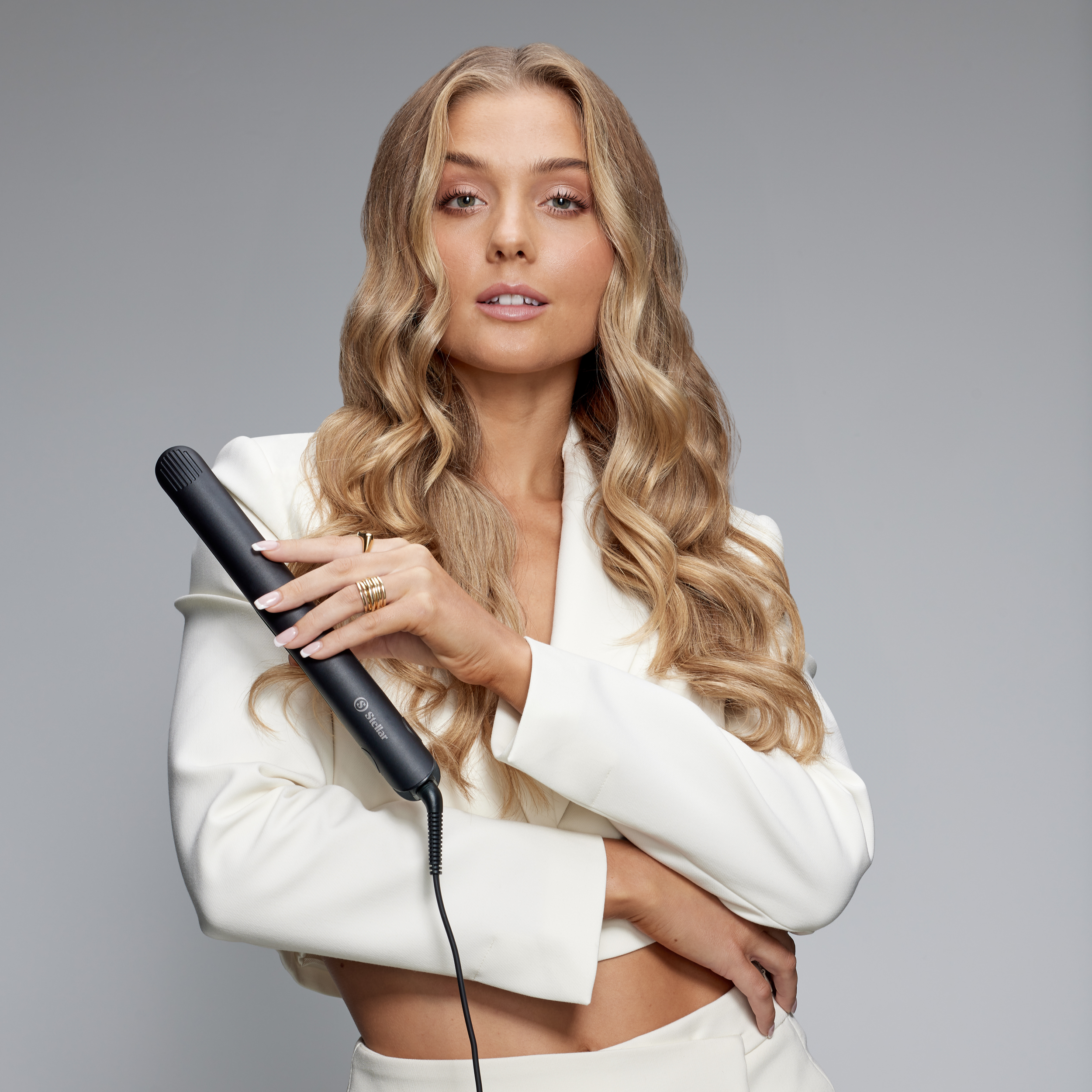
- If you do use heat, keep dryers and irons on a lower setting than you would in winter, sun-stressed hair has less tolerance for added heat.
- Always apply a heat protectant first, no exceptions, even for a “quick” five-second touch-up.
- Carry a light finishing mist or leave-in for midday refreshes on long outdoor days, a small spritz revives limp strands without a full restyle.
Hydration, repair, and maintenance: masks, trims, and wash frequency
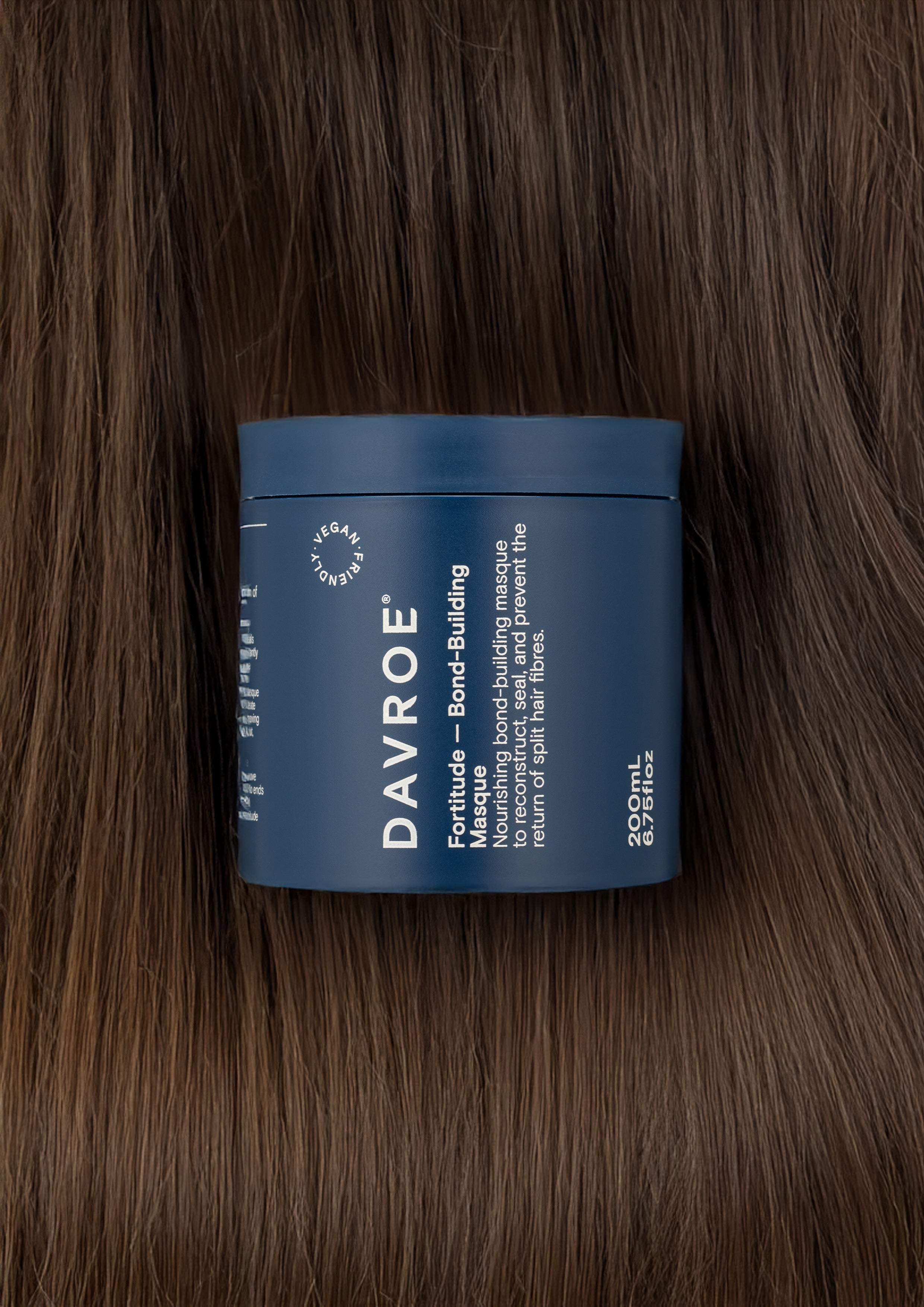
Some colourists recommend swapping conditioner for a hydrating mask after shampooing through the hottest months, since ordinary conditioner often can’t replace what sun and salt remove.
- Use a mask weekly as standard, and increase to twice weekly after a week of heavy swimming or sun exposure.
- Balance protein and moisture treatments, protein rebuilds structural strength, moisture softens and smooths; overusing one at the expense of the other leaves hair either brittle or limp.
- Wash frequency depends on sweat and oil buildup rather than a fixed rule, use dry shampoo on in-between days rather than stripping hair with a wash it doesn’t need.
- Book a trim every six to eight weeks over summer. Split ends that travel unchecked up the shaft turn a small fix into a much bigger one by autumn.
Scalp care and the warning signs worth watching
Your scalp is an extension of your facial skin, and it burns just as easily. Dermatologists note that scalp sunburn can cause itching and flaking in the short term, and contributes to follicle ageing over time.
- Apply a scalp-formulated SPF, and use a stick or spray specifically along exposed partings.
- After a hot, sweaty day, cool the scalp down with a gentle cleanser or a soothing spray rather than a heavy product.
- See a GP or dermatologist if you notice persistent burning, severe flaking, or unusual hair thinning, these aren’t things to wait out.
- If your area has hard water, a clarifying treatment or a shower filter reduces the mineral buildup that dries hair and dulls colour.
Why these tips work: the evidence and where Prohair fits
Every recommendation here traces back to dermatology guidance and salon experience, not guesswork. Prevention (hat, scalp SPF, barrier oils) and immediate rinsing after water exposure consistently show up as the highest-return habits in dermatology advice. Prohair’s formulas are trusted by more than 500 salon accounts, which matters because salon-grade products are built to hydrate, protect colour, and clarify after swimming without the compromises found in some supermarket ranges.
Hydration, water, and diet: what’s happening beneath the surface
Topical products only do half the job. Hair follicles draw nutrients from your bloodstream, so dehydration and poor diet show up in your hair before they show up anywhere else visible.
Summer heat increases fluid loss through sweat, and most people don’t compensate by drinking more. Chronic mild dehydration thickens the scalp’s oil (sebum), which can clog follicles and leave hair looking flat and dull rather than glossy. Aim to top up water intake noticeably on hot or active days, more than usual, and treat it as part of your hair routine rather than a separate health habit.
Diet plays a similar background role. Hair is largely protein, so adequate protein intake supports the keratin structure that heat and UV are working to break down. Foods rich in omega-3 fatty acids (oily fish, walnuts, flaxseed) support scalp condition, while iron and zinc deficiencies are commonly linked to hair thinning and slow growth. None of this replaces a good topical routine, but a poor diet undercuts even the best products you’re using.
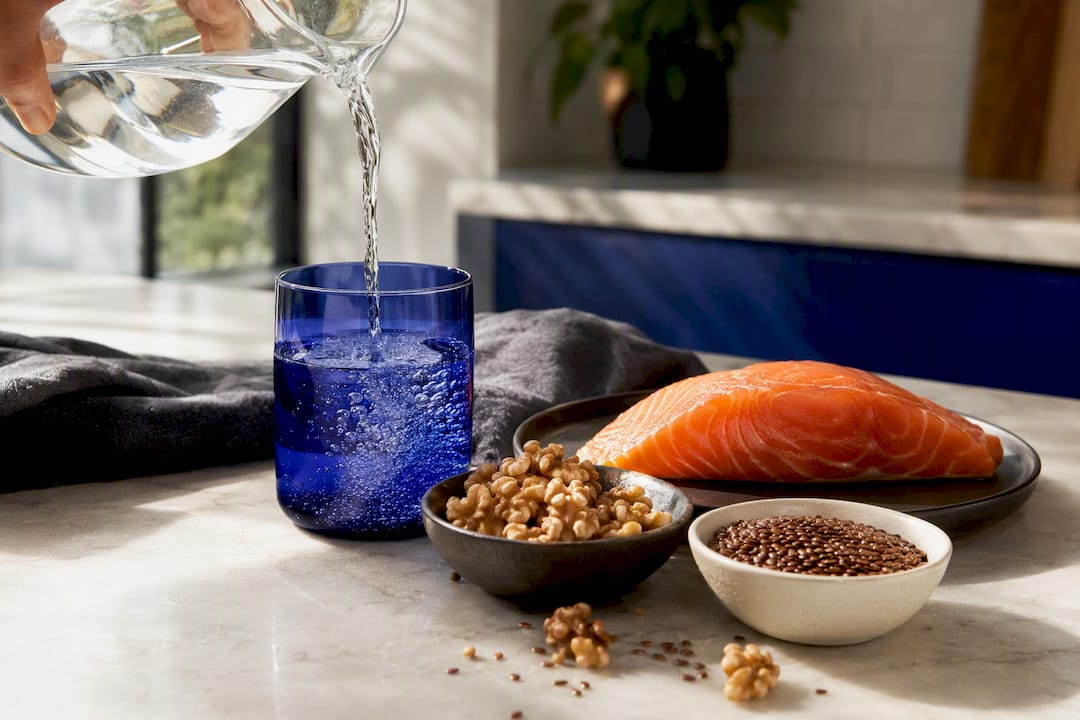
Electrolytes matter too, not just plain water. If you’re sweating heavily at the beach or during outdoor exercise, a diet with enough sodium and potassium helps your body actually retain the fluid you’re drinking rather than losing it just as fast. It’s a small detail, but it’s the difference between hydration that sticks and hydration that doesn’t.
Antioxidant ingredients and formulas built for summer damage
Certain ingredients are specifically suited to counteracting what summer throws at hair: UV oxidation, chlorine stripping, and free radical damage from sun exposure.
Antioxidants like vitamin E, green tea extract, and niacinamide neutralise free radicals generated by UV exposure before they can break down protein bonds in the hair shaft. Some protective mists now rely on these antioxidant or “quencher” technologies rather than traditional chemical UV filters, giving a lighter, more cosmetically pleasant finish that doesn’t leave hair feeling coated.
Look for panthenol (provitamin B5) for moisture retention, and lightweight silicones or polymer serums, which smooth the cuticle in humid climates without adding heavy product weight. These work well layered under a UV mist rather than instead of one. For colour-treated hair specifically, seek out formulas that pair antioxidants with UV filters together, since colour fade is driven by both oxidation and direct light exposure, not one or the other. A colour-protective mist that does both jobs at once saves a step in a routine that’s already got enough of them over summer.
Ingredient labels matter more in summer than any other season. A shampoo that works fine in winter can leave hair feeling stripped once you add chlorine, sweat, and three extra washes a week into the mix.
Nighttime routines that undo the day’s damage while you sleep
What you do before bed matters almost as much as what you do in the morning, because overnight is when repair actually happens, not during the day when hair is being exposed to stress.
Rinse or lightly rewet hair that’s been in chlorine or salt water before bed rather than sleeping in it overnight; residual chemicals and salt keep drawing moisture out of the shaft for hours. Apply a leave-in treatment or a few drops of oil to the ends before sleep, this is when a rich product has time to properly absorb without being disturbed by wind, sun, or a hat.
Switch to a silk or satin pillowcase over summer if you haven’t already. Cotton pulls moisture from hair and creates friction that roughs up the cuticle overnight, exactly the opposite of what sun-stressed hair needs. Loosely braid longer hair before bed to reduce tangling and breakage from tossing and turning on hot nights, a tight braid works against you here, so keep it soft.
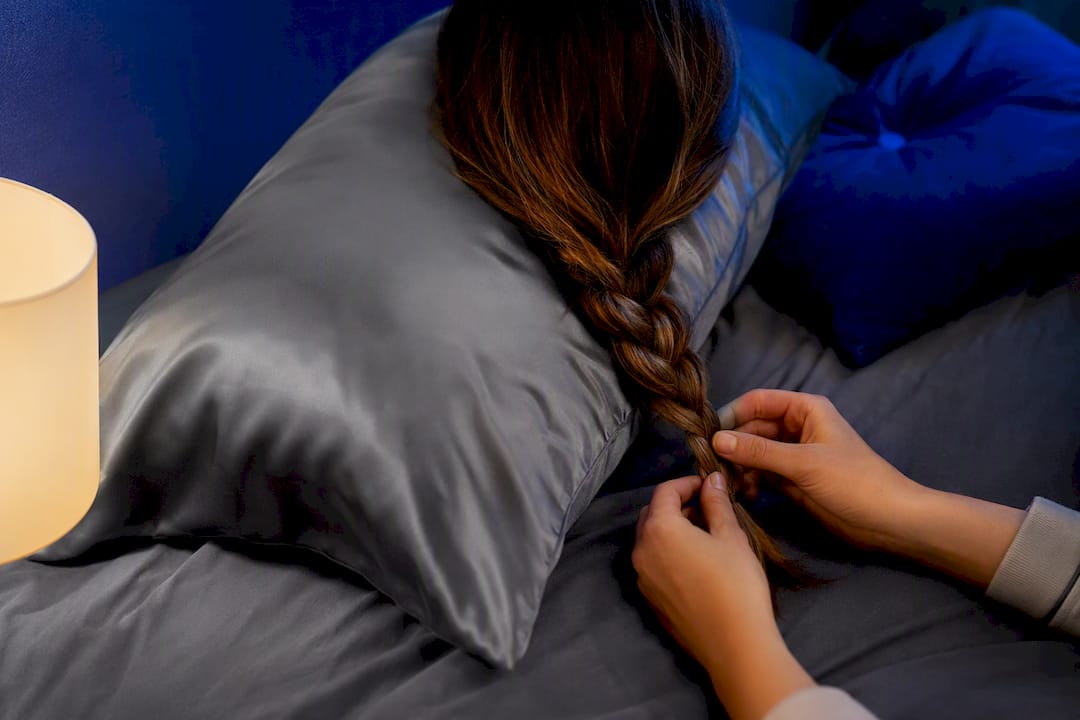
If you’ve applied a mask earlier in the evening, sleeping in a loose bun with a soft scrunchie lets it keep working overnight without transferring product onto your pillow. This is also the ideal time to use a leave-in treatment on split or fragile ends, since there’s no styling or sun exposure to compete with as it absorbs.
How saltwater and chlorine affect different hair types
Not all hair responds to pool and ocean exposure the same way, and adapting your care to your hair type matters more than following one generic rule.
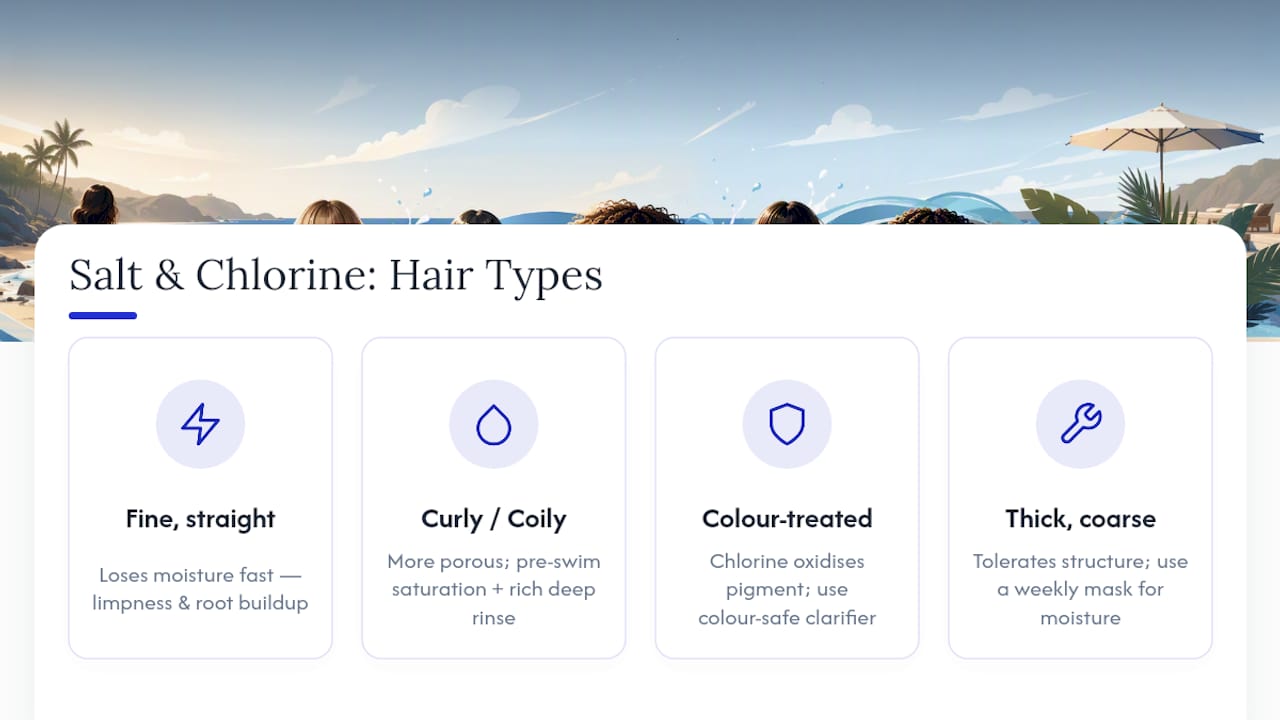
Fine, straight hair loses moisture fast in salt water but rarely feels as brittle afterwards as thicker hair does; the main risk is limpness and buildup near the roots. A lightweight clarifying shampoo used every second swim day, rather than daily, keeps it from feeling flat without over-stripping.
Curly and coily hair is more porous by nature, which means it absorbs chlorine and salt more readily and loses moisture faster once the cuticle opens. This hair type benefits most from the pre-swim saturation trick, since it has more capacity to soak up whatever water hits it first. A rich deep conditioning rinse after swimming does more for curl definition and moisture than a standard conditioner will.
Colour-treated hair of any texture is the most vulnerable to chlorine specifically, because chlorine oxidises artificial pigment molecules directly, not just the hair’s natural structure. Fading happens faster in the pool than in the sun alone. A colour-safe clarifying formula, rather than a strong swimmer’s shampoo, removes buildup with less pigment loss.
Thick, coarse hair tolerates chlorine and salt slightly better structurally but shows dryness and dullness more visibly, since natural oils struggle to travel the full length of the shaft even without added exposure. This texture benefits from a weekly mask rather than a rinse-out conditioner through the peak swimming months.
A stylist’s morning checklist before a beach day
Before a day in the sun and water, run through this fast: pre-rinse hair with fresh water and smooth through a leave-in or oil, top up any mist or serum you’re already using, grab a hat, and apply scalp SPF along the part. The moment you’re out of the water, rinse again before the salt or chlorine has time to set in.
This is the sequence Prohair’s formulas are built around, prevention first, repair second. If your hair had a rough week of pool days, that’s the cue for a deep conditioning mask, not a wait-and-see approach.
— Burgs
Complete your summer routine with Prohair
Prohair gives you the exact salon-grade products this routine calls for, delivered to your door instead of hunting through supermarket shelves for something that actually works.
For the hydration step, the CURLiCUE Deep Conditioning Rinse works as a weekly mask replacement for anyone dealing with dryness or curl definition loss. If colour fade from chlorine or UV is your bigger concern, the KOBO Color Protect Mist combines lightweight daily protection with colour-locking benefits in one step. Fine or straight hair types generally do better starting with a clarifying shampoo and a light leave-in, while curly, coily, or colour-treated hair usually needs the richer mask and a dedicated colour-protect step from the outset.
Every formula sold on the Prohair range is the same salon-grade product used across more than 500 salon accounts, and orders over $100 ship free. Browse the range and build your summer kit around whichever step your hair needs most right now.
Sources
- Must-try summer hair care — American Academy of Dermatology (AAD)
- Summer hair care: how to keep your hair healthy — Dyson
- Best ways to protect your hair from sun damage — Cleveland Clinic
FAQ
How do I take care of my hair in summer?
Protect it from UV daily with a hat or hair mist, rinse thoroughly before and after swimming, switch to a richer conditioner or weekly mask, cut back on heat styling, and book regular trims to stop split ends travelling up the shaft.
What are the best hair products for summer?
A hydrating shampoo and conditioner, a leave-in or UV-protective mist, a clarifying shampoo for after swimming, scalp SPF, and a weekly deep conditioning mask cover the core of a summer routine. Salon-grade formulas from ranges like Davroe and KOBO, available through Prohair, are built specifically for these conditions.
What should I do with my hair in hot weather?
Keep it protected from direct sun with a hat, avoid tight styles that stress heat-weakened strands, and switch heat tools to a lower setting with a protectant applied first, or skip heat styling altogether in favour of air-drying.
Do I need to wash my hair more in summer?
Not necessarily more often, but differently. Sweat and pool exposure mean you’ll clarify more regularly to remove buildup, while dry shampoo can bridge the gap between washes so you’re not over-stripping natural oils.
How often should I deep-condition my hair in summer?
Once a week is the standard recommendation, increasing to twice a week during periods of heavy swimming or sun exposure, since chlorine and UV both strip moisture and protein faster than winter conditions do.