
The fastest fix for second day hair is a targeted refresh: absorb oil at the roots, lift the crown, and reset shape only where it has collapsed. Reach for a dry shampoo or oil blotting powder plus a teasing comb or your fingers. Done properly, this takes 3 to 10 minutes and skips a full restyle entirely.
TL;DR:
- Absorbing oil at the roots with dry shampoo or blotting powder is the most effective step and should be targeted to the crown and hairline first.
- Fine or flat hair benefits from light powders and minimal product to maintain volume, avoiding creams that weigh it down, while coarser hair can handle more product and longer root blasts.
- Using a silk pillowcase and a loose overnight braid helps preserve hair texture and shape for easier styling the next day.
- A targeted mist or small heat tool is preferable to full rewets or reblow-drying, especially for curly or wavy hair to prevent frizz and maintain curl integrity.
- The essential second-day kit includes a dry shampoo, a rapid dry wrap, and a light texturizer to simplify maintenance and extend freshly styled hair.
Table of Contents
- A quick six step refresh routine you can do in under ten minutes
- Style fixes by hair type: what to do and what to avoid
- Overnight tricks that make day-two styling easier
- Salon-grade tools that make targeted refresh work
- Hairstyles that suit second-day hair
- Common mistakes that ruin a second-day style
- Products made for second-day hair care and styling
- Why second-day hair is worth embracing
- A simple second-day starter kit worth keeping on hand
- Sources
- FAQ
A quick six step refresh routine you can do in under ten minutes
Second day hair usually has the same three problems: oily roots, a flat crown and lost definition through the ends. You do not need to rewash or reheat your whole head to fix them. Working zone by zone keeps the routine quick and stops you from over-producting hair that is already styled well in most places.
- Assess and split into zones. Check your roots, fringe, crown and ends separately, since day-two damage is rarely even across the whole head.
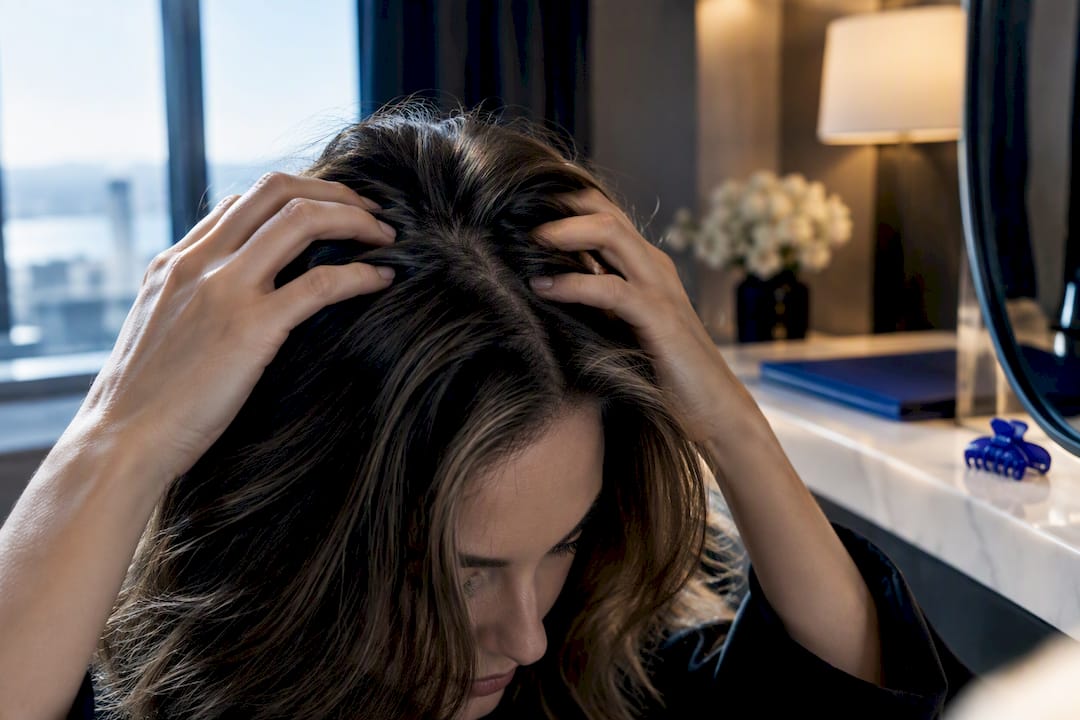
- Absorb oil at the roots. Apply dry shampoo or blotting powder directly to the scalp, focusing on the crown and hairline, then work it in with your fingertips.
- Rebuild volume at the crown. Use a clip to lift roots while you finish the rest, or backcomb lightly with a teasing comb; a low-heat root blast with a hairdryer works too if roots feel flat rather than oily.
- Revive texture through the midlengths and ends. A curl refresher mist or a quick pass with a small barrel iron brings back shape; if hair is straight and dry, a tiny amount of oil on the ends smooths flyaways instead.
- Finish and set. A light hold spray locks in the lift, while a small amount of flexible pomade tames flyaways without weighing hair down.
- Check from all angles. A quick look in natural light catches any missed patches before you leave the house.
Fine hair needs a lighter hand throughout: a pea-sized amount of product and a few seconds of heat is usually enough. Coarser or thicker hair can take more dry shampoo and a longer root blast without looking overdone. Absorbing oil before styling, rather than adding more leave-in product, is the step most second-day guides return to first, and a full second blow-dry is rarely necessary.
Pro Tip: Work dry shampoo into dry hair with your fingers, not a brush. Brushing spreads oil down the shaft before the product has time to absorb it.
Style fixes by hair type: what to do and what to avoid
Second day hair behaves differently depending on texture, so the same fix will not work for everyone.
- Fine or flat hair: use a powder-based dry shampoo at the roots for volume without buildup, lift with a clip while you finish other zones, and skip creams, which weigh fine strands down fast.
- Oily hair: absorb oil aggressively at the scalp and avoid touching the roots with any oil-based product; if the ends look dry, treat them separately with a light serum rather than reworking the whole head.
- Wavy, curly or coily hair: mist only the sections that have gone flat or frizzy with water or a curl refresher, scrunch from ends toward the scalp, and avoid brushing dry curls, which breaks up the curl pattern rather than restoring it.
- Frizzy or humidity-prone hair: smooth a small amount of oil onto damp ends, then seal with a frizz-control cream while hair is still slightly damp from misting.
Natural oils that build up overnight are not entirely a problem. Stylists note that these oils restore shine and help hair hold its shape for longer, which is part of why second-day styling often needs less product than a fresh wash and blow-dry.
Pro Tip: For curls, a targeted mist and a finger scrunch beats a full rewetting almost every time. Handling curls too much while they dry is what causes frizz, not the humidity itself.

Overnight tricks that make day-two styling easier
A few minutes before bed saves a lot of morning work.
- Tie hair into a loose braid, loose bun or a high pineapple for curls. A tight style leaves dents; a loose one holds shape without flattening it.
- Choose a silk or satin pillowcase over cotton. Cotton creates friction that flattens curls and roughs up the cuticle, while silk lets hair slide rather than compress.
- If you shower at night, a rapid dry microfibre wrap or shower cap stops hair drying flat against a damp pillow.
- If you still wake up with a compressed patch, a quick finger-tease, a light mist and a scrunch usually fixes it in under a minute.
Combining a silk pillowcase with a loose overnight braid tends to give the best balance of definition and minimal effort the next morning. For more heatless options, a heatless overnight curl method can set you up for an easier second day from the start.
Salon-grade tools that make targeted refresh work
A handful of products do most of the work in a second-day routine, and having the right ones on hand makes the six-step refresh faster and more reliable.
- A salon dry shampoo for root oil absorption. Use a light dusting for fine hair and a slightly heavier application at the roots for thick or coarse hair.
- A curl refresher mist or lightweight texturiser to revive collapsed waves or add grip to flat, fine hair.
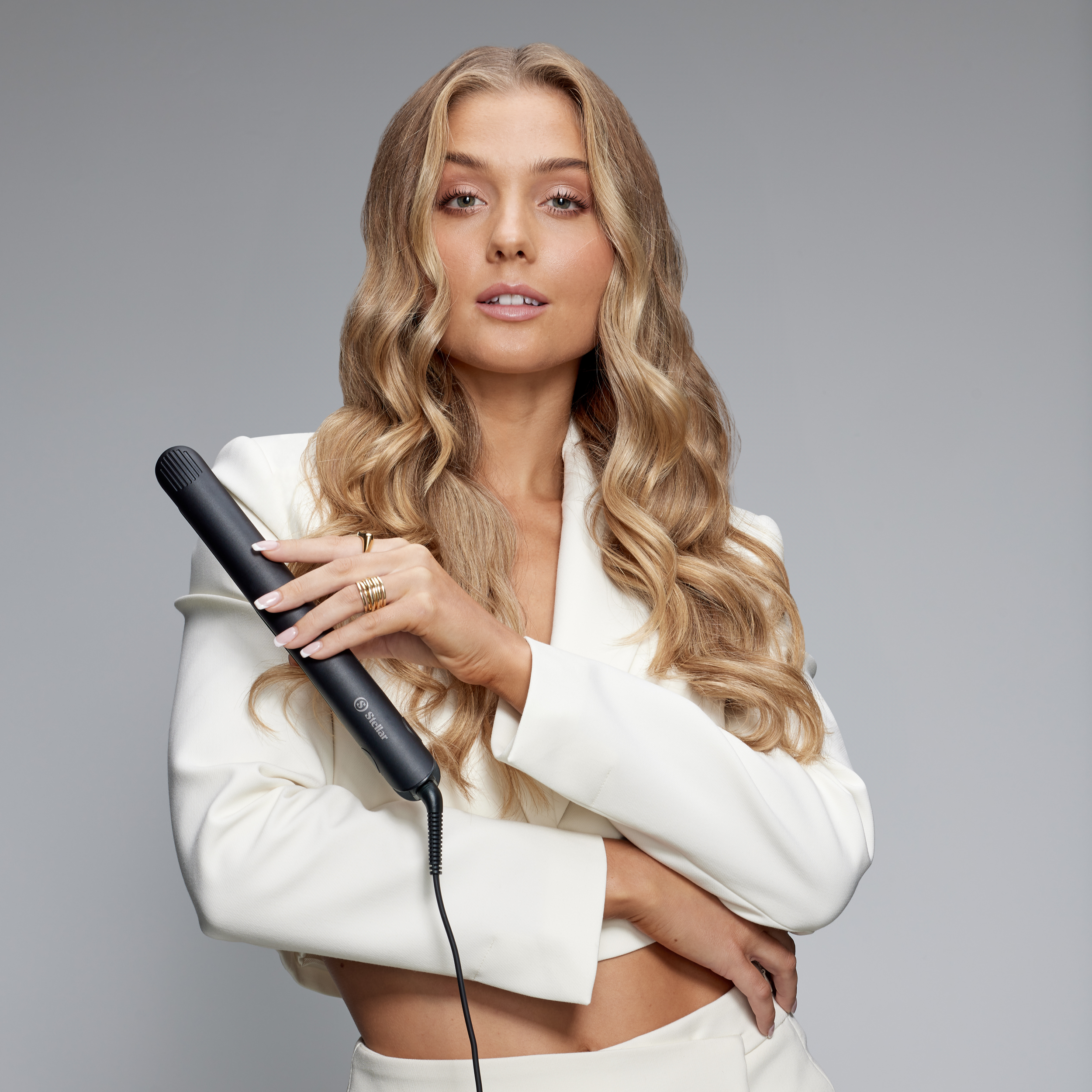
- A small barrel tong for quick touch-ups at the crown or around the face without restyling the whole head.
- A microfibre rapid dry wrap to cut drying time and reduce frizz after a late shower.
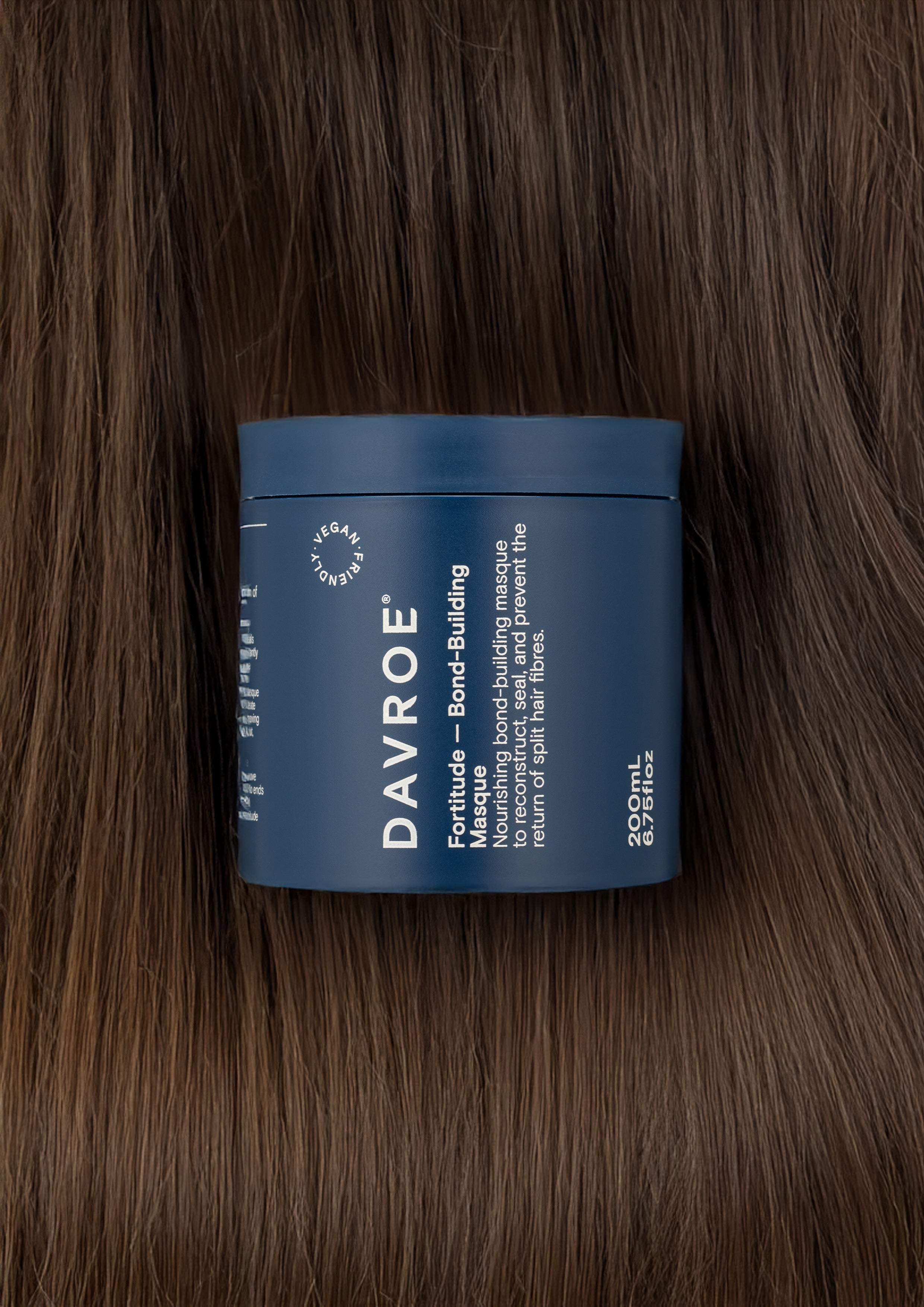
Davroe Revive Dry Shampoo is built for this kind of targeted root refresh, absorbing oil at the scalp without leaving the powdery cast some formulas do. For textured hair, the Davroe CURLiCUE Hydrating Hair Oil works best applied sparingly to the ends only, never the scalp, to smooth frizz without weighing curls down. The Davroe CURLiCUE Rapid Dry Hair Wrap is a straightforward way to protect shape overnight or speed up drying after an evening wash.
Some formulations are trusted by over 500 salon accounts, which is part of why these products turn up in professional refresh routines rather than just at-home guesses.
As Burgs from ProHair puts it, the products that work best for second-day styling are the ones designed to target a zone, not rework the whole head, which is exactly the principle behind this routine.
Hairstyles that suit second-day hair
Some styles hide day-two texture better than a fresh blow-dry ever could, because they rely on grip rather than movement.
A low or high bun smooths flyaways at the crown while using the extra texture in the lengths to hold its shape, and a hair donut or bun former makes this quicker if your hair feels slippery from added oil. A slicked-back style turns oily roots into an advantage, since the same natural oils that flatten hair also help it stay glued down for a sleek finish. A half-up style lifts the crown away from the scalp, hiding flatness while leaving definition in the lower half visible. Braids, whether a single plait, a few loose fishtails or a simple three-strand, use grip from second-day texture to hold their shape longer than they would on freshly washed, slippery hair.

All four options share one advantage: they work with the extra texture and oil in second-day hair rather than fighting it, which is why they usually look more polished on day two than day one.
Common mistakes that ruin a second-day style
The biggest mistake is treating day two like a smaller version of wash day. A full rewetting and reblow-dry strips out the texture that was making the hair easier to style in the first place, and guides on second-day care consistently warn against it. Applying more leave-in conditioner or heat protectant on top of yesterday’s product is another common error, since it usually causes buildup rather than a refresh.
Brushing curly or wavy hair while it is dry breaks up whatever curl pattern survived overnight, and it is one of the fastest ways to create frizz rather than fix it. Using too much dry shampoo at once, rather than a light layer worked in properly, leaves a visible cast, particularly on darker hair. Skipping the crown entirely and focusing only on the ends is another gap: a flat crown is usually the most visible part of second-day hair, so it deserves attention first, not last.
Products made for second-day hair care and styling
A handful of product types are built specifically for this job rather than for washing hair, and they belong in a second-day kit.
Dry shampoos like Davroe Revive Dry Shampoo absorb oil at the roots without a full wash, and this is the category doing most of the practical work in a day-two routine. Lightweight texturising and finishing sprays rebuild grip and hold at the crown, which suits fine or flat hair that has lost lift overnight. Curl-specific creams and oils, such as the Davroe CURLiCUE Hydrating Hair Oil, revive shine and smooth frizz on the ends without restyling the whole head. A carbon teasing tail comb gives fine hair lift at the crown with none of the visible bulk a full backcombing session leaves behind.
None of these replace your regular shampoo and conditioner, since they are designed to extend a style rather than clean hair. Used together as part of the targeted refresh routine above, they cover the roots, crown and ends, which is where second-day hair actually needs the help.
Why second-day hair is worth embracing
Second-day hair often styles more easily than fresh-washed hair, and treating it as a problem to fix rather than a texture to use is where most people go wrong. Natural oils rebuild memory and hold, so a targeted mist or a quick crown lift usually beats a full restyle. Give it a week and the routine becomes second nature.
— Burgs
A simple second-day starter kit worth keeping on hand
Building the routines above into a habit is easier with three products within reach: a dry shampoo for the roots, a microfibre rapid dry wrap for overnight or post-shower protection, and a lightweight texturiser for the crown and ends. Together they cover every zone in the six-step refresh without needing a full wash.
- Davroe Revive Dry Shampoo for fast root oil absorption.
- Davroe CURLiCUE Rapid Dry Hair Wrap to protect shape overnight.
- Styling and finishing products for crown lift and texture through the ends.
The company ships nationwide from local stock, with free shipping on orders over a certain amount, so a starter kit like this is easy to have ready before your next second-day morning. Browse the full range at ProHair to build one that suits your hair type.
Sources
- Why second‑day hair looks—and feels—much better | Vogue
- Would I suit a short hair cut? The 2.25 rule can help you decide | HuffPost UK
- 5 must‑know second‑day hair tips and tricks | RealSimple
FAQ
What hairstyles work for second-day hair?
Buns, half-up styles, slicked-back looks and braids all work well because they use second-day grip and oil rather than fighting it. A low bun or slick-back is particularly forgiving on oily roots, while a half-up style hides a flat crown.
What should day-two hair look like?
Day-two hair should look smoother at the roots and slightly more textured through the lengths than freshly washed hair, since natural oils help restore shine and hold. Some flatness at the crown or oil near the hairline is normal and easily fixed with a quick root refresh rather than a full rewash.
Is day one or day two better for styling?
Many stylists find day two often holds a style better than day one because natural oils restore texture and give hair more memory to work with. Day one hair can be slippery and harder to hold in place, particularly for curls or updos.
What is the 2.25 rule for hair?
The 2.25 rule is a stylist-developed guideline, not a scientific measure, used to judge whether a short haircut might suit a face shape by measuring with a pencil and ruler. It is a rough starting point only, since texture, lifestyle and personal preference matter just as much as the measurement.