
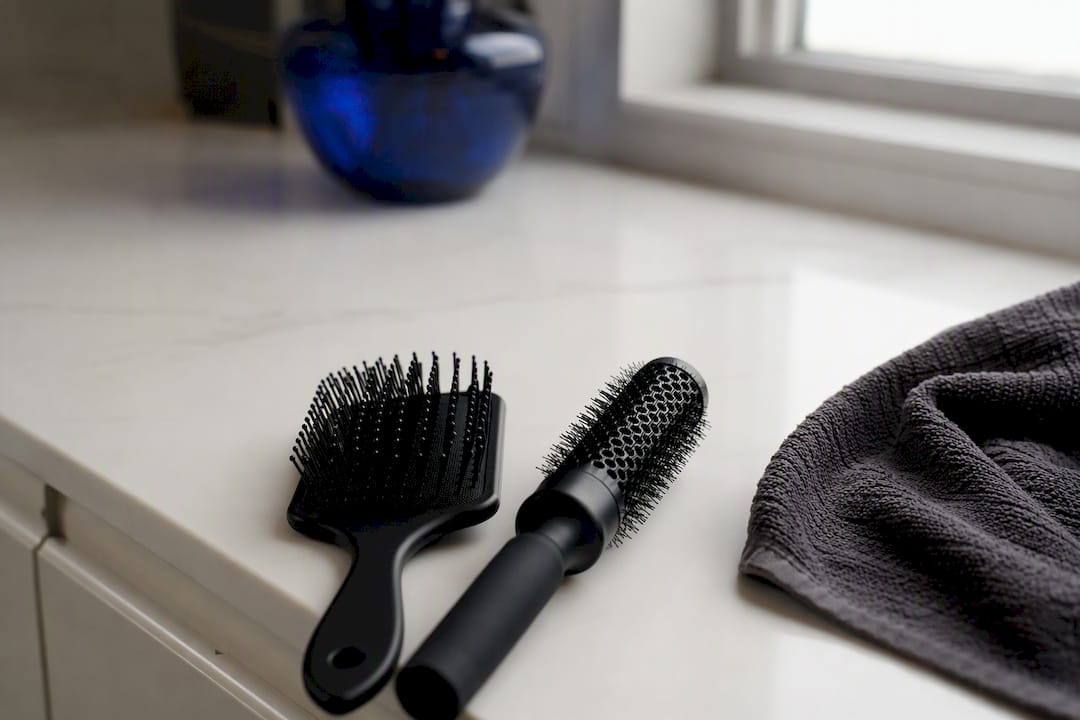
For daily detangling and a sleek finish, use a paddle brush. For blow-dry volume, curl, and shape, reach for a round brush. Most healthy hair routines actually need both: a paddle brush to prep and smooth, and a round brush to finish and style. If you’re building a home styling kit, Prohair stocks salon-grade versions of both, so you’re not guessing at quality when you buy.
Key Takeaways
The choice between a paddle brush and a round brush comes down to one question: are you smoothing hair or shaping it?
| Point | Details |
|---|---|
| Paddle brush for daily care | Use it to detangle, smooth, and distribute oils across long or thick hair. |
| Round brush for styling | Use barrel diameter (25 to 35mm for curl, 50mm+ for volume) to control the finished shape. |
| Heat safety depends on barrel | Ceramic or coated barrels distribute heat evenly; bare metal can overheat sections of hair. |
| Technique takes practice | Round brushes are technique-dependent; paddle brushes are close to foolproof for beginners. |
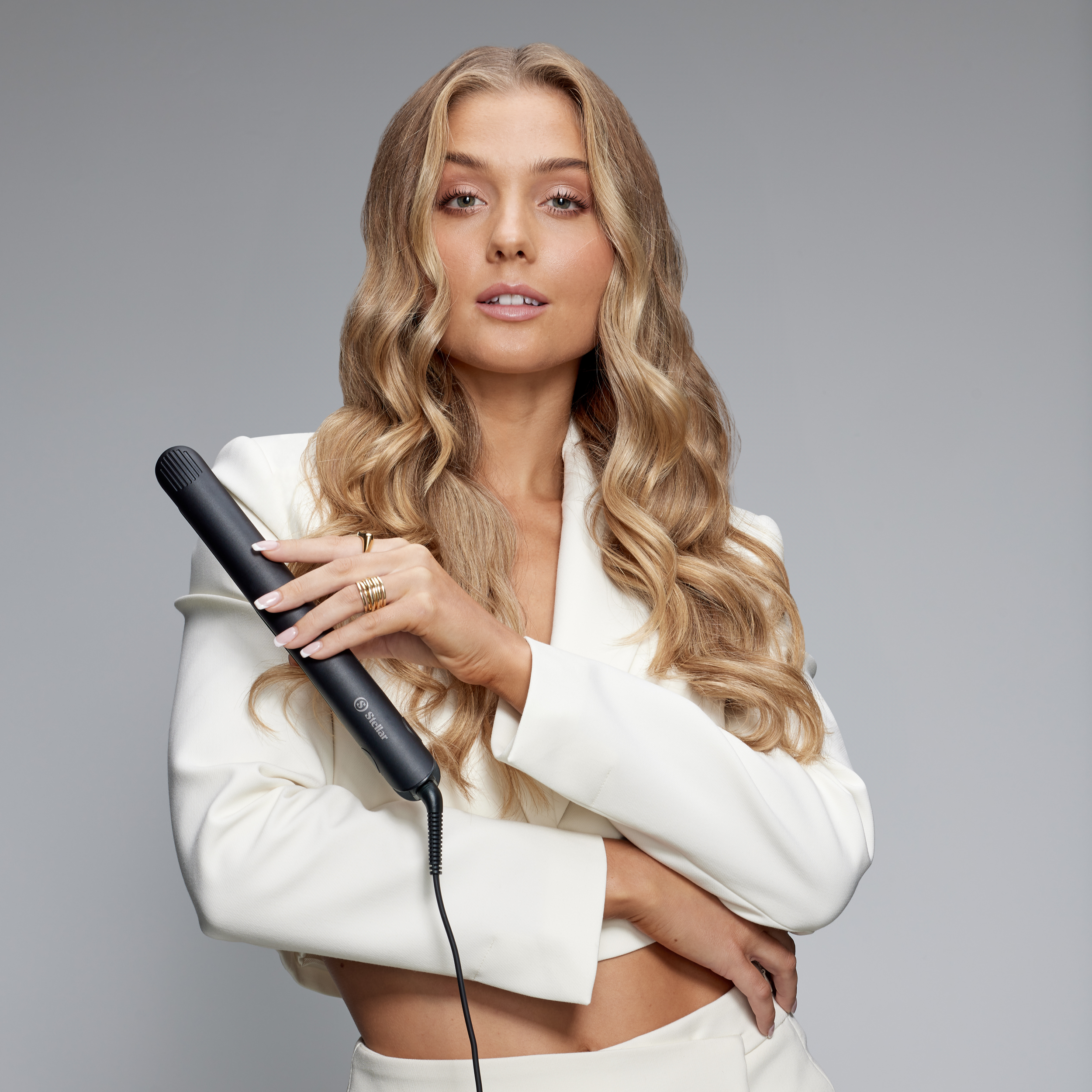
| Salon-grade option | The Stellar HeatSense Round Brush 33mm from Prohair matches the barrel and heat-safety guidance above. |
Table of Contents
- Paddle brush explained: design, bristles, benefits and limits
- Round brush explained: barrels, diameters, bristles and styling outcomes
- Paddle vs round brush: the direct differences that matter
- How to choose the right brush for your hair
- How to use each brush without damaging your hair
- The salon-grade pick worth knowing about
- Sources
- FAQ
Paddle brush explained: design, bristles, benefits and limits
A paddle brush has a flat or gently oval head, usually set on a cushioned base that flexes slightly against the scalp. The bristles sit close together in even rows, which is what lets the brush cover a large section of hair in one stroke. That broad, flat surface is exactly why it’s so effective at detangling and smoothing long hair, rather than shaping it.
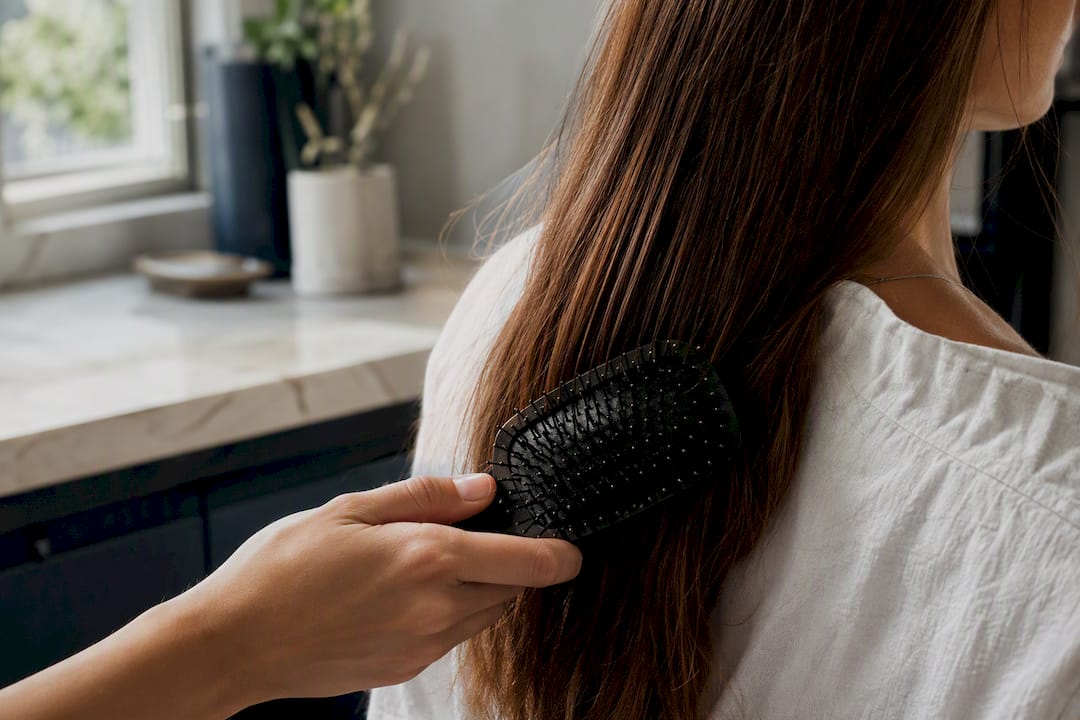
Bristle choice changes the feel and the result. Nylon pins grip and detangle well, boar bristles smooth the hair’s outer layer and add shine by redistributing natural oils, and mixed bristle brushes try to do a bit of both. Thicker, coarser hair generally tolerates firmer nylon pins; fine or damaged hair does better with softer boar or mixed bristles that don’t tug at weak strands.
What a paddle brush does well:
- Detangles quickly across large sections of hair, wet or dry
- Distributes scalp oils down the shaft, which cuts down on dryness and frizz
- Smooths the surface for a sleek, straight finish without added volume
- Feels comfortable on the scalp thanks to the cushioned base
- Suits long, thick, or straight hair that needs coverage over shaping
Where it falls short: a paddle brush cannot create curl, lift, or shape. Its flat head has no barrel to wrap hair around, so it flattens rather than builds volume. Using one with overly stiff pins on fine or chemically treated hair can invite breakage, since there’s nothing to cushion the pull.
Pro Tip: Always brush from the ends upward when detangling. Starting at the roots drags knots down the full length of the hair and does more damage than the knot itself.
Round brush explained: barrels, diameters, bristles and styling outcomes
Barrel diameter is the single biggest factor in what a round brush can do to your hair, more important than any “size” label on the packaging. Small barrels, in the 25mm to 35mm range, wrap tightly and produce defined curls or tight bounce. Barrels 50mm and above stretch hair with less curvature, giving loose waves or straight volume at the root, which is why stylists reach for larger barrels when a client wants body rather than ringlets.
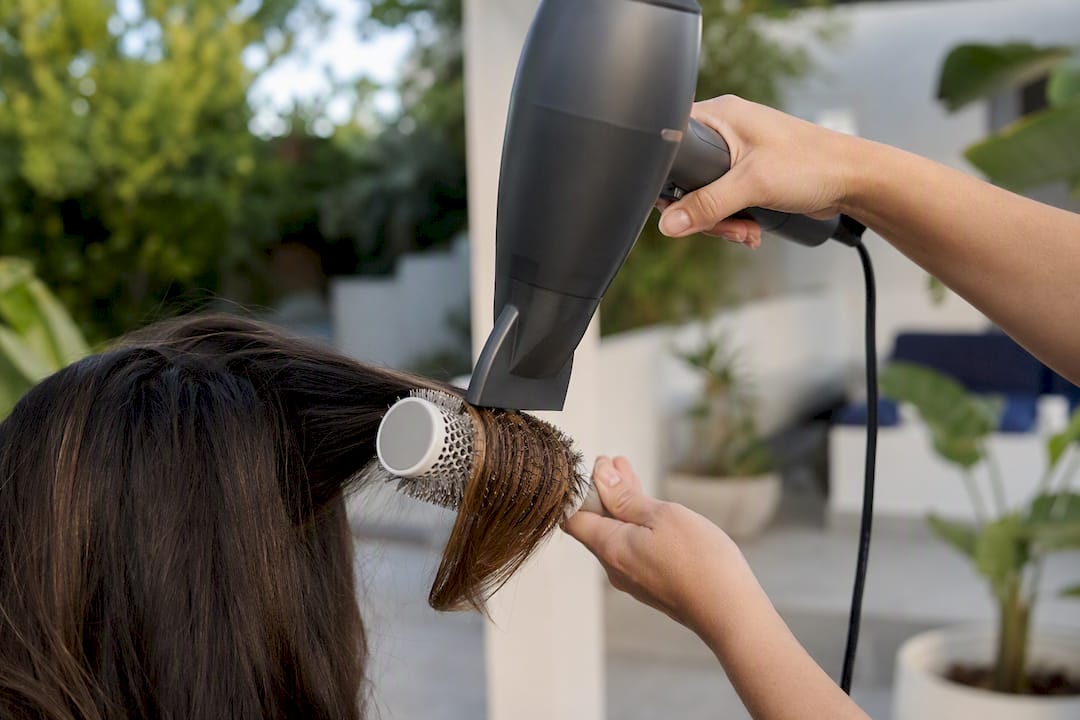
Barrel material matters just as much as size. Ceramic barrels heat evenly and hold warmth long enough to set a shape without scorching the cuticle. Metal barrels heat fast but unevenly, and without a heat-safe coating they can overheat localised sections of hair, which is a real risk for colour-treated or fine hair. Wood barrels don’t conduct heat well at all, so they’re better suited to brushing rather than heat styling.
Quick reference for outcomes:
- 25 to 35mm barrel: tight curls, defined ringlets, short to medium hair
- 35 to 45mm barrel: loose curls with movement, medium to long hair
- 50mm and above: volume and soft waves, long or thick hair
- Boar bristles: added shine and polish, best on finer hair
- Nylon bristles: stronger grip and tension, better for coarse or thick hair
A round brush needs a blow-dryer to do its job. It works best once hair is partly dry and already detangled. Using one on very wet hair may increase snagging and lead to unnecessary heat exposure while you struggle for grip.
Paddle vs round brush: the direct differences that matter
The core distinction comes down to function. A paddle brush aligns hair flat and straight, working the strands into a smooth plane. A round brush wraps hair around a cylinder, creating tension and curvature. One source describes this as planar alignment versus cylindrical shaping, and it’s a useful way to picture why the two tools never really compete for the same job.
Hair type suitability follows from that mechanical difference:
- Long, thick, or straight hair generally responds better to a paddle brush for daily upkeep
- Fine, curly, or wavy hair benefits more from round brush shaping to add or control texture
- Damaged or chemically treated hair needs softer bristles regardless of brush shape
- Extensions need gentler handling with either brush, since the bond points are more fragile than natural roots
Heat and damage risk sit mostly with the round brush, because that’s the tool doing the heat styling. Ceramic and coated barrels spread heat more evenly and reduce the chance of a hot spot scorching one section of hair. Paddle brushes carry less heat risk day to day, but stiff pins on fragile hair still cause mechanical breakage over time, just from friction rather than heat.
Ease-of-use is the other big gap. A paddle brush is close to foolproof: pull it through hair, done. A round brush demands coordination between the dryer, the tension on the brush, and the angle of airflow, which is why beginners often find themselves reaching for the paddle brush out of habit rather than the round brush, even when they want more volume.
If you’re prioritising speed and simplicity, paddle wins. If you’re prioritising shape and finish, round wins, but it costs you a few extra minutes and a bit of practice.
How to choose the right brush for your hair
Work through this checklist before you buy, rather than after you’re standing in front of a shelf of options.
- Assess your hair length and texture first. Long or thick hair leans paddle for daily care; fine or wavy hair leans round for shape.
- Decide how often you’re actually styling. Daily upkeep favours a paddle brush; occasional blow-dry styling justifies investing in a round brush too.
- Check your heat tolerance and hair condition. Damaged or colour-treated hair needs a ceramic or heat-coated barrel, not bare metal.
- Ask about barrel diameter before buying. A 33mm barrel behaves very differently to a 50mm one, so match it to the curl or volume you want.
- Ask about bristle composition. Nylon for grip, boar for shine, mixed for a balance of both.
- Check for a warranty or return policy. Salon-grade brushes are an investment, and a legitimate retailer should stand behind the product.
- Consider handle ergonomics. A brush that’s uncomfortable to hold for five minutes will feel worse mid-style.
Watch for a few red flags at purchase: extremely stiff pins marketed for “all hair types” (fine and damaged hair need softer bristles, full stop), metal-only barrels with no mention of a ceramic or heat-safe coating, and no cleaning instructions at all, which usually signals a shortcut on materials.
Pro Tip: If you only buy one brush this year and you have fine hair chasing volume, choose a small to medium ceramic round brush over a paddle brush. If your hair is long and thick and your main complaint is tangles, a large paddle brush will solve more problems than any round brush will.
How to use each brush without damaging your hair
Paddle brush technique:
- Start detangling at the ends, working in small upward sections toward the roots.
- Once tangle-free, brush from root to tip in long, even strokes to smooth the cuticle.
- Use it on damp hair before you dry, and again after drying to knock down any remaining frizz.
Round brush technique:
- Wait until hair is roughly 70 to 80% dry before you start shaping. This reduces snagging and helps the style hold once it cools.
- Section hair to match your barrel size. Smaller barrels need smaller sections, or the ends won’t wrap properly.
- Wrap hair around the barrel, apply gentle tension, and follow with the dryer at an angle that pushes air along the hair shaft, not against it.
- Hold the shape for a few seconds of cool air before releasing to set the curl or wave.
If hair keeps snagging on the round brush, you’re likely starting too wet or using a barrel too small for the section you’ve grabbed. If curls fall flat within the hour, the hair probably wasn’t fully cool before you released it.
Pro Tip: A rough five-minute pass with a paddle brush before you ever pick up a round brush cuts styling time significantly, because you’re not fighting knots and heat at the same time.
The salon-grade pick worth knowing about
A styling routine built on solid fundamentals still needs the right tools behind it, and barrel quality is where a lot of home kits fall short. The Stellar HeatSense Round Brush 33mm sits right in the sweet spot for defined curl with genuine bounce, and its heat-safe barrel construction addresses the uneven-heating problem that plagues cheaper metal brushes.
Prohair pairs that kind of tool with the products that support it:
- Salon-grade brushes designed around real barrel-diameter and bristle-composition science
- Heat protectant sprays to use ahead of any round brush session
- Smoothing conditioners to pair with paddle brush routines on frizz-prone hair
- Backed by relationships with over 500 salon accounts across New Zealand, so the products behind the brush have a track record
Pairing brushes with realistic routines
Salon work teaches you fast that a paddle brush wins on speed and a round brush wins on finish. A rushed weekday morning calls for a paddle brush and a quick smooth. A weekend, with time for a proper blow-dry, is when the round brush earns its place, especially paired with a barrel matched to the volume you’re chasing.
— Burgs
Get the right brush and the products to back it up
Choosing between a paddle brush and a round brush is only half the job. What you put on your hair before and after styling decides whether either brush actually delivers a salon finish or just moves the same frizz around.
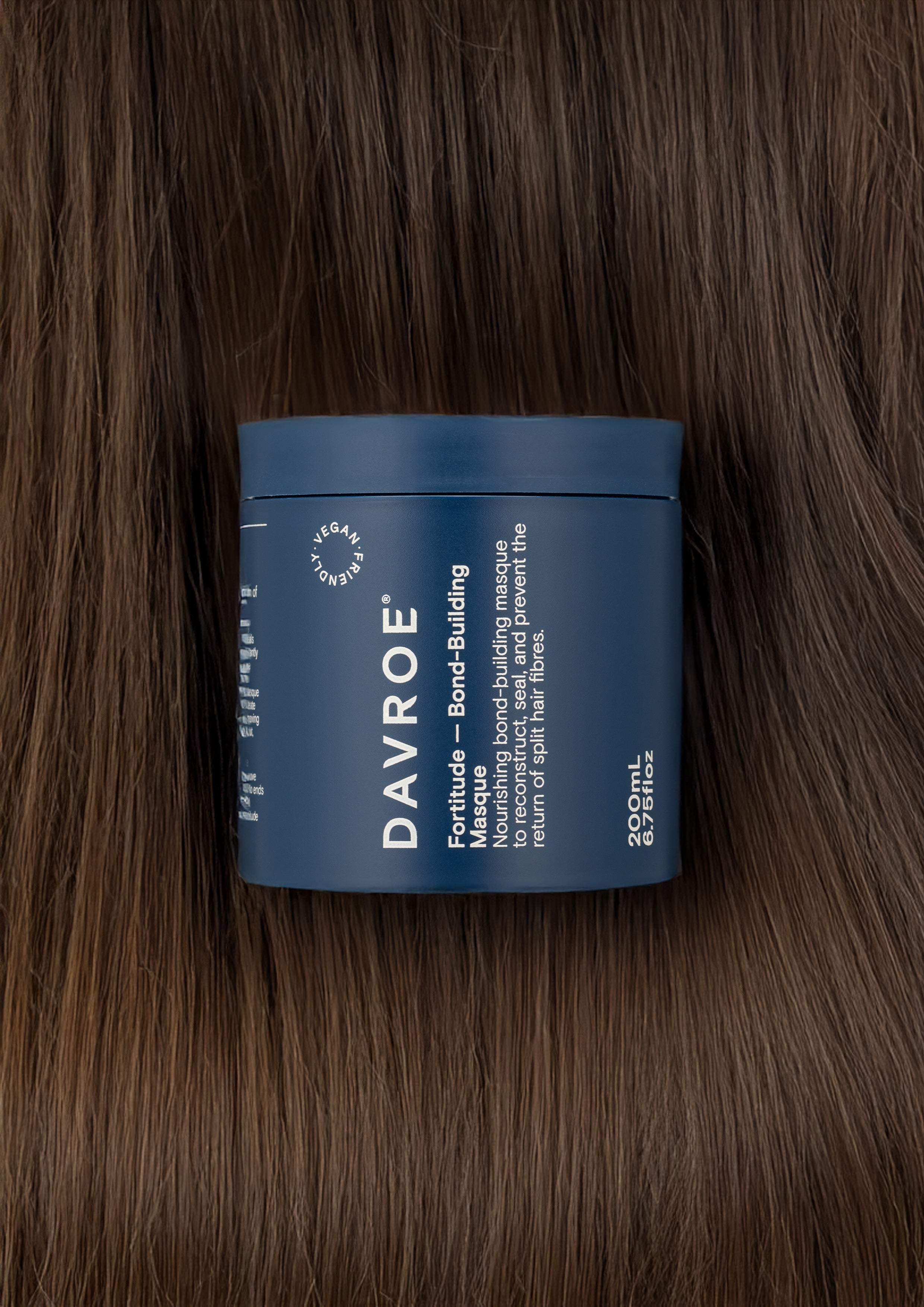
Prohair sells the tools and the formulas together, so you’re not piecing together a routine from three different brands. If you’re building toward smooth, straight results, the Davroe Smooth Senses Shampoo pairs naturally with paddle brush prep, cutting frizz before you even pick up a brush. If volume is the goal, the Davroe Volume Senses Shampoo sets a lighter base that holds a round brush shape longer. For extension wearers working out safe heat and brushing habits, the Minx Magic Weft hair extension care guide is worth a read before you style.
Browse the full salon-grade haircare range and check out today, with free shipping on orders over $100.
Sources
This guide draws on dermatology-backed hair care guidance, brush-testing reviews, and trade technique articles covering barrel diameter, bristle composition, and blow-dry sequencing.
- American Academy of Dermatology – Hair care basics
- The 14 best hair brushes of 2026, tested and reviewed – InStyle
- The ultimate guide to the different types of hairbrush – Kent Brushes
- Round Brush vs Paddle Brush for Blow Drying: A Deeper Study in Tension, Shape, and Finish – Bass Brushes
FAQ
Is a paddle brush or round brush better?
Neither is universally better. A paddle brush is better for daily detangling and smoothing, while a round brush is better for adding volume, curl, or shape during a blow-dry.
What type of brush is healthiest for hair?
A brush with bristles matched to your hair’s condition, boar or mixed bristles for fine or damaged hair, nylon for coarse or thick hair, causes the least mechanical stress, and gentle brushing technique matters as much as the brush type itself.
Which hair brush is the least damaging?
A paddle brush with soft, well-spaced bristles tends to cause the least damage for everyday detangling, provided you brush from the ends up rather than forcing through knots from the roots.
Are paddle brushes good for your hair?
Yes, for smoothing and detangling. A paddle brush distributes scalp oils, reduces frizz, and works on wet or dry hair, though it can’t add volume or curl the way a round brush can.
When should I use a paddle brush versus a round brush?
Use a paddle brush before styling to detangle and smooth, and switch to a round brush once hair is 70 to 80% dry if you want to shape, curl, or add volume with a blow-dryer.