
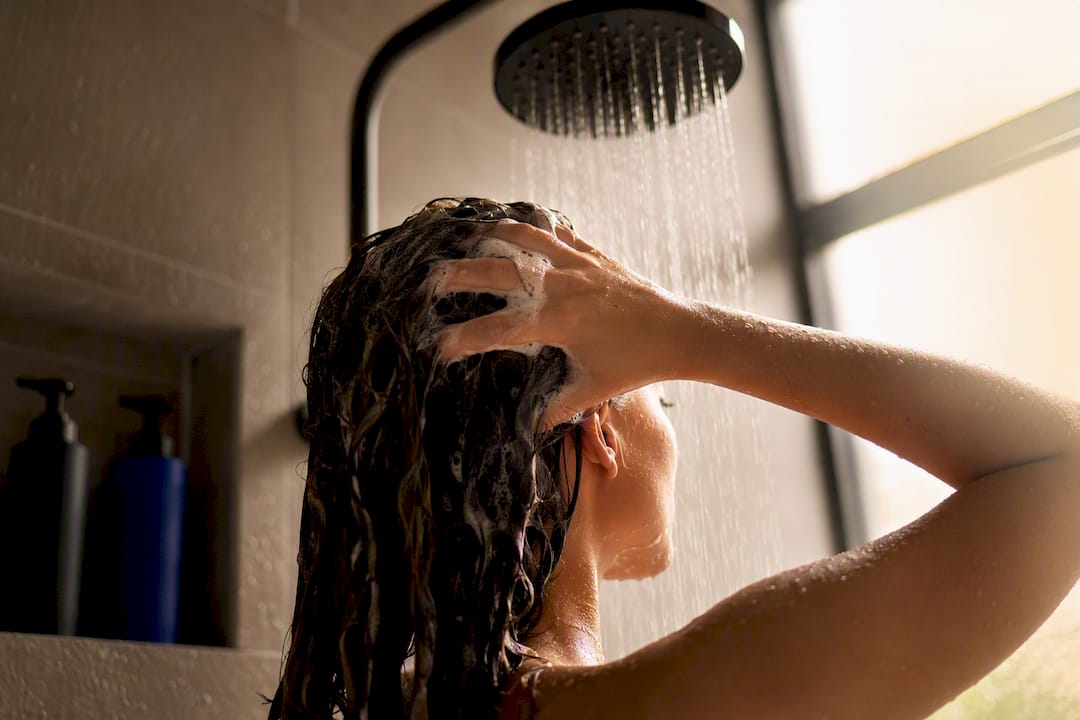
Yes, double shampooing works, but only when your hair genuinely needs it. Wash once, and if the shampoo turns thin and watery instead of foaming up, that is your cue. A second wash usually lathers richer because the first pass has already broken down the oil, product and mineral buildup that was stopping the shampoo from doing its job.
- Do it when: hair feels weighed down, you use a lot of styling product, or you’ve been swimming or sweating heavily.
- Skip it if: you wash daily, have dry or chemically fragile hair, or a sensitive scalp, as double shampooing may cause dryness or irritation.
- The test: thin lather on wash one, richer lather on wash two, means your hair needed the second pass.
Quick fact: dermatologists note double shampooing removes oil and buildup effectively, but overdoing it can dry out hair and scalp if used as a daily habit rather than an occasional reset.
Key Takeaways
A double cleansing routine for hair works best as a targeted response to buildup, not a daily habit, and it depends on matching the right shampoo to each pass.
| Point | Details |
|---|---|
| Use the lather test | Thin foam on the first wash signals buildup; a richer second lather means the job’s done. |
| Match your hair type | Oily scalps, heavy product users and swimmers benefit most; daily washers and dry hair types should skip it. |
| Choose two different shampoos | Clarify first with a product like ProHair Clarify Deep Cleansing Shampoo, then follow with a gentle formula like KOBO Scalp Balance Shampoo. |
| Condition ends only | Keep conditioner off the scalp to avoid weighing hair down or double-conditioning. |
| Watch your frequency | Weekly suits oily or heavy-buildup hair; stretch to every one to two weeks for normal wash routines, and buy salon-grade formulas from Prohair to fit each pass. |
Table of Contents
- Who benefits from a double cleansing routine for hair?
- When should you double shampoo, and when should you skip it?
- How to double shampoo step by step at home
- Clarifying vs gentle shampoo: choosing products for each pass
- What mistakes ruin a double cleansing routine?
- Why the “wash twice, every time” advice misses the point
- Where to buy the products for a salon-grade double shampoo
- Sources
- FAQ
Who benefits from a double cleansing routine for hair?
Not every head of hair needs this. The routine earns its place with specific hair and scalp profiles, not as a blanket rule for everyone standing in the shower.
You’ll get the most out of it if you fall into one of these groups:
- Oily scalps that tend to feel greasy between washes.
- Heavy product users relying on dry shampoo, mousse, gel or hairspray most days.
- Swimmers and gym regulars dealing with chlorine, salt or sweat buildup.
- Infrequent washers who allow several days between washes and notice visible residue.
Less suitable candidates include daily washers, people with very dry or chemically treated hair, and some curly or afro-textured hair types where natural oils are precious, not problematic. If you manage dandruff or seborrhoeic dermatitis, a targeted medicated shampoo on wash day can benefit from a two-pass approach when used as directed, rather than routinely doubling up.
When should you double shampoo, and when should you skip it?
The foam test is your best real-time guide. Cleansing molecules in shampoo bind to oil and residue first. When there’s a lot of buildup sitting on your scalp, those molecules get used up fast, leaving a thin, unsatisfying lather. Wash again and you’ll usually see a fuller, bubblier result, because there’s less residue left to fight through.
Certain activities make double shampooing worth planning for in advance:
- Chlorine or saltwater exposure from pools or the ocean.
- Heavy styling residue from gels, waxes or setting sprays.
- Dry shampoo buildup that has accumulated over time.
Skip it if you’re washing daily, if your hair is colour treated and already prone to fading, or if your scalp reacts to friction and heat with irritation. Over-washing strips natural oils faster than most people realise, and that applies just as much to a fragile, dry scalp as it does to colour-treated strands.
Pro Tip: Run your fingers through wet hair before you even reach for shampoo. If it feels coated or slightly gritty, that’s buildup talking, and it’s a strong sign the second wash is worth the extra two minutes.
How to double shampoo step by step at home
A salon-grade double shampoo isn’t complicated, but the sequence matters. Get the order and technique right and you’ll notice the difference in how your hair feels by the time you step out of the shower.
- Wet hair thoroughly. Warm, not hot, water opens the cuticle and helps shampoo distribute evenly. Use a coin-sized amount of product for the first pass, more if you have thick or long hair.
- First wash, scalp focused. Apply directly to the scalp and use your fingertips in small rotary-friction circles, the same scalp massage technique recommended for breaking down oil and product without dragging on wet lengths. This pass is about lifting buildup, not styling the hair. Rinse thoroughly until the water runs clear.
- Second wash, gentler and richer. Switch to a treatment or hydrating shampoo. Reapply focused on the scalp again. You should notice a fuller, creamier lather this time, a sign the second cleanse is doing real work instead of fighting through residue. If the product instructions suggest a short contact time, leave it on for that window before rinsing.
- Condition mid-lengths and ends only. Skip the scalp here. Applying conditioner to roots can weigh hair down and leave it looking flat within hours.
- Finish smart. A cool water rinse helps seal the cuticle and protect colour vibrancy. Blot, don’t rub, with your towel, and detangle gently with a wide-tooth comb while hair is still damp.
Pro Tip: If you’re colour treated, keep the second wash’s contact time short and always finish on cool water. Heat and prolonged lathering are two of the fastest ways to fade fresh colour.
Clarifying vs gentle shampoo: choosing products for each pass
Your first and second washes shouldn’t come from the same bottle. Each pass has a different job, and using the wrong formula in the wrong spot is where most people go wrong.
For the first pass, a clarifying or chelating shampoo earns its place, especially if you’re dealing with hard water, chlorine or heavy styling buildup. These formulas are built to strip mineral deposits that ordinary shampoo can’t touch, which matters if you swim regularly or live somewhere with mineral-heavy tap water.
- First pass: a clarifying formula, like ProHair Clarify Deep Cleansing Shampoo, to lift oil, product and mineral residue.
- Second pass: a gentle, pH-balanced or colour-safe shampoo, such as KOBO Scalp Balance Shampoo, to cleanse without stripping moisture.
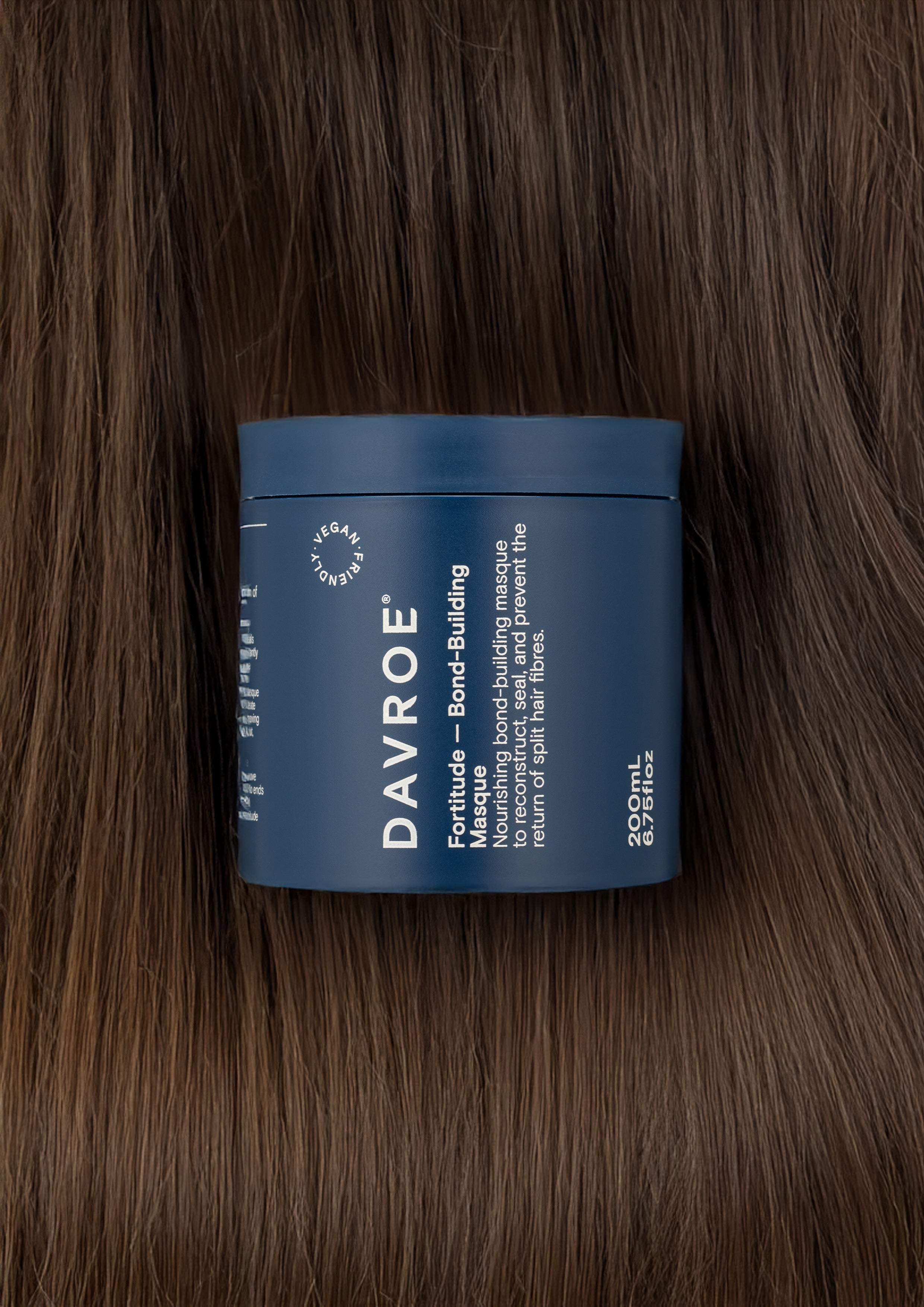
- Conditioning step: a rinse like Davroe CURLiCUE Deep Conditioning Rinse on mid-lengths and ends to lock moisture back in.
If your hair is colour treated, save the clarifying pass for occasional deep cleans rather than every wash day. Chelating shampoos are effective at removing buildup, but overusing them accelerates colour fade. Pair one clarifying wash a fortnight with gentler, sulphate-free formulas the rest of the time and you’ll protect your investment in salon colour without sacrificing cleanliness.
What mistakes ruin a double cleansing routine?
Most damage from this routine comes down to a handful of avoidable habits, not the method itself.
- Double-conditioning. Conditioner belongs on mid-lengths and ends, never repeated at the roots.
- Washing too often. Oily or heavy-buildup hair suits weekly double shampooing; normal or infrequent washers should stretch it to every one to two weeks. Daily double shampooing is rarely justified and often the culprit behind dry, frizzy strands.
- Rubbing too hard. Aggressive scrubbing on wet lengths causes friction damage and breakage over time.
- Using too much product or water that’s too hot. Both strip more moisture than necessary.
If you’ve overdone it and hair feels dry or brittle, dial back frequency, switch to sulphate-free formulas, and bring in a hydrating mask for a week or two while things recover.
Why the “wash twice, every time” advice misses the point
Most articles on this topic treat double shampooing as a universal upgrade, something everyone should be doing every wash day for cleaner, healthier hair. That advice is incomplete, and honestly, a bit lazy. The real skill isn’t washing twice. It’s knowing when not to.
The lather test is underrated precisely because it’s so simple. People want a rulebook (wash twice on Mondays, once on Thursdays) when the honest answer is to let your hair tell you. Thin foam means wash again. Rich foam on the first pass means you’re done, and reaching for a second shampoo anyway is how dry, colour-treated or fine hair ends up looking worse, not better.
What most guides also skip is product pairing. Grabbing the same bottle twice defeats the purpose. A clarifying formula does one job, a gentle or treatment shampoo does another, and using them in the right order is what actually separates a salon-grade result from a stripped, frizzy one.
Where to buy the products for a salon-grade double shampoo
Getting this routine right depends on having the right formulas on hand for each pass, and that’s exactly where Prohair fits in. Rather than guessing which supermarket shampoo might work as a clarifier, you can go straight to salon-grade formulas built for the job.
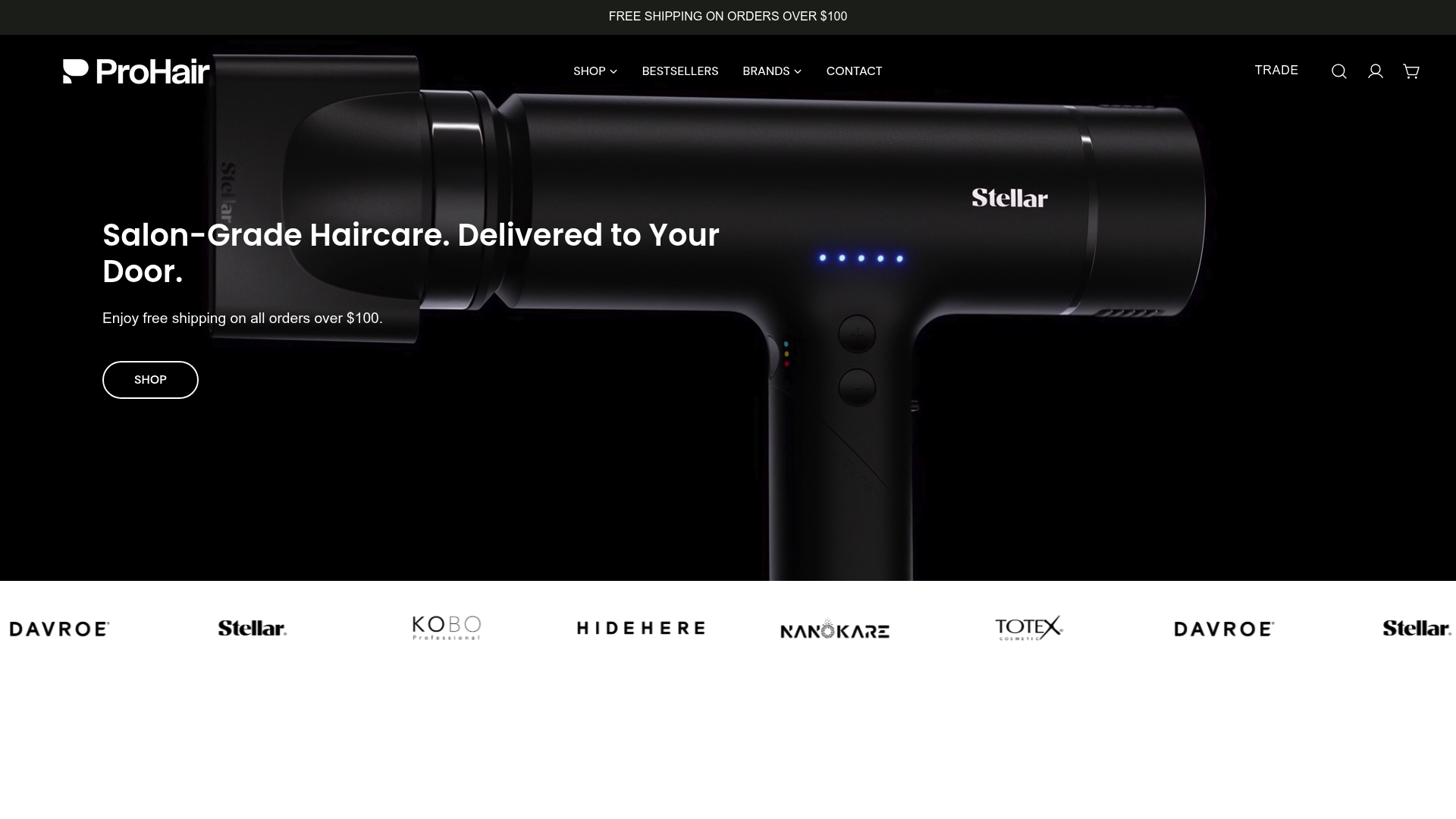
For the first pass, ProHair Clarify Deep Cleansing Shampoo lifts oil, product buildup and mineral deposits without guesswork. For the second pass, KOBO Scalp Balance Shampoo or a KOBO peptide formula cleanses gently while respecting your scalp’s natural pH. Follow with Davroe CURLiCUE Deep Conditioning Rinse on mid-lengths and ends to lock in moisture. These aren’t supermarket blends reformulated for shelf appeal. They’re the same salon-grade formulas trusted by over 500 salon accounts, built with stable, professional-strength ingredients and colour-safe pH balancing.
Order from Prohair’s full range and you’ll get free shipping on orders over $100, with everything delivered straight to your door so your next wash day is sorted before you even step in the shower.
Sources
- Do you need to double shampoo? How to tell if your hair is clean
- Should You Shampoo Your Hair Twice? Experts Weigh In
- Should You Double Shampoo? Here’s What Experts Say
- How to shampoo
FAQ
How often should you double shampoo?
Oily scalps or heavy product users often benefit from double shampooing on wash day once a week, while normal or infrequent washers may space it out. Daily double shampooing often strips too much moisture.
Does double shampooing fade hair colour faster?
It can, if you use a clarifying shampoo for both passes or double shampoo too often. Reserve clarifying formulas for the first wash only, follow with a colour-safe second shampoo like a sulphate-free option, and finish with a cool rinse to help protect colour.
What’s the difference between clarifying and double shampooing?
Clarifying refers to the type of shampoo used (a deep-cleaning formula for buildup), while double shampooing refers to washing twice in one session. You typically pair a clarifying shampoo for the first wash with a gentler formula for the second.
Is double cleansing necessary for everyone?
No. It suits oily scalps, heavy product users, swimmers and infrequent washers, but daily washers and those with dry, fragile or colour-treated hair generally don’t need it and may find it drying.
Can double shampooing help with dandruff or a sensitive scalp?
A targeted medicated shampoo used on wash day can benefit from a two-pass approach, but people with sensitive scalps should generally avoid routine double shampooing, since extra washing and friction can irritate the scalp further.