
To keep red hair vibrant, wait 48 hours before washing, switch to a sulphate-free colour-locking shampoo, and protect your hair from sun and heat. These three moves prevent the bulk of early dye loss, and pairing them with a weekly colour-depositing mask or gloss keeps auburn and copper tones looking fresh for weeks longer, no matter which salon-grade products you reach for.
TL;DR:
- Most artificial dye loss occurs during the first wash, and red pigments wash out faster than other shades, especially from porous or bleached hair.
- Ask your colorist about the alkalizer in permanent dye, since testing found ammonia formulas held color better than MEA formulas.
- Wash with cool or lukewarm water, keep shampoo near the scalp, and use a conditioner with film forming polymers or silicones along the lengths.
- Choose leave in products with UV filters, wet hair with fresh water before swimming, and rinse promptly afterward to limit sun and pool related fading.
- Use a color depositing mask weekly and a gloss or semi permanent dye monthly; patchy, brassy, or brittle hair calls for professional correction.
Table of Contents
- Why red fades faster than other hair colours
- Before the first wash: the 48-hour rule
- The wash-day routine that actually slows fade
- Between-wash habits that protect your colour
- Sun and swim protection against fading
- Refreshing faded red without a salon visit
- What the research and colourists agree on
- How diet and nutrition affect colour retention
- Salon treatments that extend red colour longevity
- What maintaining red hair really takes
- A simple ProHair routine to protect your colour
- FAQ
- Sources
Why red fades faster than other hair colours
Red pigment molecules are larger than the molecules used in brown or blonde dyes, which means they sit closer to the hair’s cuticle surface rather than penetrating deep into the cortex. That shallow position makes them easier to wash out, and research using an accelerated 48-wash method found that most artificial colour loss happens during the very first wash after dyeing, with red pigments desorbing faster than other shades.
Hair condition matters just as much as chemistry. Bleached or already porous hair has a rougher, more open cuticle, so colour molecules slip out more easily with every wash. The same study found that the alkaliser used in permanent dye formulations affects how deep colour sits and how long it lasts: ammonia-based formulas tend to hold colour better than MEA-based ones, so it’s worth asking your colourist which one they’re using if longevity matters to you.
UV light, heat styling, and harsh surfactants all accelerate the breakdown of dye molecules on the hair shaft, which is why the routine below targets each of these separately rather than relying on one product to do everything.

Before the first wash: the 48-hour rule
Waiting at least 48 hours before your first wash gives the cuticle time to reseal and lets the oxidative colouring process finish stabilising inside the hair shaft. Washing too soon interrupts that process and strips out pigment before it’s had a chance to set properly.
During this window:
- Skip heat styling tools entirely, including straighteners and curling wands.
- Avoid heavy sweating or workouts that leave hair damp for long periods.
- Stay out of pools and the ocean until the 48 hours are up.
- Let hair air-dry where possible, and if you must towel-dry, pat gently rather than rubbing.
Our guide to the 48 to 72 hour rule walks through salon-recommended aftercare in more detail if you want the full routine.
The wash-day routine that actually slows fade
Once you’re past the 48-hour mark, how you wash matters more than how often. Follow these steps every time you shampoo:
- Choose a sulphate-free, colour-safe shampoo and look for language like “colour lock” or UV protection on the label.
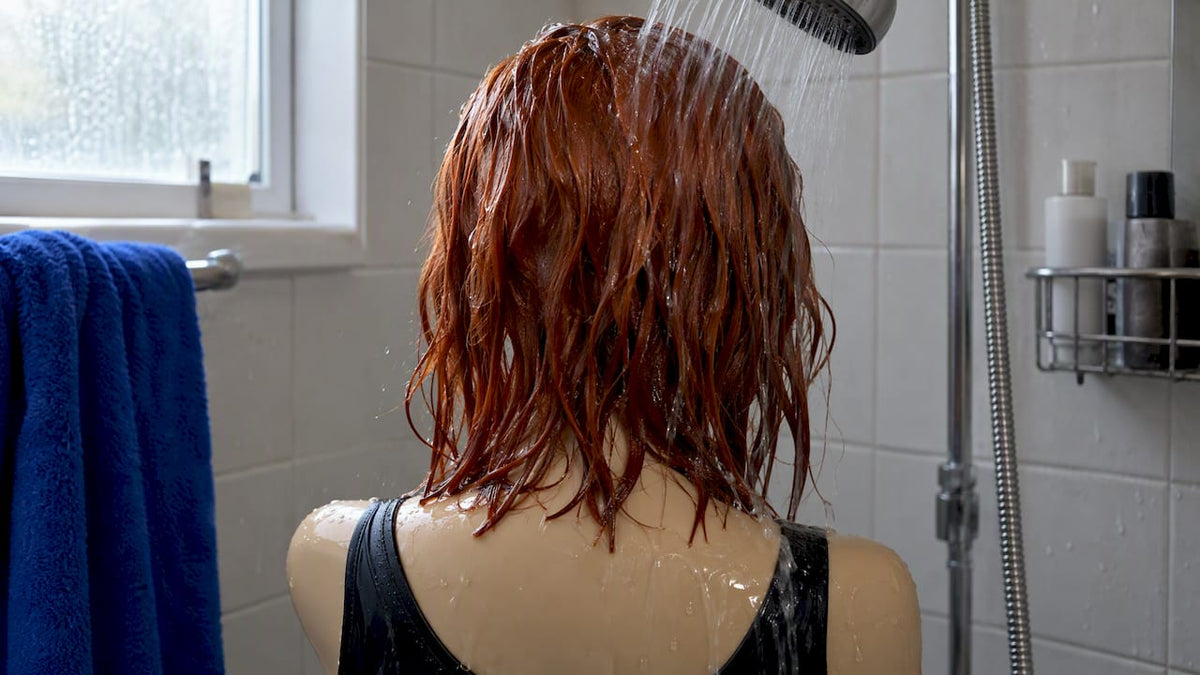
- Wet hair with lukewarm or cool water rather than hot, since heat opens the cuticle and encourages dye to escape.
- Keep shampoo on your scalp and roots, working suds down the lengths rather than scrubbing colour-treated ends.
- Rinse quickly, then follow with a conditioner that contains film-forming polymers or silicones to help seal the cuticle.
- Once weekly, swap your regular conditioner for a deep mask with the same sealing ingredients.
Our KOBO Color Locking Shampoo and matching KOBO Color Locking Conditioner are built around this exact brief: sulphate-free cleansing paired with a sealing conditioner.
If you want to stretch days between washes, a co-wash (conditioner-only wash) or a dry shampoo can both work, though co-washing suits oilier scalps better and dry shampoo is the gentler option for fine or already-dry red hair.
Pro Tip: Apply conditioner before shampoo on second-day hair, called “reverse washing,” to coat strands with a protective layer before cleansing touches your colour.
Between-wash habits that protect your colour
The days between washes are where small habits add up. A few worth building into your week:
- Apply a dedicated heat protectant spray before every session with straighteners, curling tools or a blow-dryer.
- Keep heat tools on the lower end of their range when your style allows it, since high heat accelerates dye breakdown at the cuticle.
- Use a colour-depositing conditioner or tinted leave-in once or twice a week to top up vibrancy between full washes.
- Reach for dry shampoo at the roots instead of washing on a whim, which buys you extra days before colour starts fading again.
- Swap brushing for finger-combing or a wide-tooth comb on dry strands to reduce friction and cuticle wear.
None of these replace a good wash-day routine, but together they slow the gradual fade that happens even when you’re doing everything else right.
Sun and swim protection against fading
UV exposure is one of the biggest contributors to colour loss, and research on photofading shows that formulations with UVA absorbers can measurably reduce how much colour fades in sunlight. A broader review of artificial hair colour fading found that photofiltering ingredients combined with film-forming polymers in leave-ins and conditioners create a sealing effect that slows how fast dye diffuses out of the hair, an approach explained further by Apiceuticals in their work on antioxidant-based UV protection.
Before you swim:
- Wet hair thoroughly with fresh water first, so it soaks up less pool or ocean water.
- Apply a leave-in conditioner or a light oil to create a barrier.
- Wear a swim cap if you have one handy, especially for chlorinated pools.
Afterwards, rinse with fresh water as soon as possible and save clarifying shampoo for when you genuinely need it, since over-clarifying strips colour you’re trying to protect. Our beach hair protection guide covers five salon-grade essentials worth packing for a day in the sun.
Refreshing faded red without a salon visit
When colour starts looking dull between appointments, you’ve got a few at-home options depending on how much pigment you’ve lost.
- Colour-depositing conditioners add a light tint with each wash and fade out gradually, making them the gentlest option for weekly upkeep.
- Glosses sit on the hair’s surface, adding shine and a subtle colour boost that typically lasts a few weeks.
- Semi-permanent dyes penetrate slightly deeper than a gloss and last longer, usually several weeks, but need a patch test first if you haven’t used the formula before.
A simple schedule works well for most people: a colour-depositing mask weekly, and a gloss or semi-permanent refresh once a month. If fading looks patchy, brassy, or the hair itself feels dry and brittle rather than just pale, that’s usually a sign of structural damage or an uneven base colour that needs a professional correction rather than another at-home fix.
What the research and colourists agree on
Most artificial colour loss happens during the first wash after dyeing, and red pigments desorb faster than other tones across repeated washes.
The accelerated 48-wash study backs up why the 48-hour rule matters so much: give the cuticle time to close before that first wash does the most damage it’s going to do. Photofading research reinforces the sun protection advice, showing UV exposure as a major driver of colour loss that photofilters and film-forming ingredients can meaningfully reduce. Together, these findings explain why cool water, sulphate-free cleansers, and sealing conditioners aren’t just salon folklore. They’re addressing the two biggest measurable causes of red fade: wash-related desorption and UV breakdown.
How diet and nutrition affect colour retention
What you eat doesn’t change the dye molecules sitting in your hair, but it does affect the condition of the hair shaft those molecules are clinging to. Hair that’s dry, brittle or prone to breakage has a rougher cuticle surface, and a rougher cuticle gives dye more pathways to escape with every wash.
Protein is worth paying attention to first, since hair is largely made of keratin and a diet low in protein can leave strands weaker and more porous over time. Omega-3 fatty acids, found in foods like salmon, walnuts and flaxseed, support scalp health and can help keep strands supple rather than dry and prone to micro-damage. Biotin and other B vitamins are often marketed specifically for hair health, though their main benefit is supporting the hair’s structural integrity rather than doing anything to the pigment itself.
Hydration plays a quieter role too. Dehydrated hair tends to be more porous, and porous hair loses colour faster, so drinking enough water alongside a diet that includes leafy greens, nuts and lean protein supports the kind of healthy, tightly-sealed cuticle that holds dye better. None of this replaces a proper wash-day routine or sun protection, but it’s a supporting factor that compounds with everything else you’re doing to protect your colour.
Salon treatments that extend red colour longevity
Between full recolouring appointments, a few professional services can meaningfully stretch how long your red stays vibrant. A gloss or glaze treatment is the most common option: your colourist applies a semi-permanent, often clear or lightly tinted, formula over your existing colour to boost shine and refresh tone. These typically last several weeks and are a lower-commitment way to revive colour that’s started looking flat without committing to a full dye job.
Toning treatments work similarly but target specific unwanted tones, correcting brassiness that can creep into red hair as it fades and shifts warmer than intended. Some salons also offer colour-sealing or pH-balancing treatments designed to close the cuticle after a colour service, which can improve how well the dye holds up to washing in the weeks that follow.
If you’re due for a full recolour but want to extend the gap, ask your colourist about a root touch-up combined with a gloss over the mid-lengths and ends, rather than a full reapplication. This refreshes the areas that show the most visible fade while saving the more intensive process for when you actually need it. Booking these treatments on a rough six to eight week cycle, alongside the at-home routine above, tends to keep red hair looking consistently vibrant rather than swinging between vivid and washed-out.

What maintaining red hair really takes
Red is genuinely higher-maintenance than most other colours, and no routine eliminates fading entirely, it only slows it. If you’re short on time, prioritise the 48-hour wait and a colour-safe shampoo first. Everything else is a bonus on top.
— Burgs
A simple ProHair routine to protect your colour
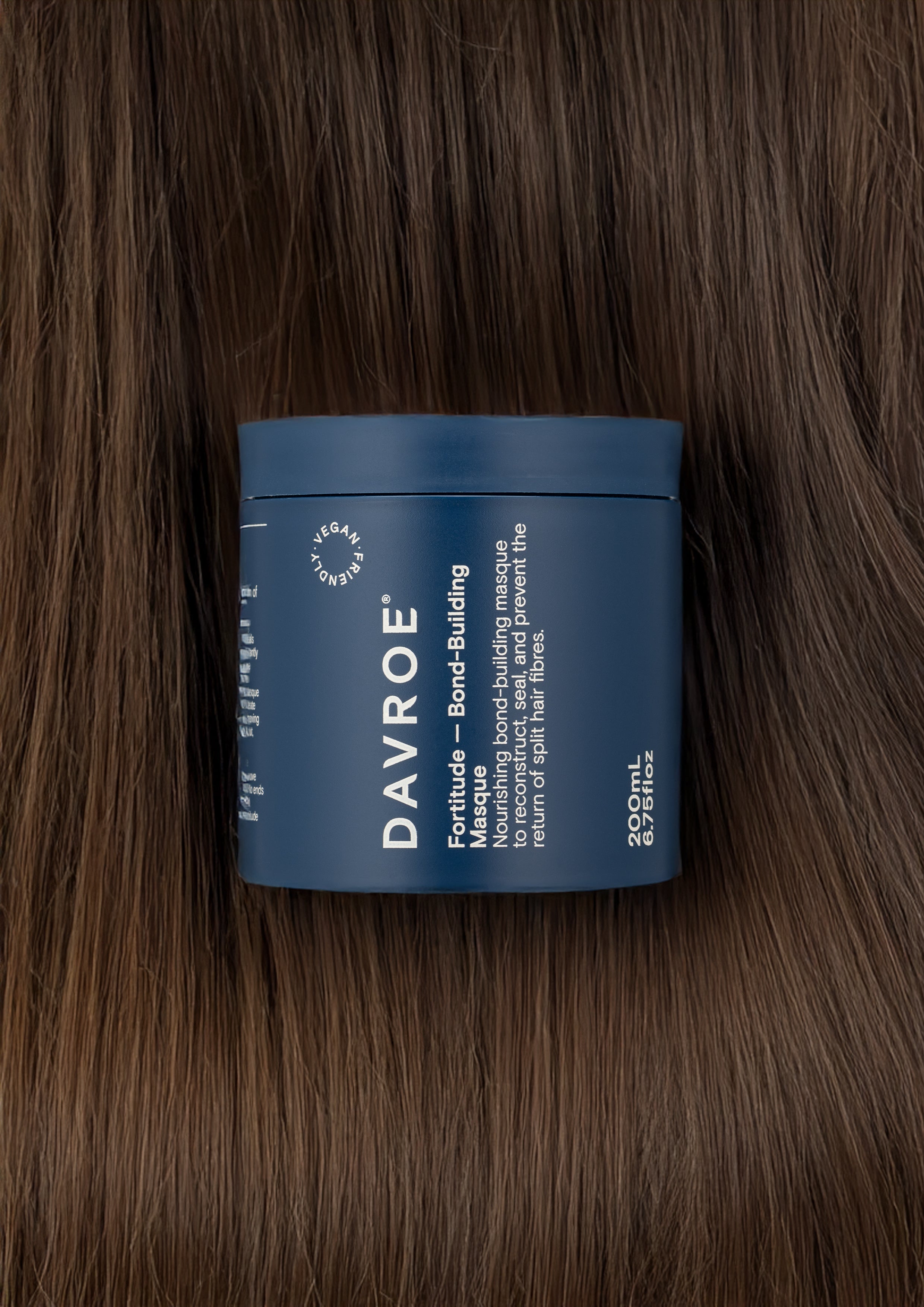
Salon-grade basics that match these recommendations can help, so you’re not left guessing which products to trust. Start with the KOBO Color Locking Shampoo and its matching conditioner for your everyday wash, and add the Davroe Chroma Sunset Copper Colour Treatment as your weekly colour-depositing boost.
Our full shampoo and conditioner range covers colour-safe options for every hair type, and our treatments collection has glosses and masks for whenever your red needs a lift between salon visits. Orders over $100 ship free, so it’s an easy way to stock your whole routine in one go. Browse the full range at ProHair and get everything sorted before your next wash day.
FAQ
Why is my red hair fading over time?
Red fades faster than most colours because its pigment molecules are larger and sit closer to the cuticle surface, making them easier to wash out. Most of that loss happens during your first wash after dyeing, with UV exposure and hot water accelerating the process further.
How do I make faded red hair more vibrant again?
A colour-depositing conditioner or mask used weekly can top up tone gradually, while a salon gloss or semi-permanent dye gives a stronger, longer-lasting boost. If fading looks patchy or brassy rather than just pale, a professional toning treatment usually fixes it faster than repeated at-home touch-ups.
How do I lock in red hair colour after dyeing?
Wait 48 hours before washing to let the cuticle reseal and the colour process stabilise, then switch to a sulphate-free, colour-locking shampoo and cool water for every wash afterwards. Sealing conditioners with film-forming polymers, like those recommended in photofading research, also help slow how fast pigment diffuses back out.
Which red hair dye lasts the longest?
Permanent dyes using ammonia as the alkaliser tend to penetrate deeper and resist washing out better than MEA-based permanent formulas, according to accelerated wash testing. Ask your colourist which formulation they’re using if long-lasting colour is your main priority, since darker or more red-reflective shades also tend to age into a pleasant auburn rather than looking washed out quickly.
Sources
- Analysis and quantification of the propensity of hair dyes to desorb from human hair fibre using an accelerated 48-wash method
- Prevention of fading of artificial hair colour — scientific review
- Photoprotection and hair colour fading (indexed study)